


Rod Blackhurst’s Dolly doesn’t take inspiration from modern-day slasher films. It isn’t meta, nor a subliminal critique of the horror genre. Instead, it rolls back the clock to the 1970s to capture the sweaty and wanton nature of The Texas Chain Saw Massacre and Halloween. It’s a time in which a masked maniac would chase victims around for no other reason beyond the fact they’re pure evil.
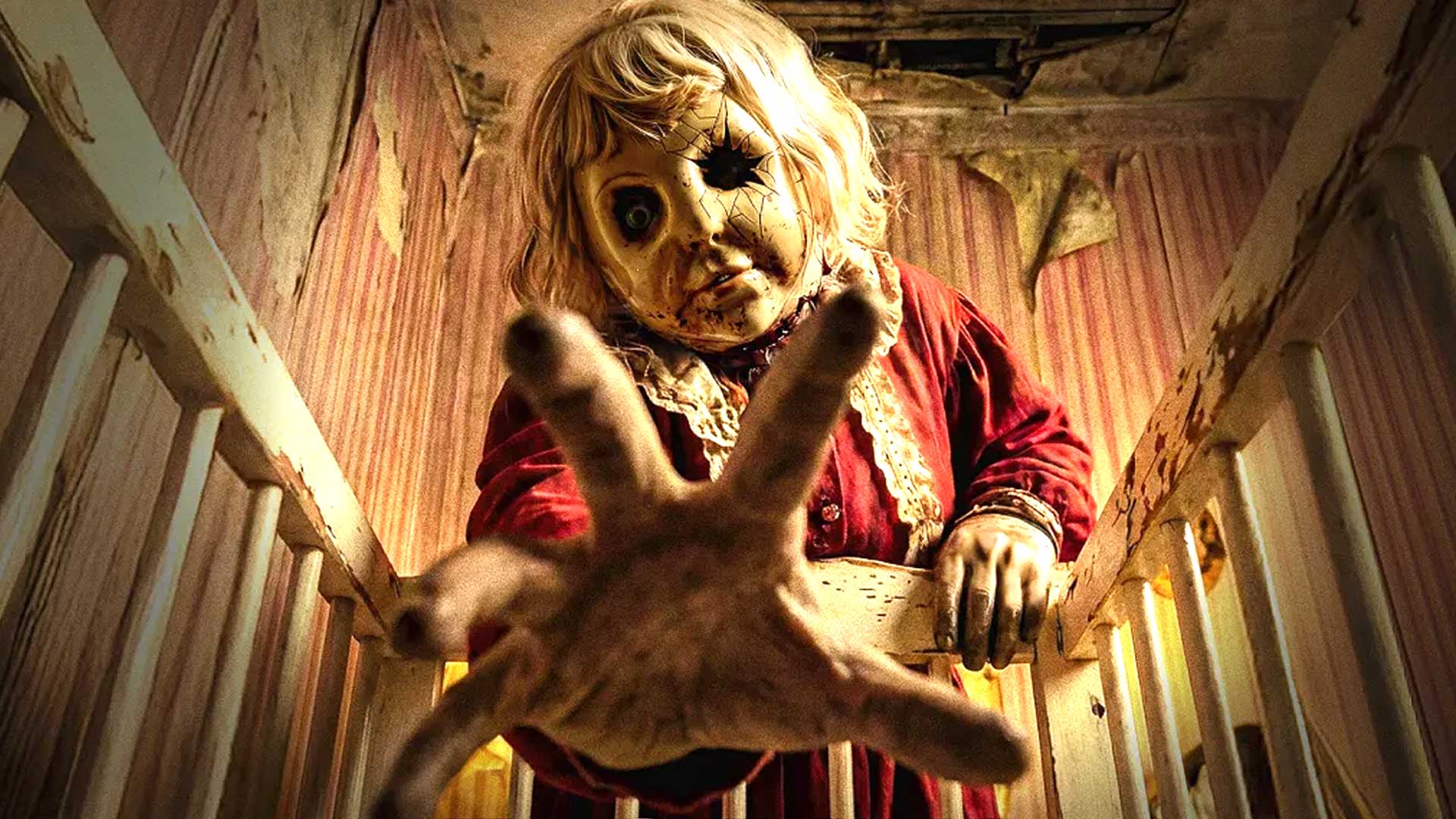
The monster here is a porcelain doll-masked figure known as Dolly, played by professional wrestler Max the Impaler who has appeared in Ring of Honor and NWA. Dolly loves dolls – and playing mommy, apparently – so it’s bad news for couple Chase (Seann William Scott) and Macy (Fabianne Therese) when they step into Dolly’s woods for a hike. Chase plans to pop the question to Macy, but he doesn’t even get the chance to get down on one knee because Dolly cuts their romantic trip short. The killer targets Macy in specific, kidnapping and taking her into a creepy dilapidated house where Dolly tries to raise her as a child.
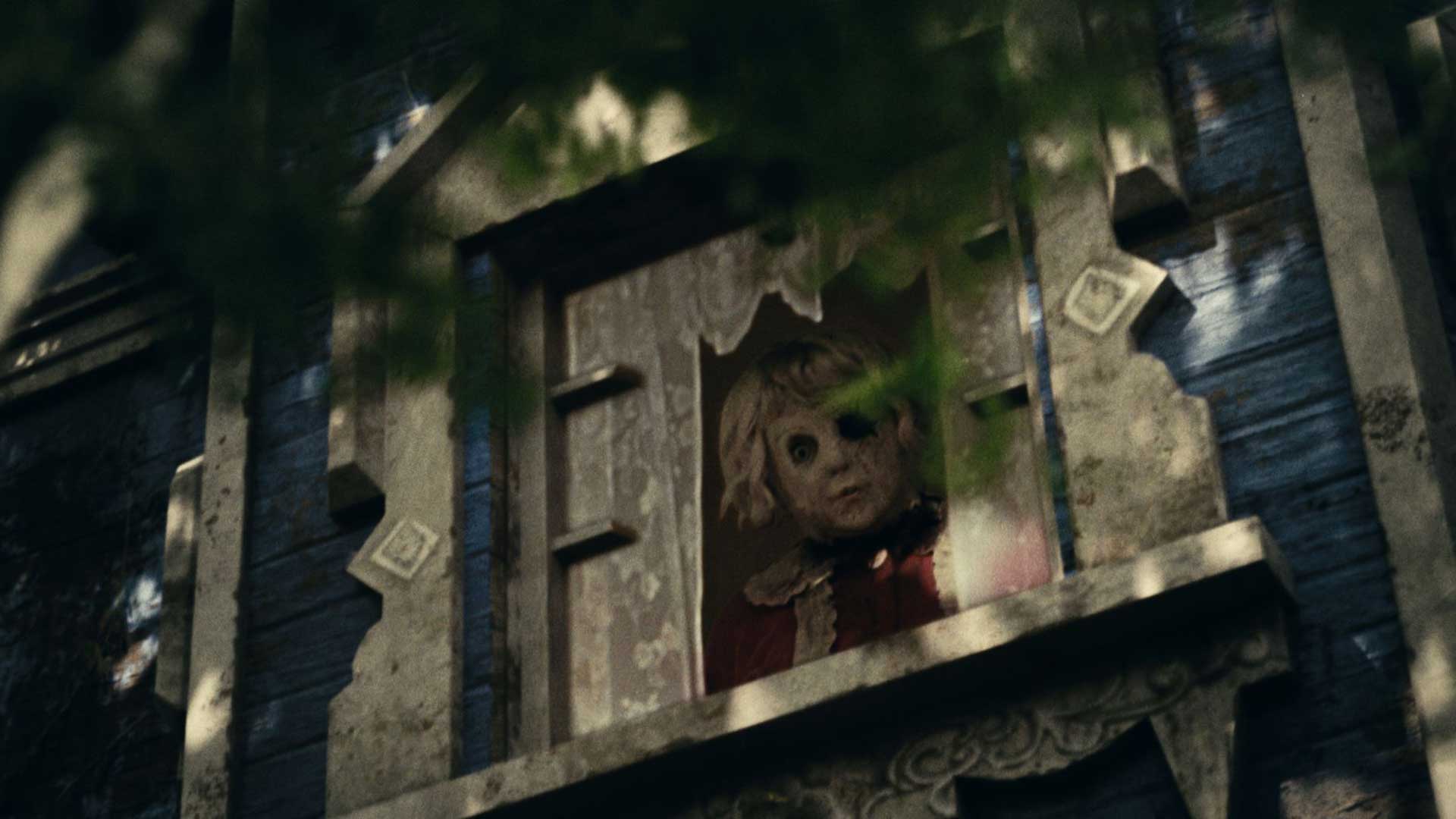
Does this sound weird right about now? Good. Because it is. Dolly doesn’t only produce some of the most gruesome practical effects-driven scenes in recent cinema history but also genuinely unsettling moments that make Zach Cregger’s Barbarian feel like a Disney movie by comparison. It’s brutal with a capital B, appealing to the gorehounds who love their movies bloody and cruel with an extra sprinkle of sicko on top.
Again, this is reminiscent of the original slashers, as Dolly falls into the same unpredictable category as someone like Leatherface. There’s no rhyme nor reason to how this killer behaves; one moment Dolly’s calm and trying to feed Macy, the next she’s flinging Macy across a room and beating her within an inch of her life. Dolly’s driven more by chaotic impulse and emotions than any clear-cut motivation.
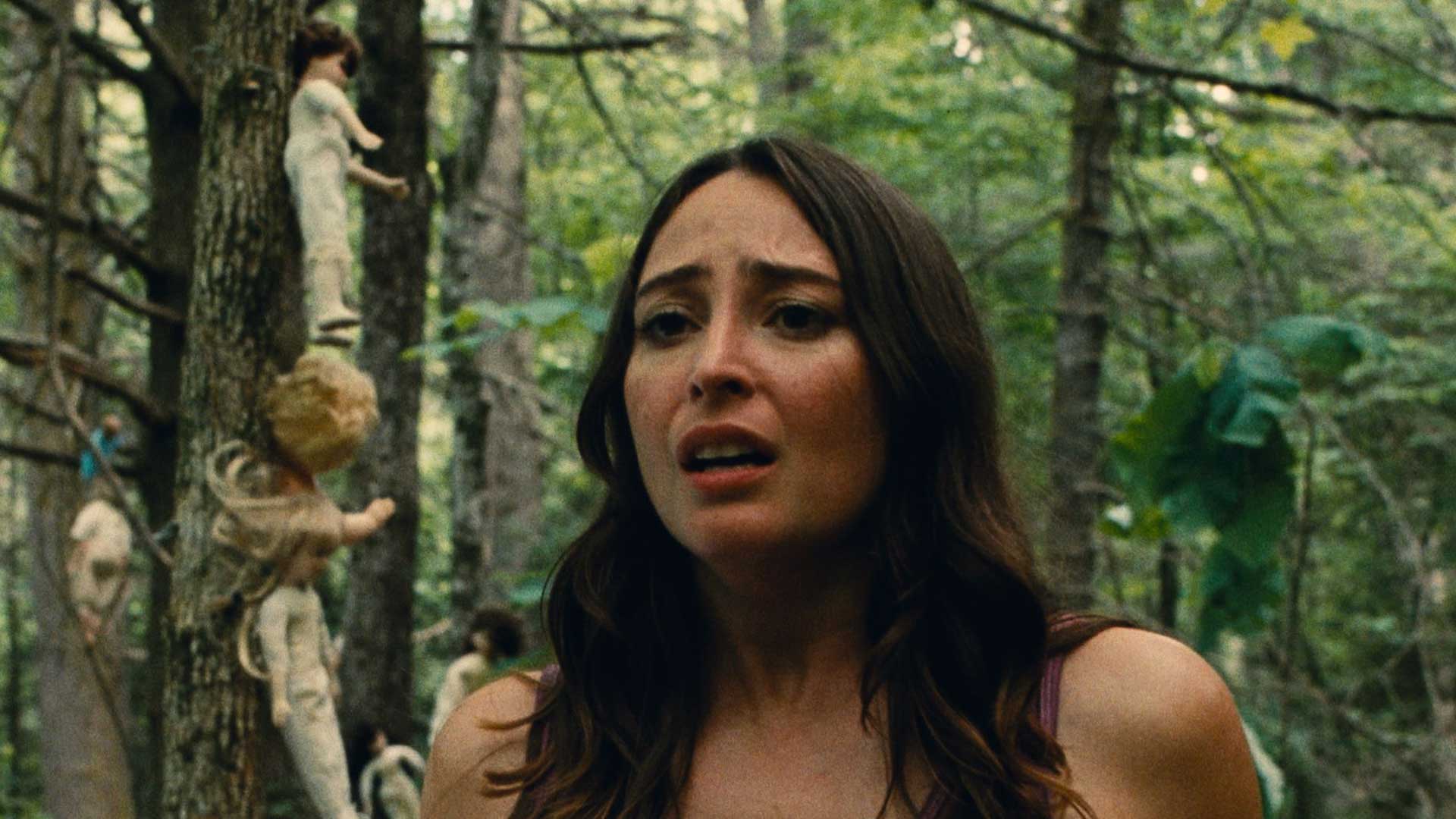
Storywise, there isn’t much here. It’s simply a case of the wrong place, wrong time for Chase and Macy. You do get the sense that Blackhurst deliberately held back in this department to generate more curiosity and demand for a potential sequel. Dolly remains an enigma, though there are a few narrative threads that could have been better fleshed out – pardon the pun. It’s obvious that she comes from a family who – like the Sawyers from The Texas Chain Saw Massacre – desperately needed therapy, so that could have been a good place to expand upon for plot material.
Having said that, there’s a charm to the claustrophobic containment of Dolly. It’s Dolly and Macy for the majority of the runtime in a horror version of Tom & Jerry, as Macy attempts to escape from the clutches of her captor. If someone were in this situation, they wouldn’t be concerned about finding out their assailant’s past or motivations; they would want to get the hell out of there and burn the house to the ground.
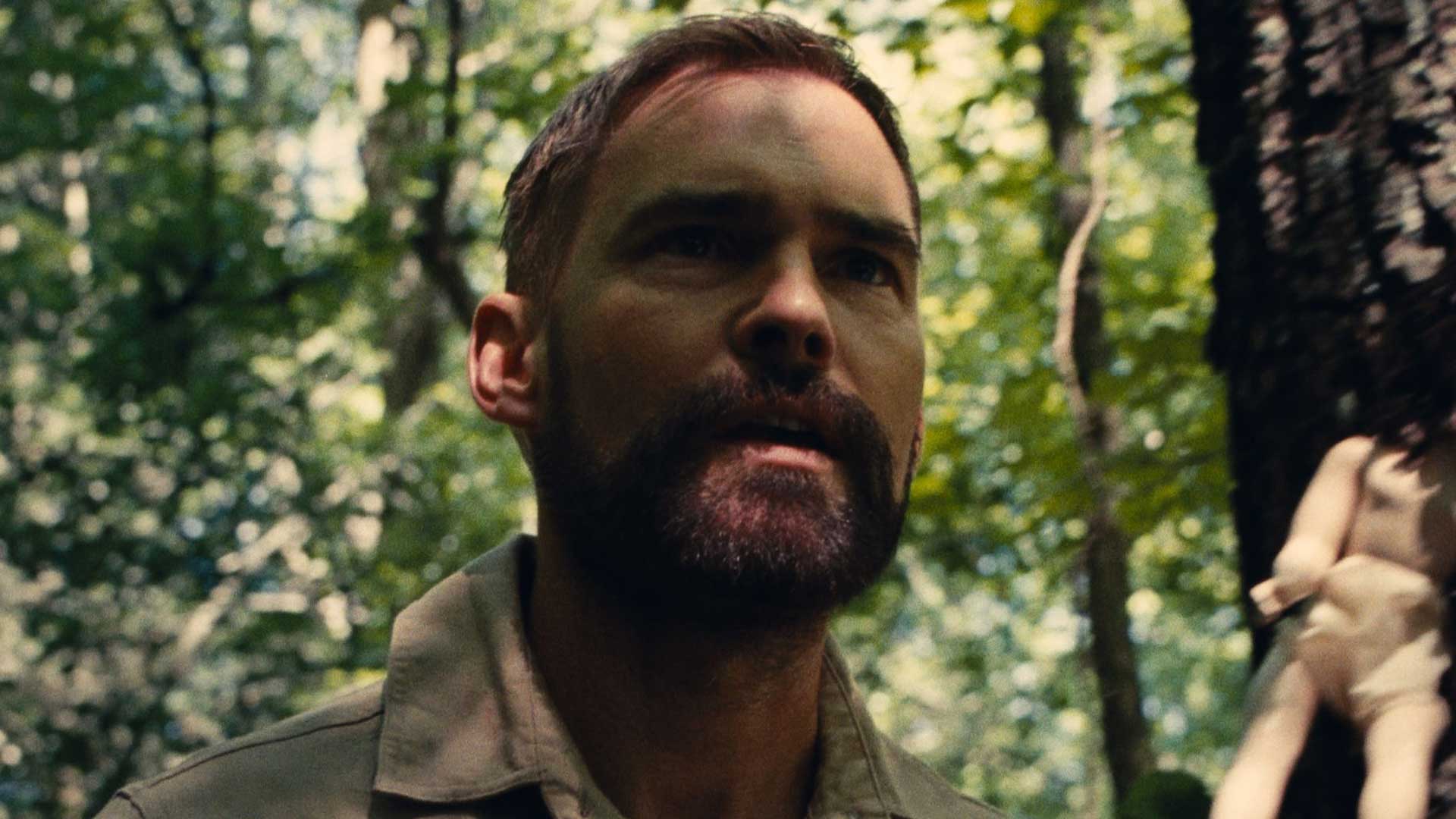
All in all, Dolly succeeds in its commitment to being a throwback film. While it’s set in modern times, the grainy and shaky cinematography, as well as the practical gore effects, bring a retro quality and attitude to the proceedings. This isn’t a polished feature film that’s been run through a focus group and had 20 studio execs pass notes on it. It’s a singular creative vision, and it comes across in how unapologetic it is in being a love letter to a bygone era of the slasher genre. Also, be prepared to kick the stuffing out of a porcelain doll the next time you see one.
RELATED: 20 Clever Horror Movies That Don’t Rely On Silly Jump Scares
The Review
Dolly
Dolly is a violent and gory slasher that will drop jaws – both figuratively and literally.
Review Breakdown
-
Verdict