
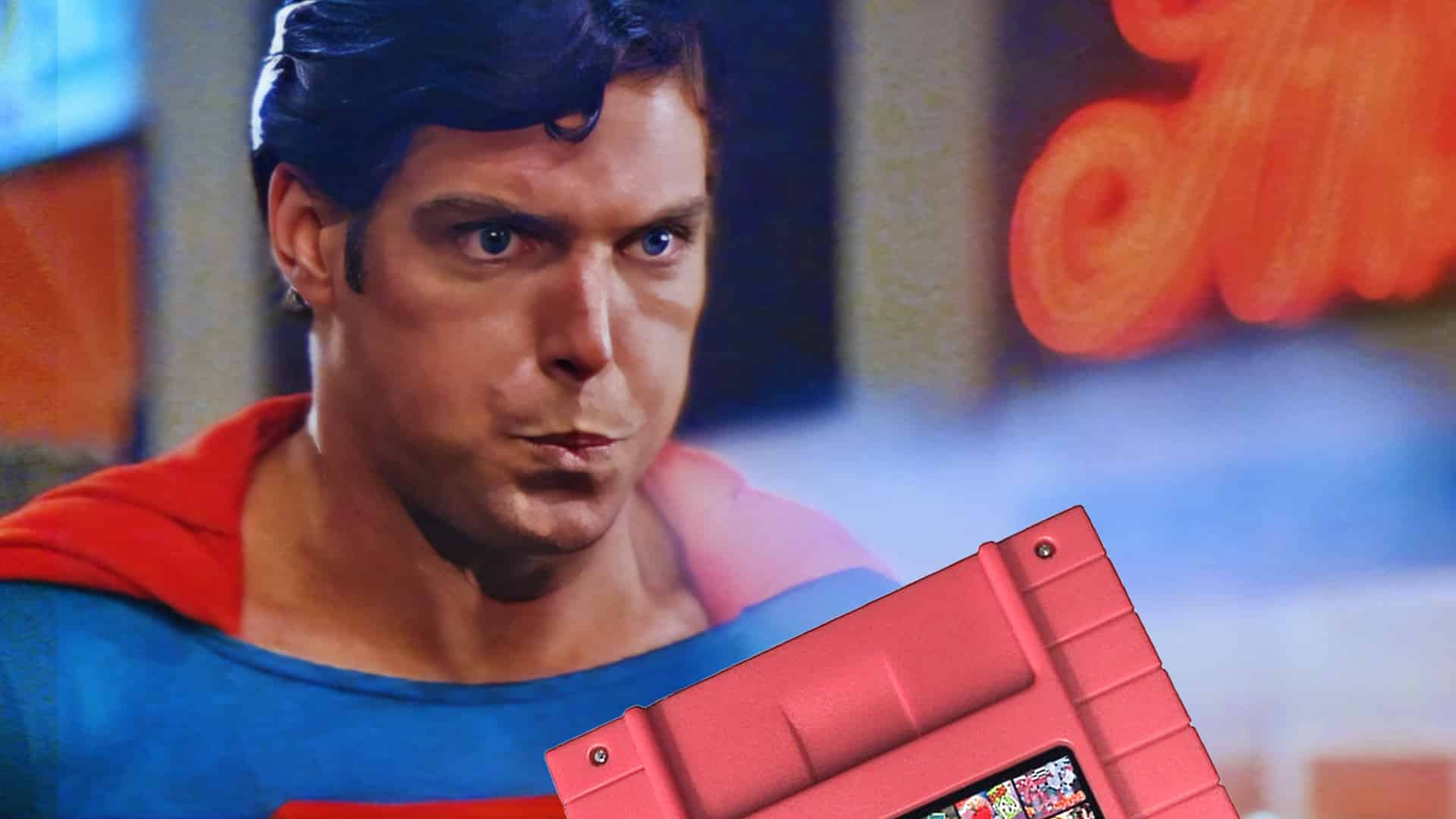


We have all been there. The game refuses to start, you pull the cartridge out, blow into it like you’re defusing a bomb, reinsert it, and suddenly Super Mario loads like nothing happened. Somehow, that desperate little ritual always seemed to do the trick. Well, according to PBS Digital Studios show It’s OK To Be Smart, it turns out the magical quick fix never actually did anything — go figure.
The moisture from your breath causes corrosion on the pin connectors, making it even harder for the game to start up next time. That ritual passed down by an older sibling or a cousin who seemed to know everything — it was slowly destroying your games.
Here is the part that stings a little more: the reason it appeared to work had nothing to do with your lungs. Removing the cartridge and reinserting it gave the game another chance to line up correctly with the connector. Your brain just credited the blowing, because that is what happened immediately before the game fired up. As Mental Floss writer Chris Higgins put it, “My money is on the blowing thing being a pure placebo, offering the user just another chance at getting a good connection.”
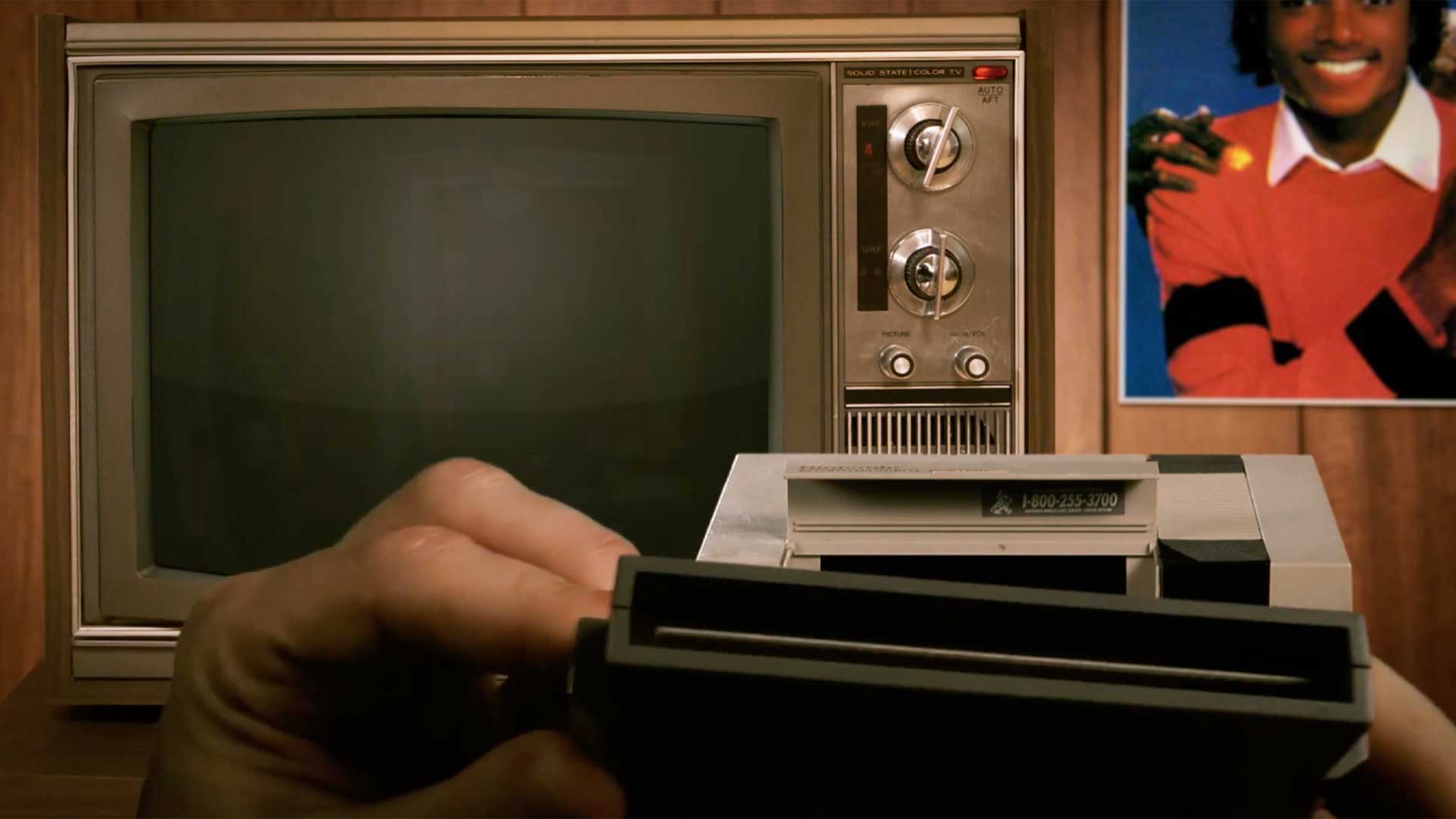
To understand why this became a universal habit, you have to go back to 1985 and the Nintendo Entertainment System, which, frankly, was kind of a disaster. Not the games — the hardware. To avoid being lumped in with Atari and Coleco, whose consoles had been buried under a pile of terrible games, Nintendo redesigned its Famicom for Western markets. The front-loading spring system that came with that redesign looked futuristic. It also did not work consistently.
The NES used a 72-pin connector with an anti-piracy lockout chip. When the cartridge and the console did not make full contact — which happened more and more as the system wore down — it would flash two colour screens and refuse to boot. That was a hardware problem, not a dust problem. But in a pre-internet world, word of mouth had one answer: blow into it. Higgins also noted in his piece that “the problems with Nintendo’s connector system are well-documented, and most of them are mechanical — they just wore out faster than expected.”
Nintendo eventually had to respond to a problem it had essentially created, which is how the NES Cleaning Kit arrived — a cartridge-shaped device with cleaning swabs. When the NES got a revision, Nintendo quietly reverted to a top-loading design, the same layout the Japanese Famicom had used all along, which never had the same issues to begin with.
What is genuinely baffling is that the habit survived the NES entirely. The Super Nintendo, released in 1990, used a 62-pin top-loading connector and did not share any of its predecessor’s design problems. Removing and reinserting a misaligned SNES cartridge fixed it. The blowing was completely unnecessary. People did it anyway, so thoroughly that Nintendo of America produced a Super Nintendo cleaning kit and printed a recommendation for it on the back of SNES cartridges — something Nintendo never bothered doing for Japanese consumers.
By the time the Nintendo 64 arrived in 1996, Nintendo had clearly had enough. The company printed a warning on the back of every single N64 cartridge: “Do not blow on the edge connector or touch with your fingers.” People blew on their N64 cartridges until the end of time anyway, and plenty still swear it worked.

Gaming forums have been relitigating this for twenty years. One user described the only effective method as a hot, open-mouthed exhale — “you had to do the ‘haaaaaaaah’ blow, not the ‘fwooooosh’ blow” — while others noted that simply sliding the cart back and forth in the slot did the same job and nobody ever mythologised that. People who repair classic consoles today are pretty settled on the answer: isopropyl alcohol on a cotton swab is what you should have been reaching for all along.
Why did the myth stick so completely? The It’s OK To Be Smart team points to something called the common belief fallacy — people are far more likely to accept something as true when everyone around them believes it too. Everyone’s older brother did it. Everyone’s friend swore by it. The feedback loop was airtight.
Nintendo spent four decades on this — from the NES cleaning kit to the N64 warning label, right up to coating Nintendo Switch cartridges in a foul-tasting chemical in 2017 to stop people putting them in their mouths. The Switch 2 carries the same coating. Forty years on, Nintendo is still fighting a losing battle against human saliva. Some habits, it turns out, are harder to kill than a 72-pin connector.
RELATED: 10 Rare and Most Valuable Video Games – Do You Own Any?














Yes, those were the days. We had cartoon turtles that knew martial arts selling us pizza and telling us it was healthy. We could pretty much believe anything in those days. To know the magic of it all you’d need to be there. Probably won’t happen again.