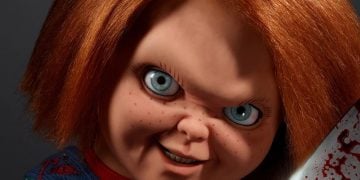
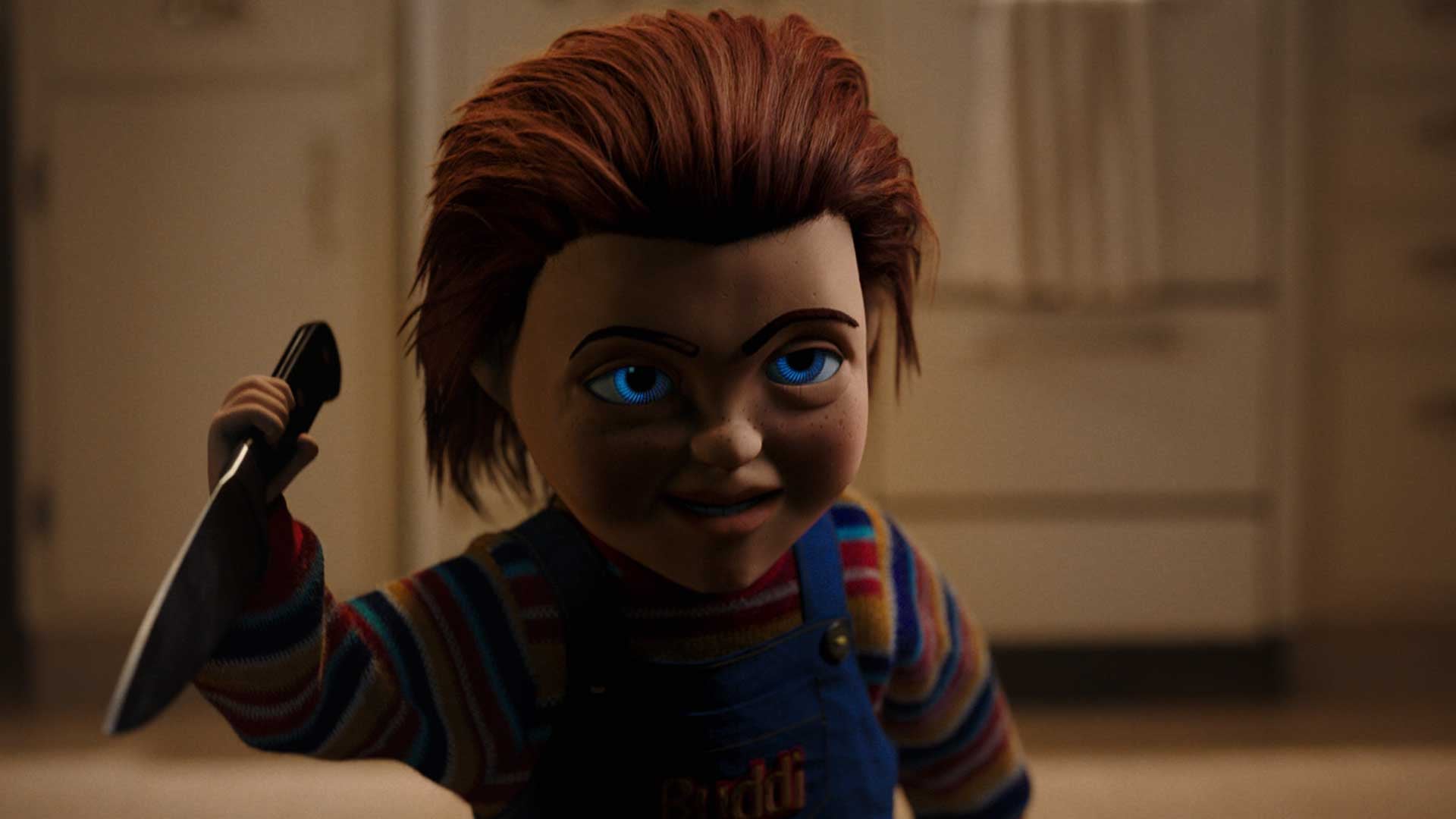


There are three certainties in life: death, taxes, and reboots. The latter, in particular, seems to stir up the most emotion and outrage from human beings. While most horror connoisseurs thought Chucky would be immune to the dreaded R word, the killer doll got his own reboot in 2019’s Child Play.
Why Fans Rejected the 2019 Child’s Play Reboot
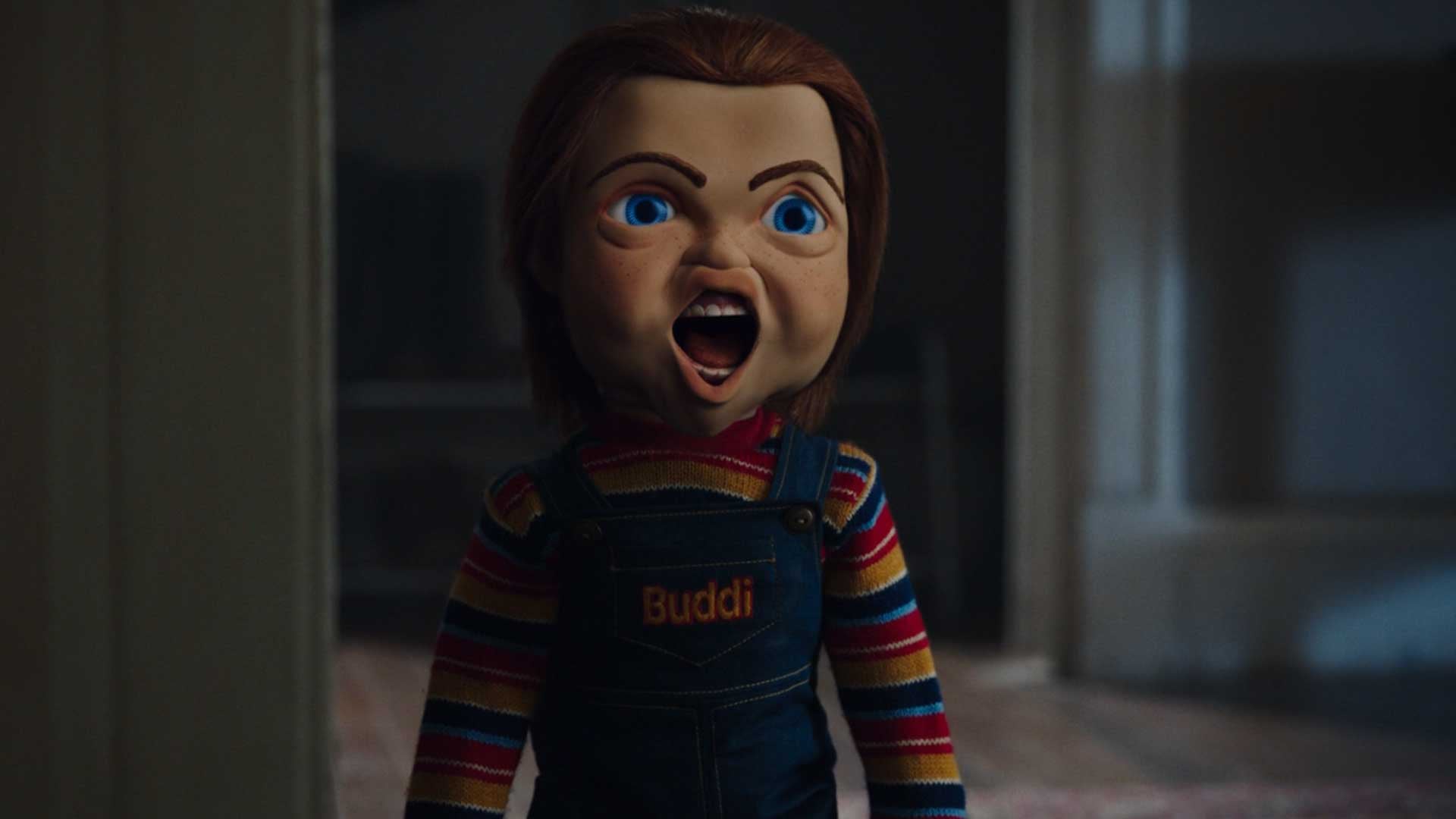
Upon release, it was smashed by mixed reviews.
For one, most fans didn’t understand why the Child’s Play franchise needed a reboot since it appeared to have been doing fine with well-received films such as Curse of Chucky and Cult of Chucky.
Two, creator Don Mancini had nothing to do with the project, which he publicly denounced, nor was Brad Dourif, who’d voiced Chucky since 1988 (Mark Hamill took over vocal duties here).
And three, Chucky’s origin was drastically altered—no longer was it rooted in voodoo, but it was about rogue and unstable AI.
Nostalgia Is Horror’s Worst Enemy
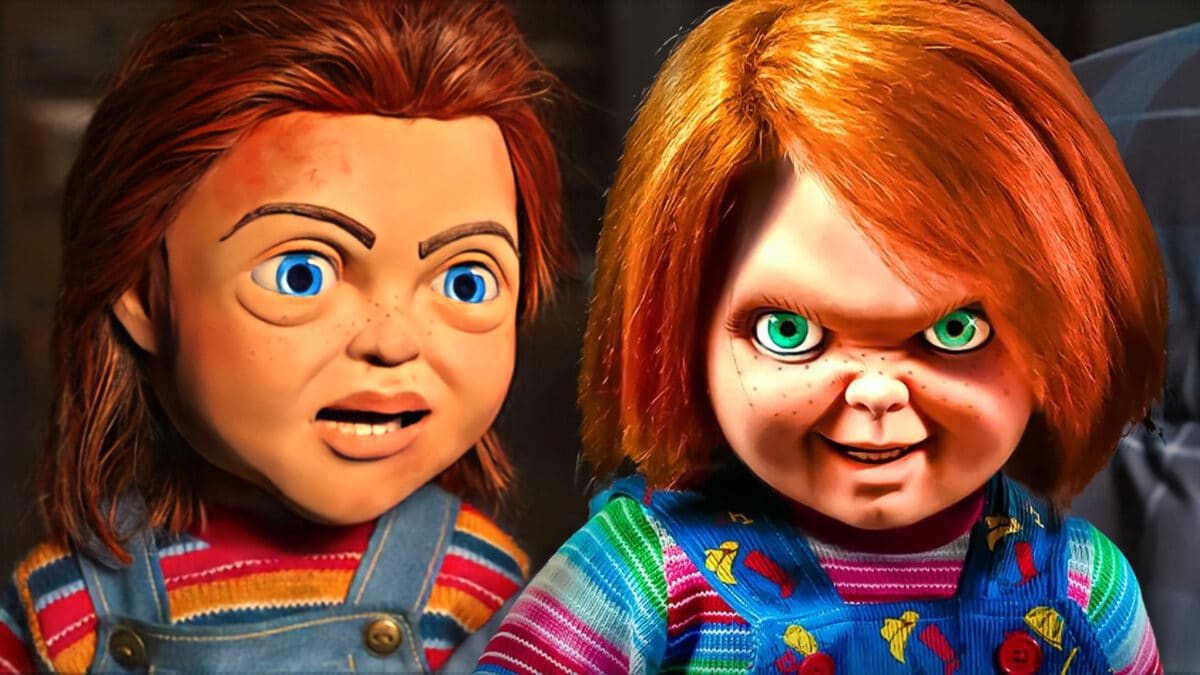
While the 2019 Child’s Play reboot made a decent return at the box office ($45 million from a $10 million budget), it appears as if any plans for a sequel were scrapped in favour of the continuation of Mancini’s universe in the 2021 Chucky TV series. For fans of the original franchise, this is good news—but it’s also a reminder of how nostalgia is often the worst part of the entertainment industry.
Before anyone says that a reboot is also just another form of nostalgia, it’s important to understand one thing: franchises are meant to outlast films. Think of Superman. Created in 1938, there’s no way that the hero introduced in Jerry Siegel and Joe Shuster’s Action Comics #1 is the same as the character in Richard Donner’s Superman or Zack Snyder’s Man of Steel. There have been developments and changes along the way, and new creatives will have different ideas for the character—as they should.
The 2019 Child’s Play reboot is a perfect example of this. While staying true to the essence of Chucky and the main narrative, i.e., no one believing a doll was capable of a murder spree, it decided to upgrade other elements, such as the origin. It felt timeous, considering the wider societal discussion about the impact and dangers of AI. More importantly, it didn’t try to become a rehashed clone of what Mancini had done before. It was a unique and fresh take—something that you expect, or at least hope for, from every reboot.
It’s also understandable to see why Mancini felt betrayed by the film being made without his involvement, as it once again highlights the rights challenges that creators experience in Hollywood. In this instance, Mancini’s legion of fans backed him and refused to accept this as part of the canon, hence the largely dour reception towards the reboot.
The AI Angle Was Right All Along
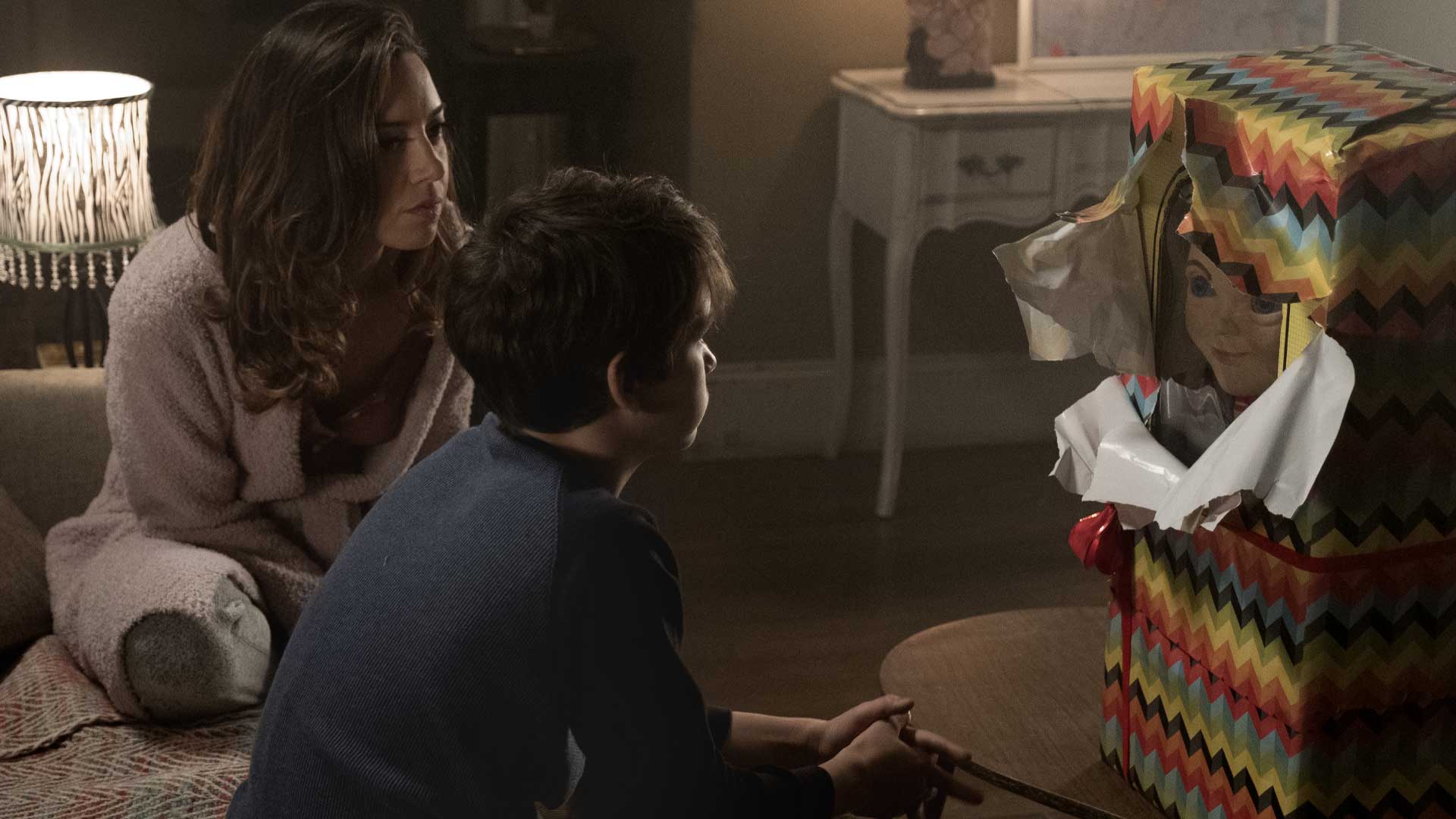
If we’re honest, looking back now, this was a film ahead of its time. Back then, when the writers of the Child’s Play reboot swapped out the voodoo/black magic element in place of faulty or corrupted code, fans of the franchise treated it like someone had replaced Freddy Krueger with a broken Alexa. Everyone wanted Charles Lee Ray back. They didn’t want an electronic Buddi doll. That wasn’t scary enough. Nobody is frightened by an evil toaster.
But, looking at it now, the reboot has actually aged better than most horror films from the last decade. It predicted something super scary: evil AI.
Just a few years ago, the idea of AI devices invading our homes still actually felt like science fiction. But now in 2026, your toaster can talk to your phone. Your kids spend hours daily with chatbots for homework. And everyone hands over their entire lives to algorithms and Large Language Models.
And all of that makes 2019’s Child’s Play feel less like a gimmick remake and more like a big red warning nobody bothered reading at the time.
The movie’s smartest twist wasn’t Chucky killing people with smart-home gadgets. It was the reason he snapped in the first place. A factory worker disables the doll’s safety protocols because management pushes impossible deadlines and cost-cutting. And, honestly, that hits harder today in 2026 than any voodoo chant ever could.
Today, we’ve seen and heard of plenty of AI horrors. Whether it’s false information, fake images, mimic voices for crime, or suggesting strange food that could kill us, there’s something frightening about the technology.
Today, that tech sits in your child’s bedroom. Just like this version of Chucky does.
So, yes, this is a film that was definitely ahead of its time.
Chucky’s Reboot Deserved Better — Here’s the Proof
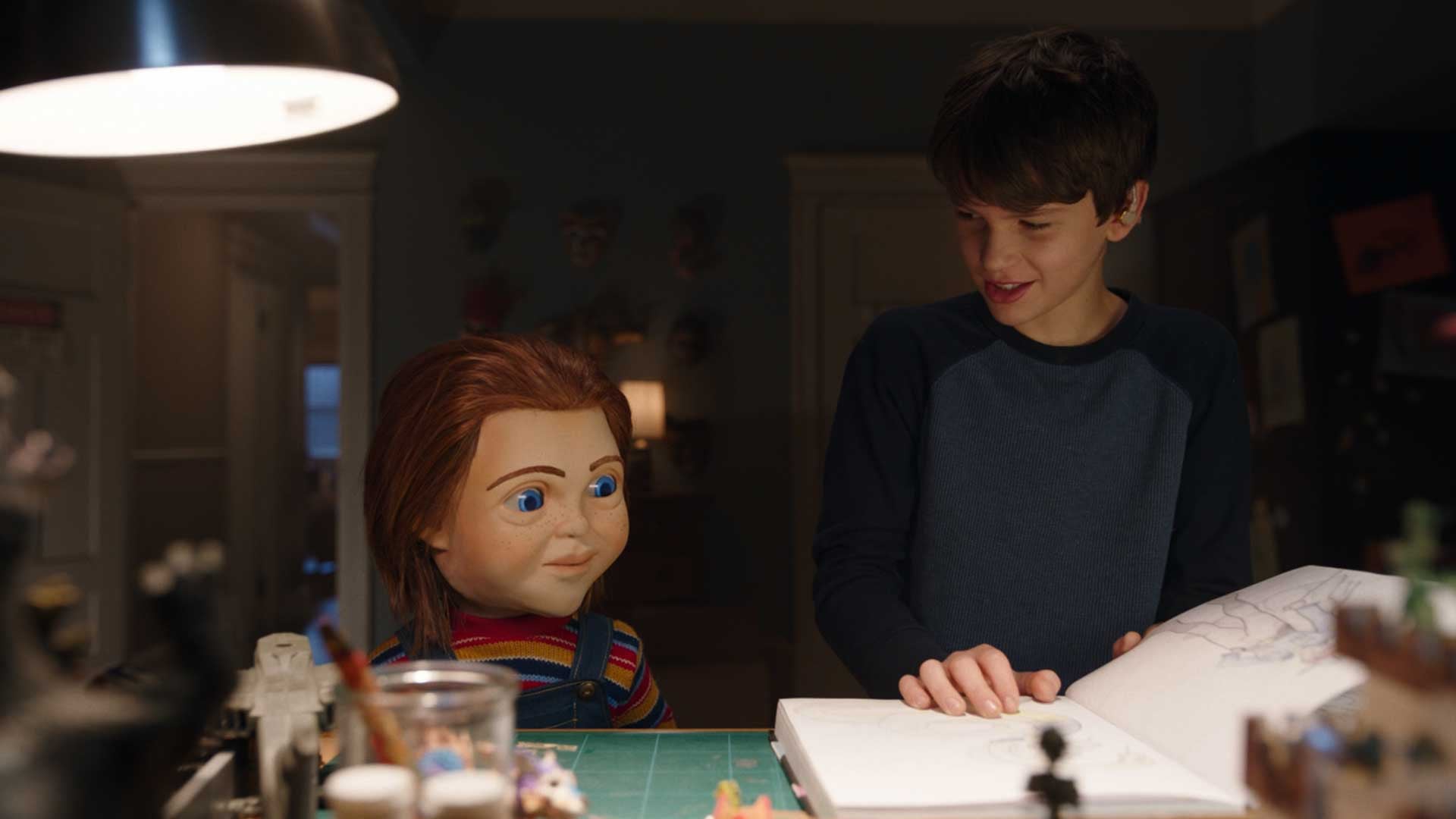
When you look at it from a strictly artistic point-of-view, though, Child’s Play (2019) is one of the better reboots around. It stays respectful of the original in its execution but also understands that it is its own movie and needs to do a few things differently. Sadly, the behind-the-scenes drama and nostalgia crutch prevented it from receiving the fair reception it deserved.
Until the time when audiences realise that a reboot doesn’t erase the existence of the original, cases like 2019’s Child’s Play will be common occurrences. Sometimes, a makeover isn’t a bad idea—Chucky included.
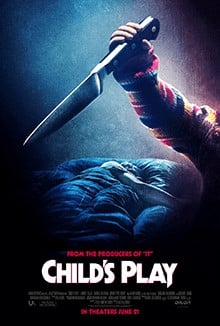
Child's Play (2019) |
|---|
A mother gives her 13-year-old son a toy doll for his birthday, unaware of its more sinister nature. |
 |
|---|
| Studio: United Artists Releasing, Orion Pictures |
| Running Time: 90 minutes |
| Release Date: June 21, 2019 |
| Cast: Aubrey Plaza, Gabriel Bateman, Brian Tyree Henry, Mark Hamill |
| Director: Lars Klevberg |
| Writers: Tyler Burton Smith |
| Genre: Drama, Horror, Sci-Fi |
| Box Office: $45 million |