
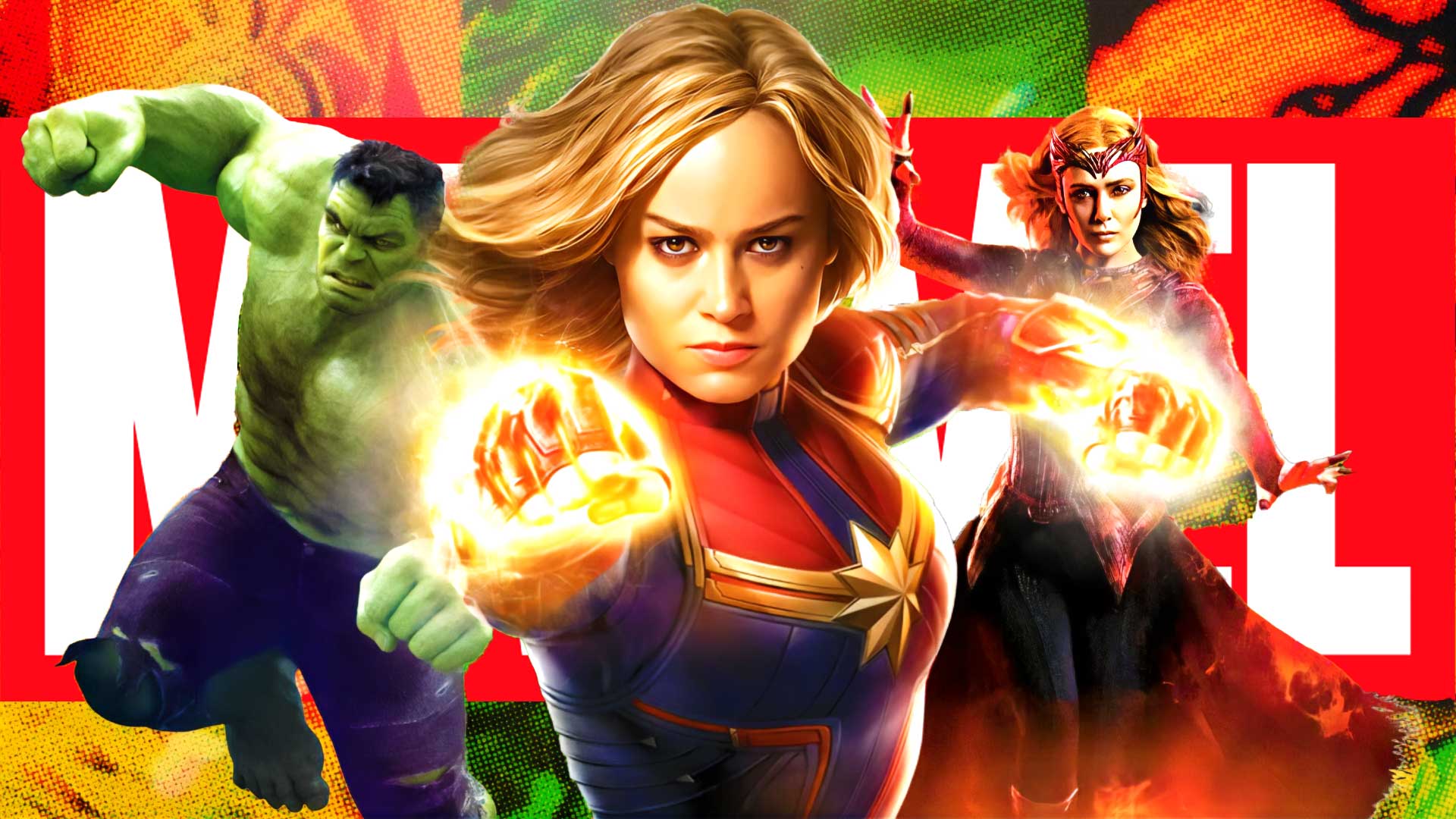


As we approach the 40th MCU film, Marvel’s cinematic landscape has established itself as a cultural behemoth. As much inspiration as the MCU gets from the comics, the MCU’s screenwriters and filmmakers have taken some, let’s say, creative liberties along the way. From minor tweaks to total character overhauls, here are 20 times the MCU did its own thing!
20. Mjolnir’s Rules
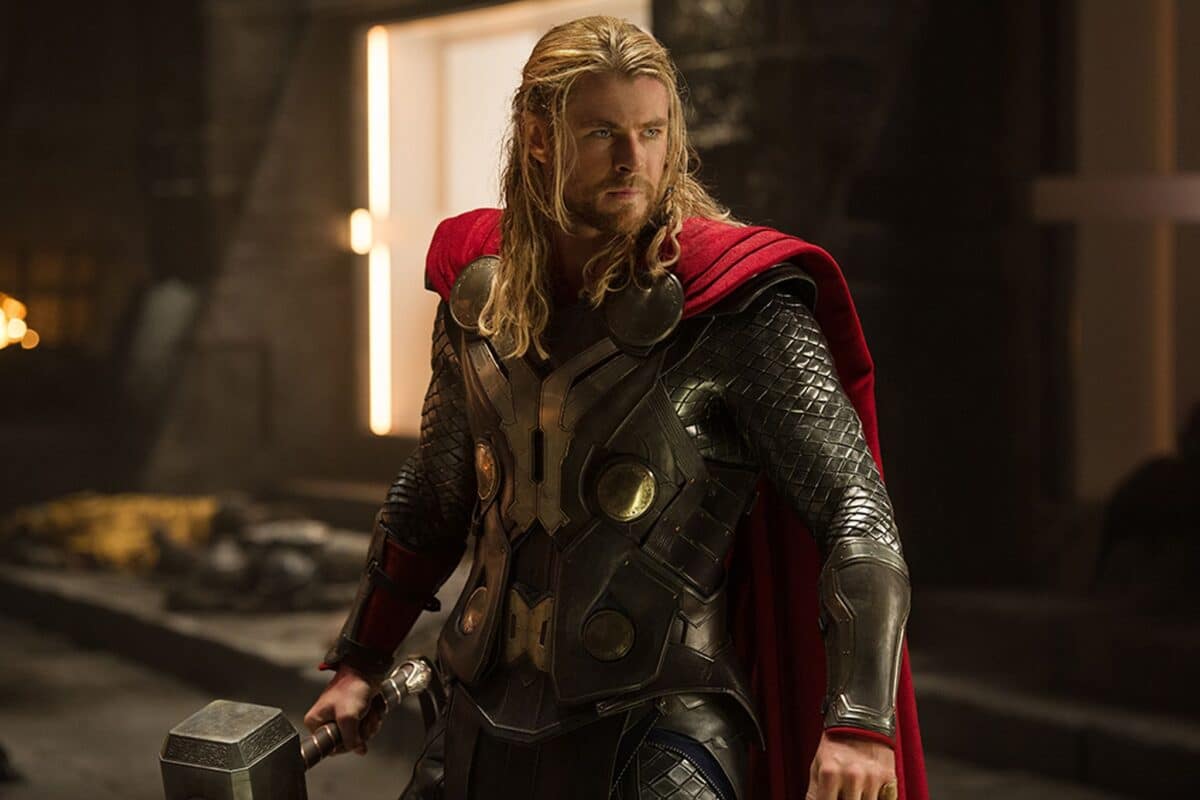
The MCU establishes that Thor’s hammer, Mjolnir, can sense “worthiness” as if the weapon had a biological scanner of sorts. In the comics, Mjolnir’s sentience is much more pronounced, lending its powers to a variety of characters, including Beta Ray Bill and even Superman in the Avengers/JLA crossover.
19. The Ancient One
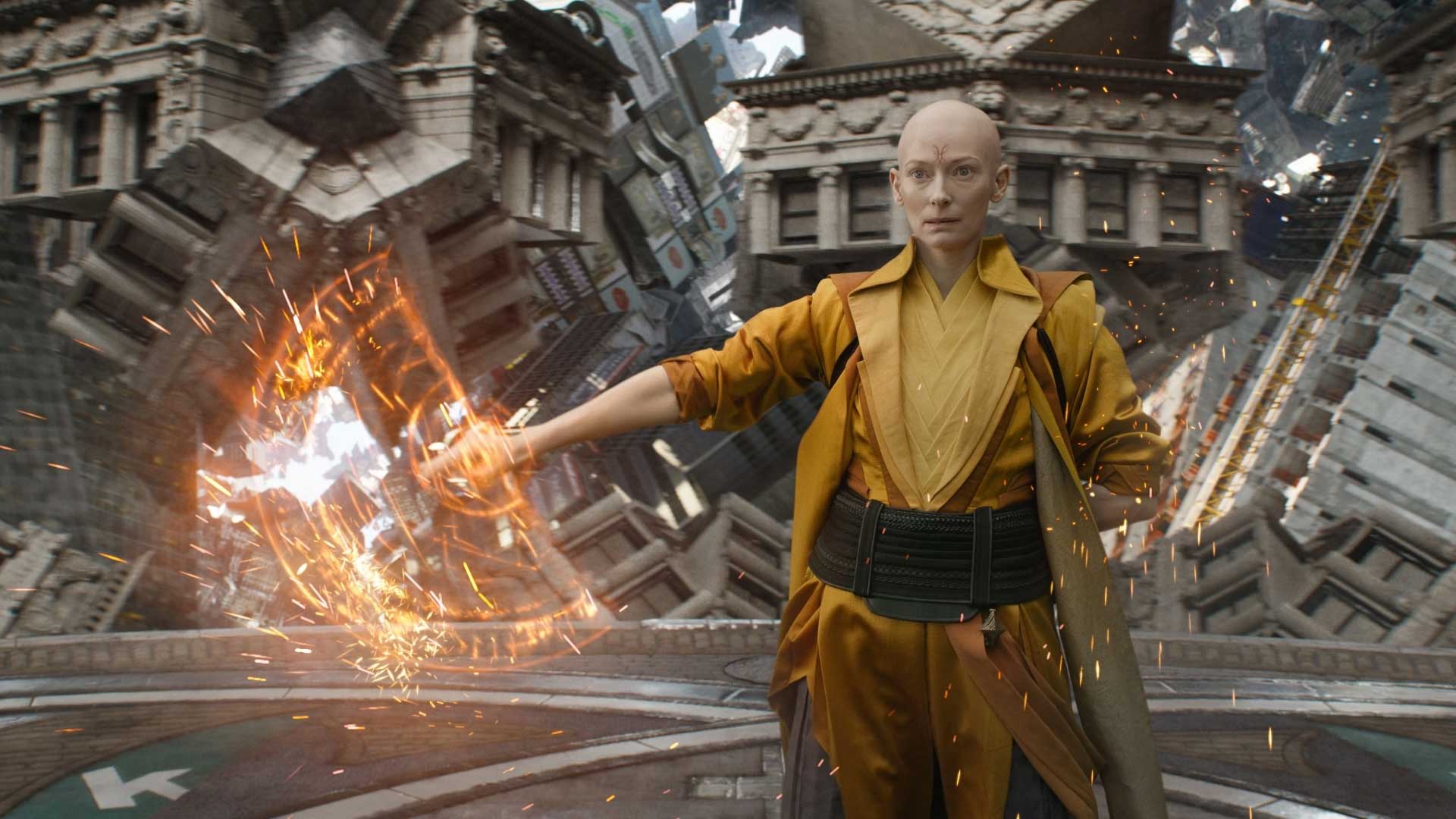
Doctor Strange took some liberties when it came to the movie’s casting. In a move to avoid the stereotypical “old wise Asian master” seen in the comics, 2016’s Doctor Strange changed The Ancient One from an old Tibetan monk to a Celtic woman.
18. Aunt May
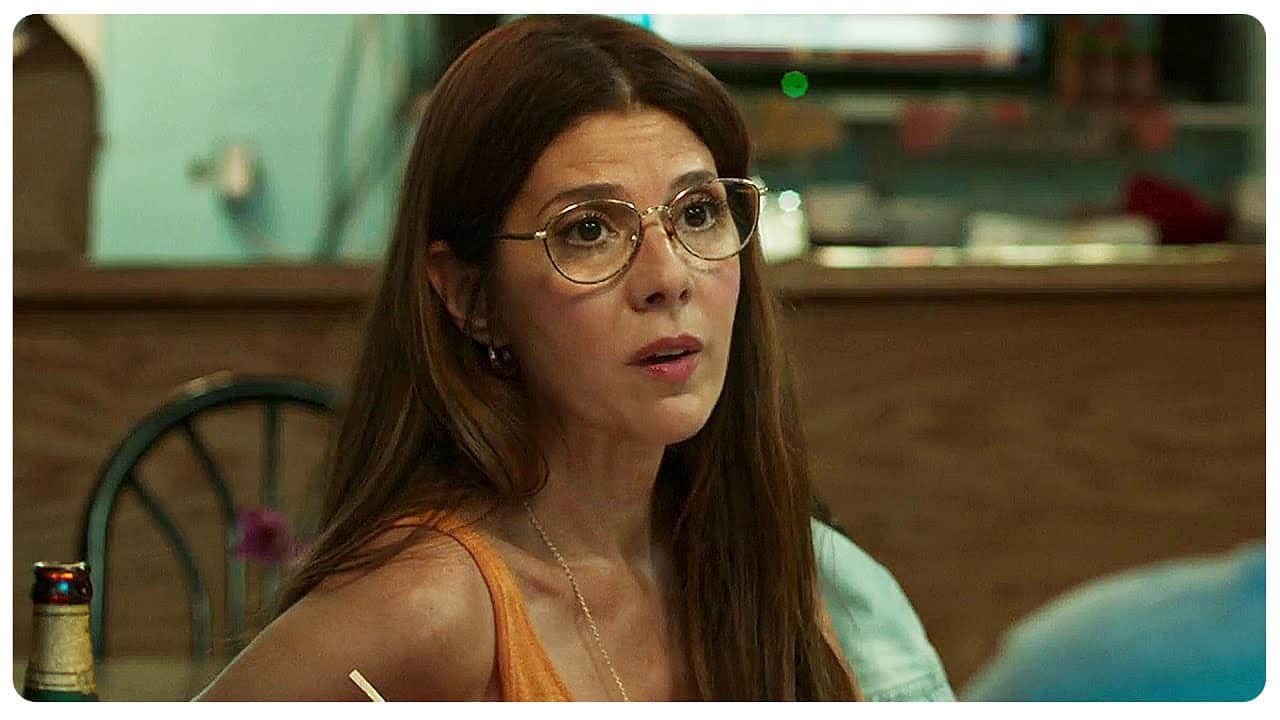
In Spider-Man: Homecoming, the MCU introduced fans to a much younger, more tech-savvy take on Aunt May. No longer a frail elderly woman, Marisa Tomei’s age and looks introduced a whole new dimension to the character. At the same time, she took on the role of another, much beloved Marvel character.
17. Uncle Ben
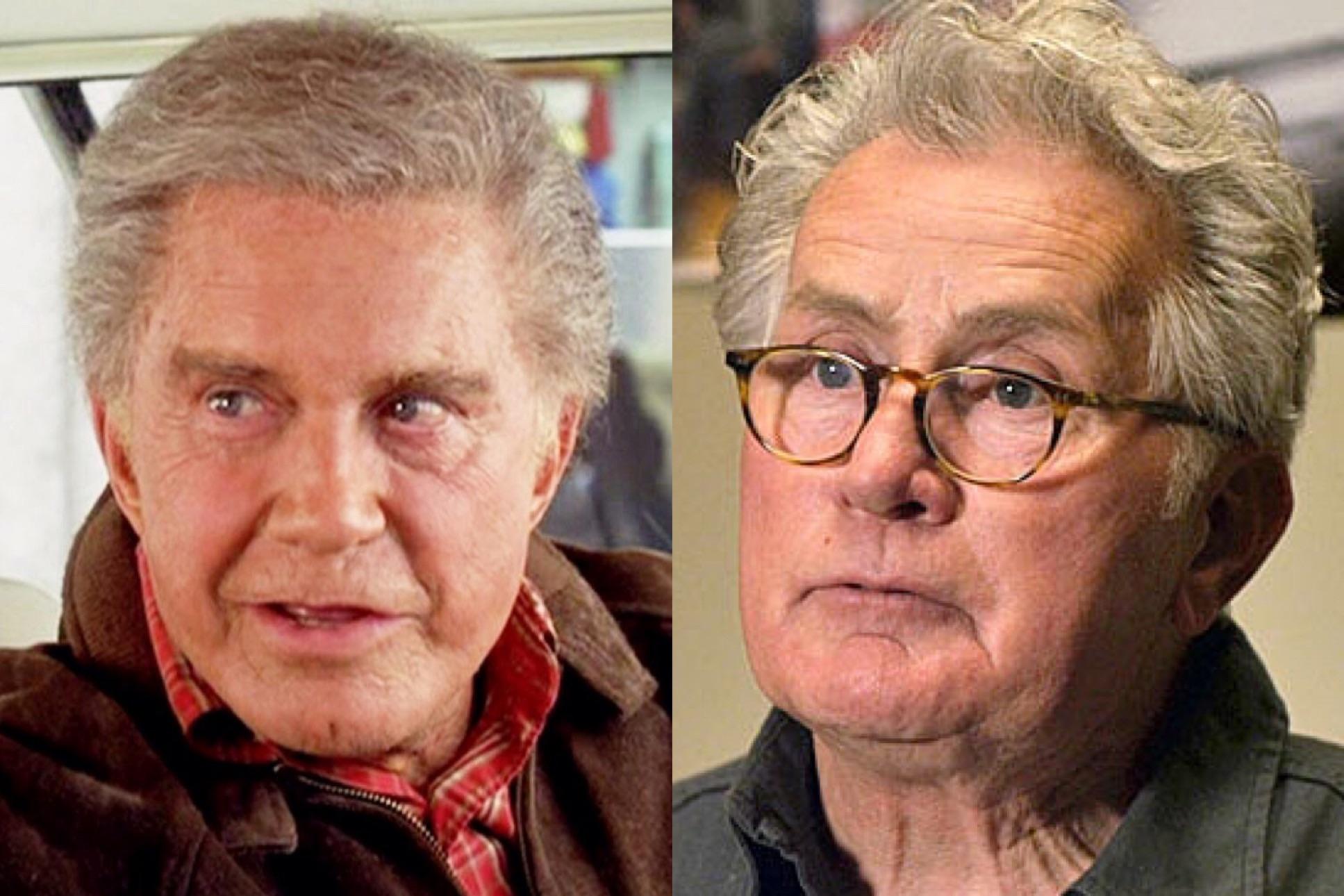
“With great power comes great responsibility” — seeing as Uncle Ben is effectively missing from the MCU, Aunt May tells Peter his iconic motto. Maybe Spider-Man: Brand New Day will finally introduce Uncle Ben to the MCU? One can surely dream.
16. Nick Fury’s Character
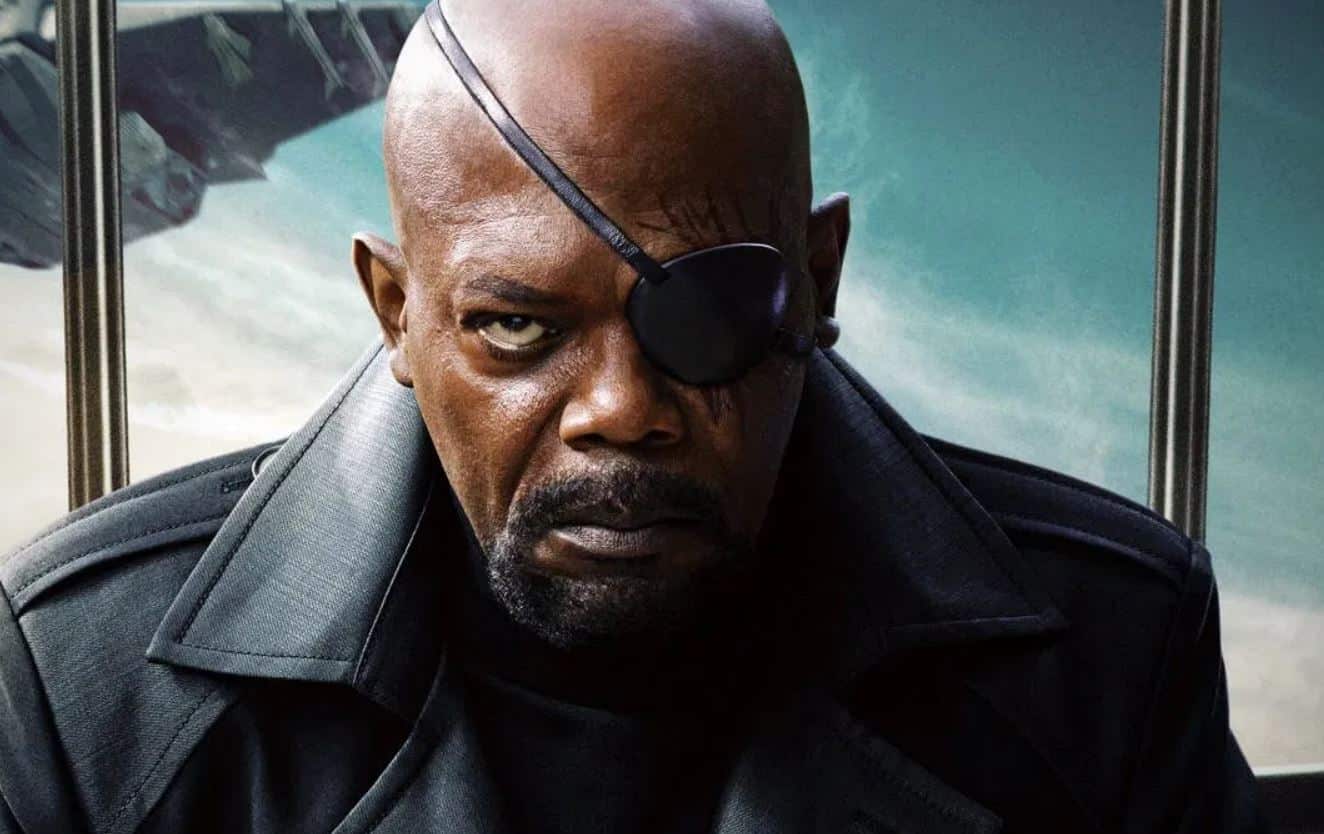
Many characters received ‘updates’ in the MCU, but Nick Fury was redesigned from the ground up. Formerly a WWII vet in the comics, the MCU used the Ultimate version of the character (which was already modelled after Samuel L. Jackson). Now, fans can’t picture Fury without thinking of Jackson—he’s just the perfect fit for the character!
15. Hela’s Lineage
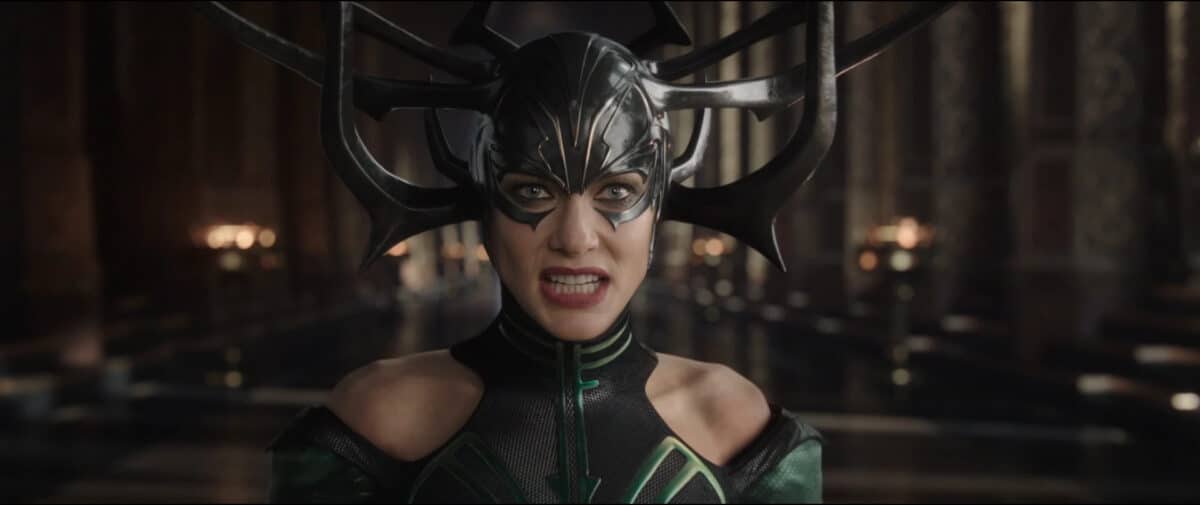
Thor: Ragnarok introduced Hela as Thor and Loki’s older sister. However, in Marvel comics and Norse mythology, Hela is actually Loki’s daughter, making her Thor’s niece.
14. Baron Zemo
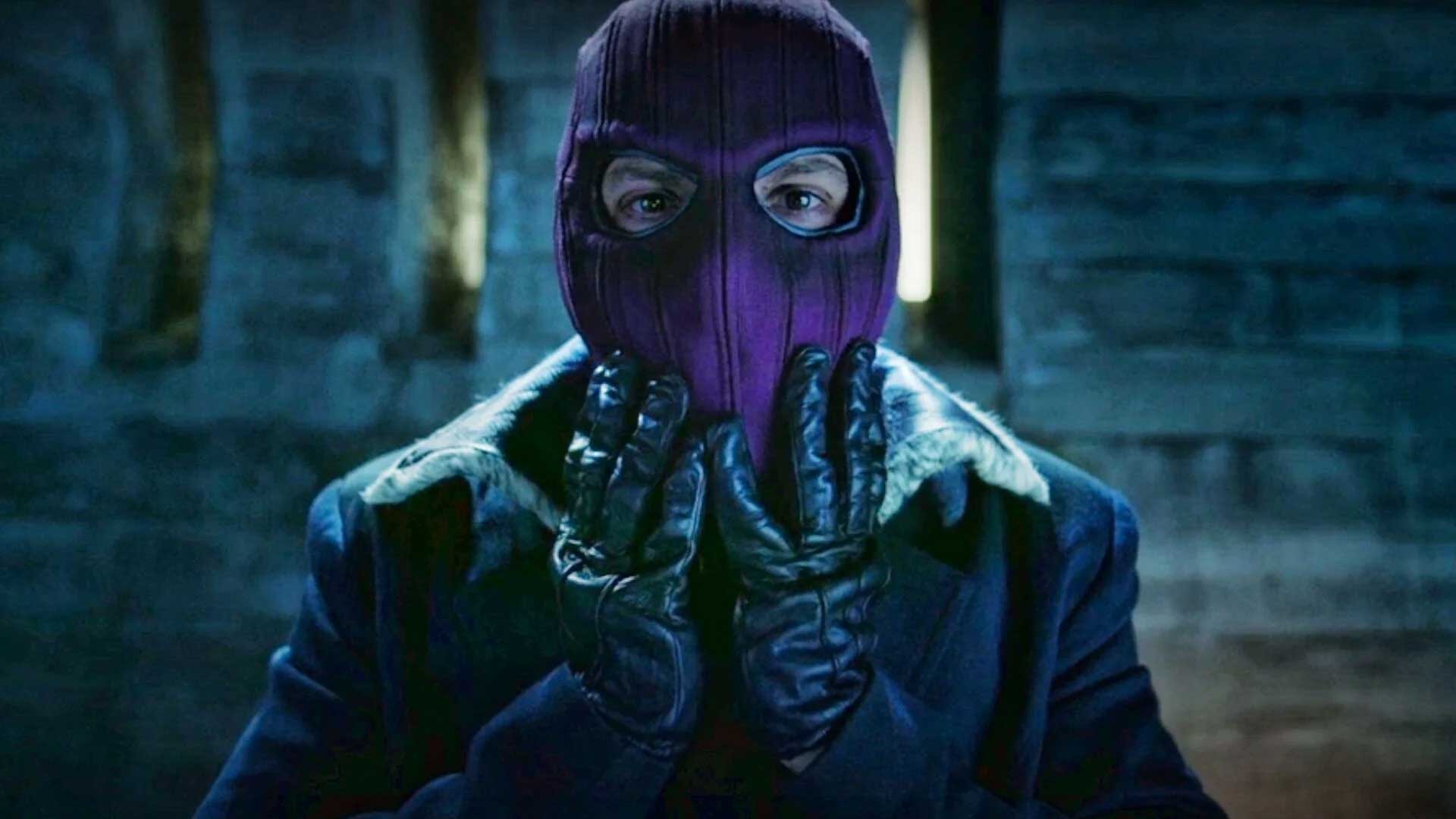
Sokovia—a location created explicitly for the MCU—introduces many changes to the MCU lore compared to the comics. Zemo, a disgruntled Sokovian, is actually a Hydra scientist in the comics, with a more traditional “bad guy” persona.
13. Star-Lord’s Father
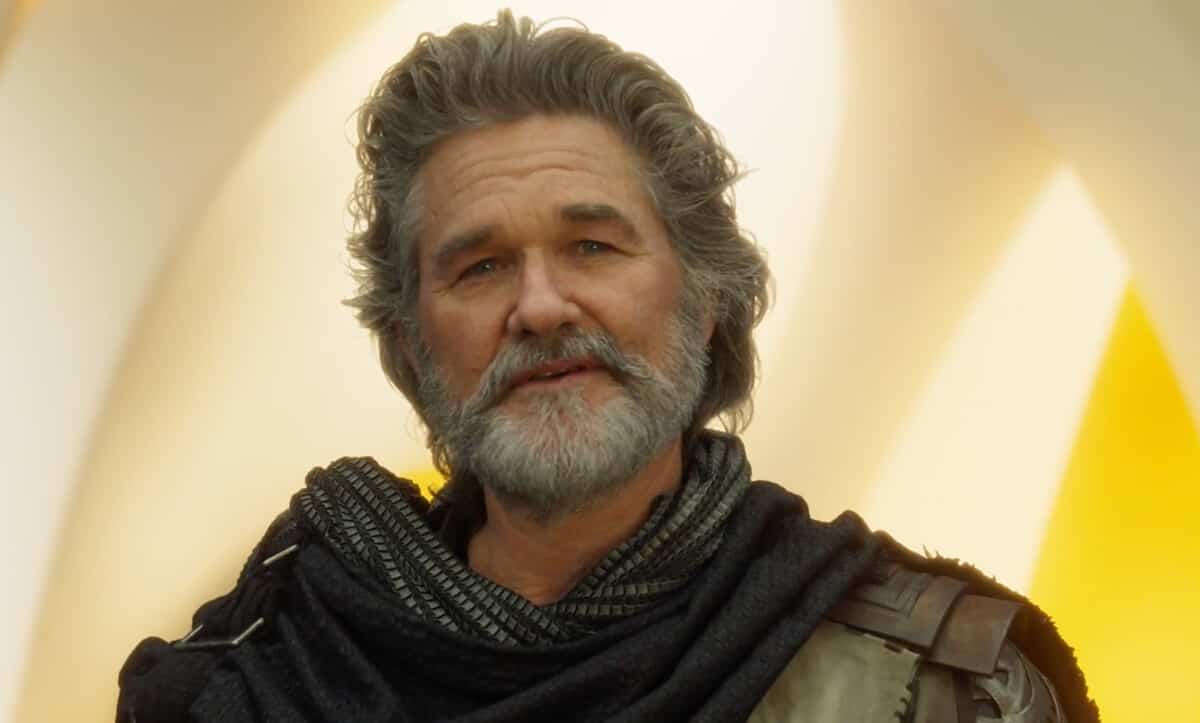
In Guardians of the Galaxy Vol. 2, we learn that Ego, a Celestial, is Peter Quill’s real father. This Ego is the MCU counterpart of Ego, the Living Planet, from the comics, who is just a predatory, sentient planet with no relation to Star-Lord.
12. JARVIS
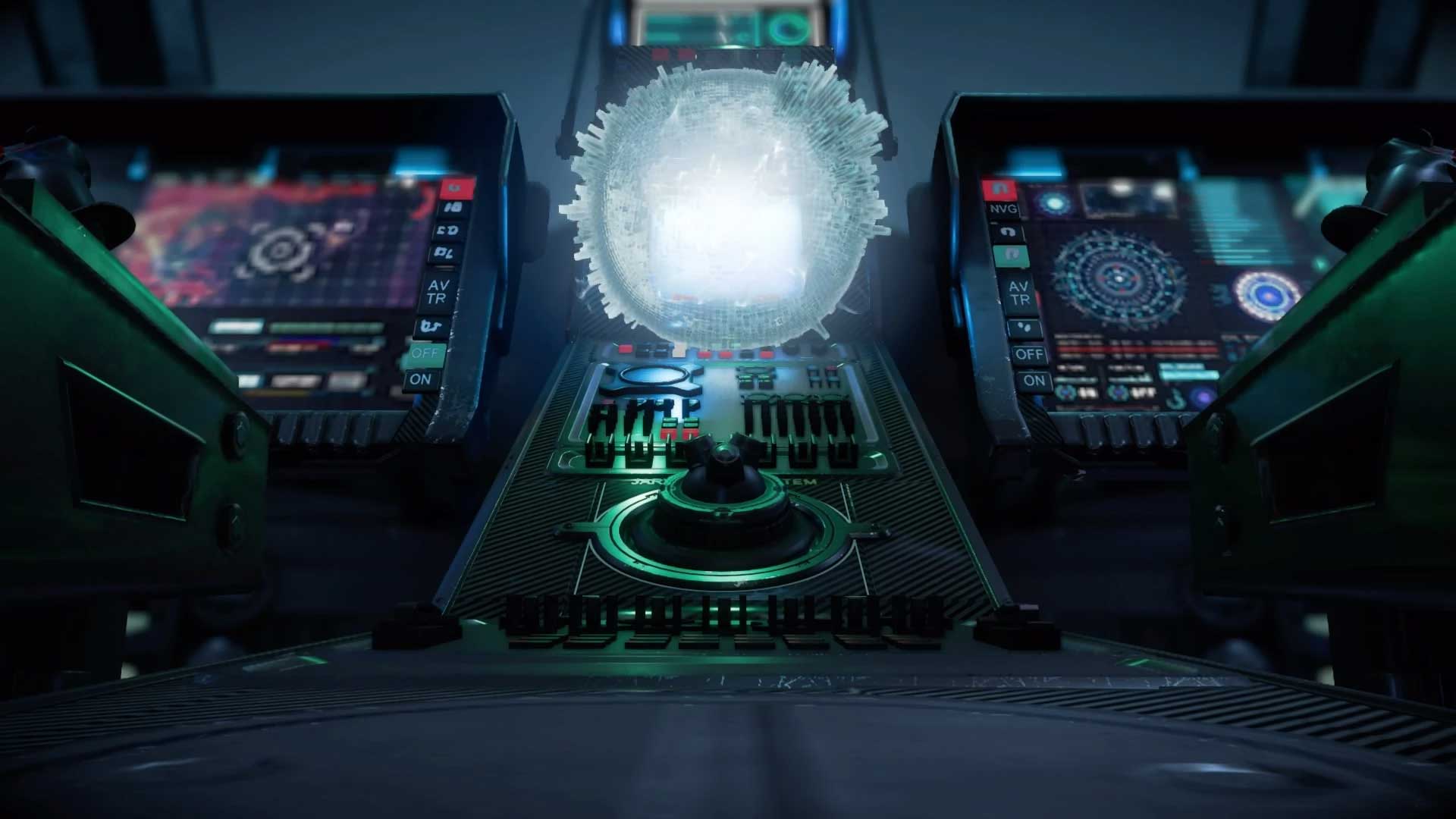
Tony Stark’s faithful assistant was not an AI construct in the comics, but a regular human butler named Edwin Jarvis. In the MCU, JARVIS stands for “Just A Rather Very Intelligent System”, by the way!
11. Planet Hulk
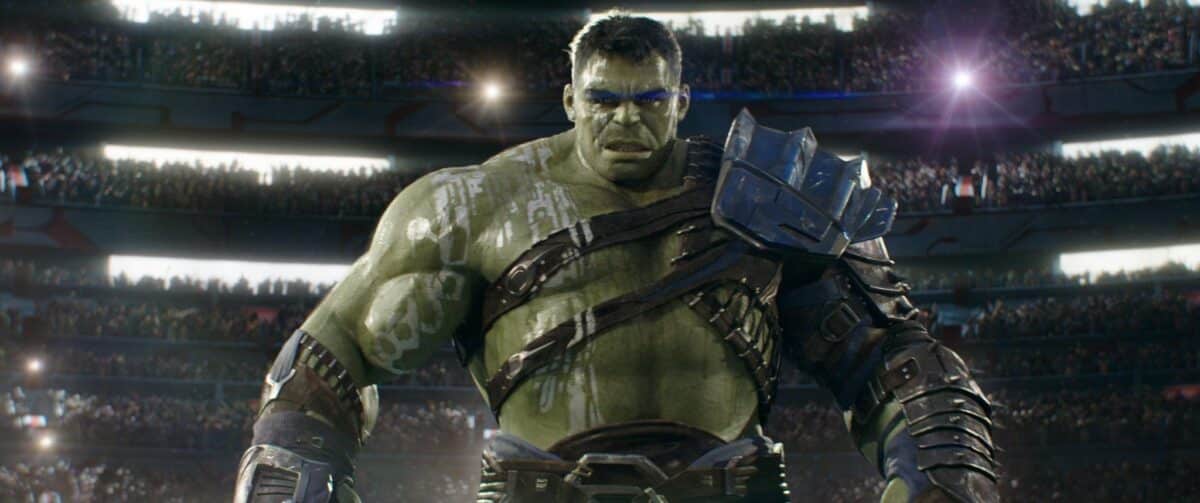
Hulk’s gladiator arc in the comics is one of the best storylines featuring Marvel’s green giant. Instead of being a tragic epic, Thor: Ragnarok uses Hulk’s time in the arena as a slight comic relief. He’s not a broken war hero: he’s just a pampered gladiator champ instead.
10. The Infinity “Gems”
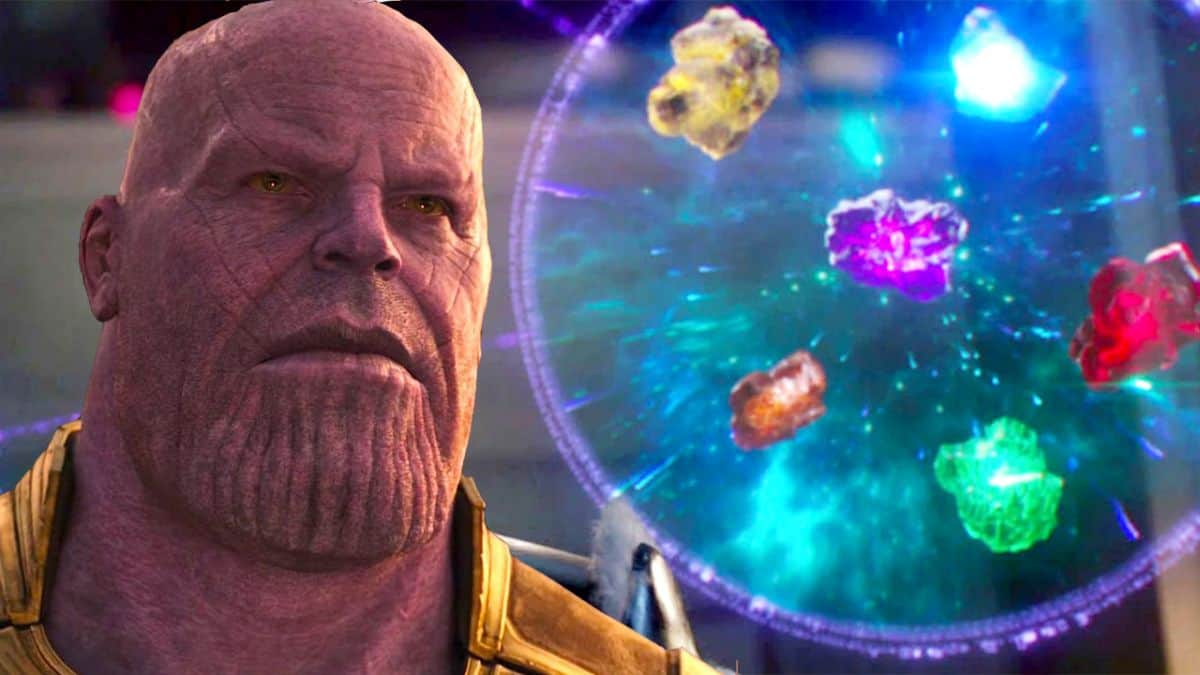
The MCU calls them Stones, but comic book fans know them as the Infinity Gems. In 2017, Marvel changed the name in the comics to “Infinity Stones” to match their MCU counterparts. They also changed the colors to match the way they look in the movies.
9. The Mandarin’s Real Identity
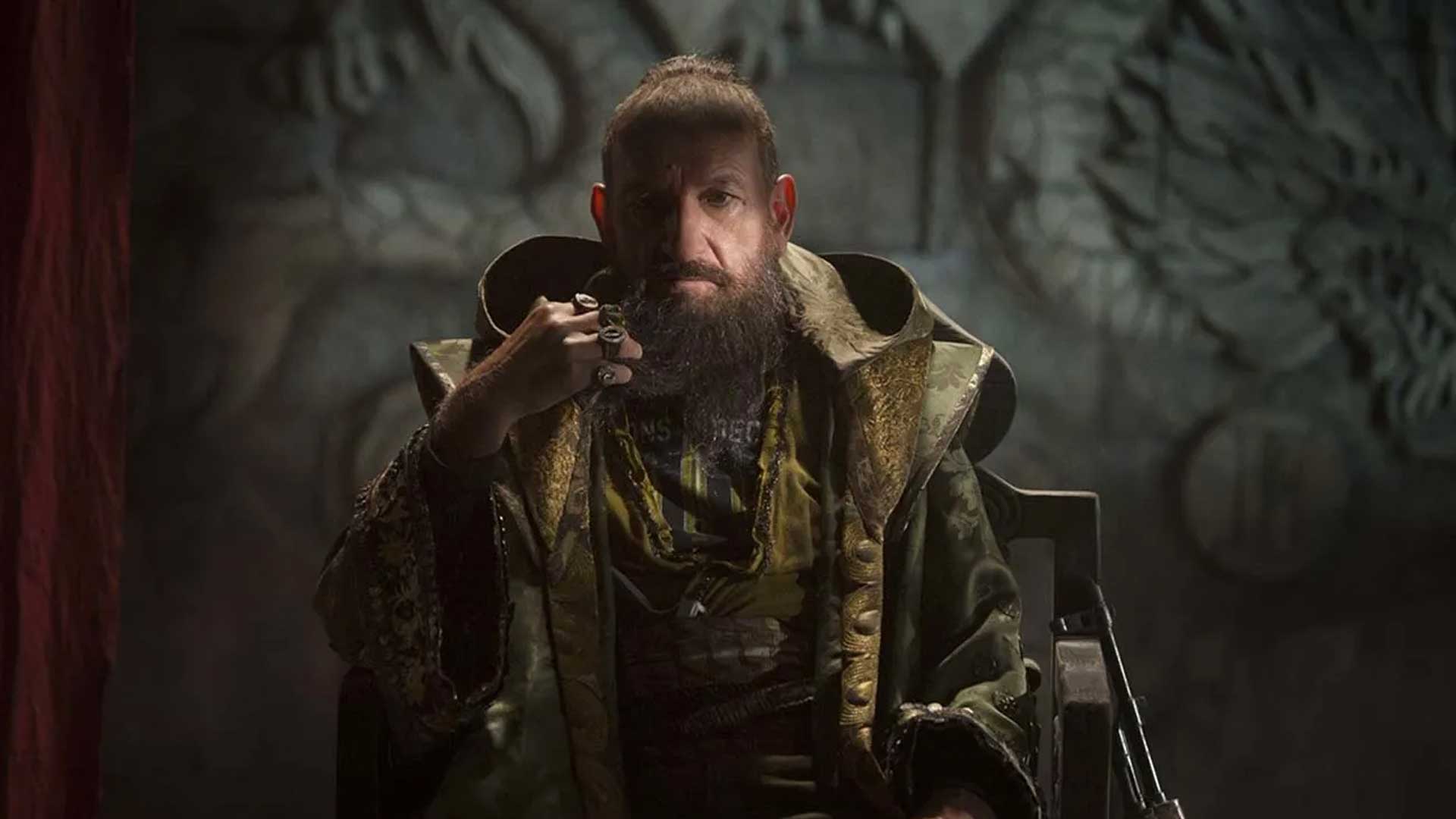
Perhaps one of the most controversial changes in the entire MCU, the “real” Mandarin in the comics wields ten magical rings as his main weapon. The MCU introduced a fake Mandarin in Iron Man 3, Trevor Slattery, who was just an actor. The real MCU Mandarin finally appeared years later, in Shang-Chi and the Legend of the Ten Rings.
8. The Guardians of the Galaxy
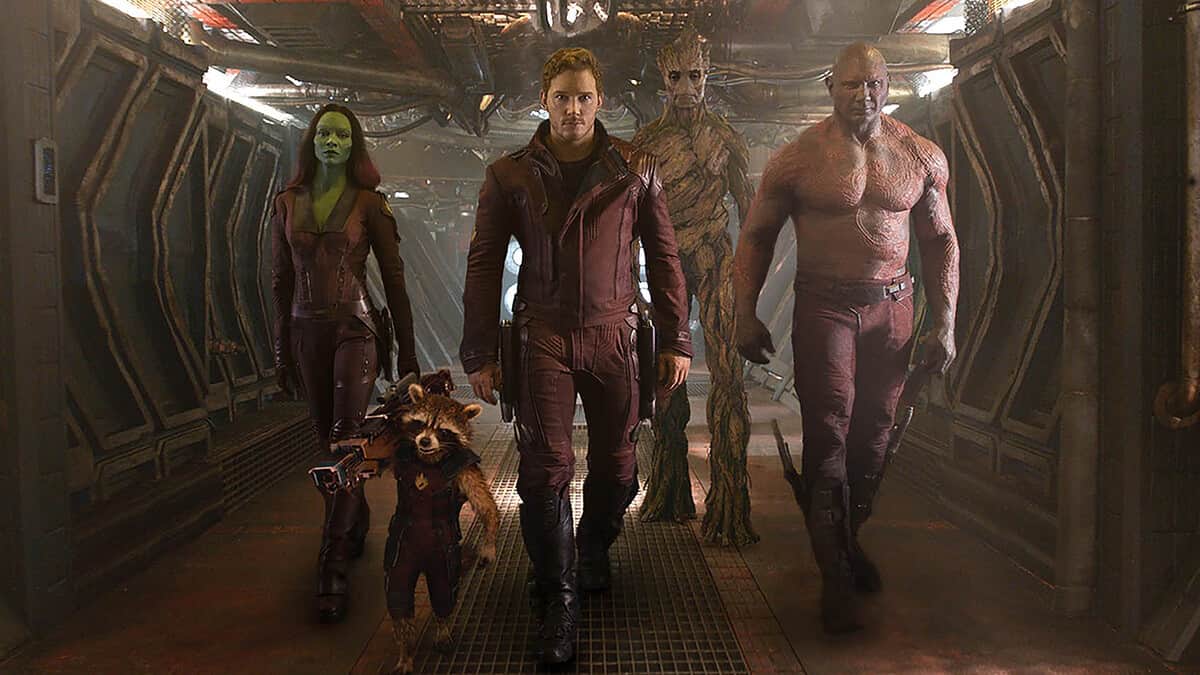
The Guardians in the comics were a more serious military-style force—kind of like the Avengers, but in outer space. James Gunn delivered a more laid-back take on the Guardians, turning them into a ragtag group of outlaws who sometimes happen to save the galaxy. The change was so popular that it was later adopted in the comics.
7. Civil War’s Scale
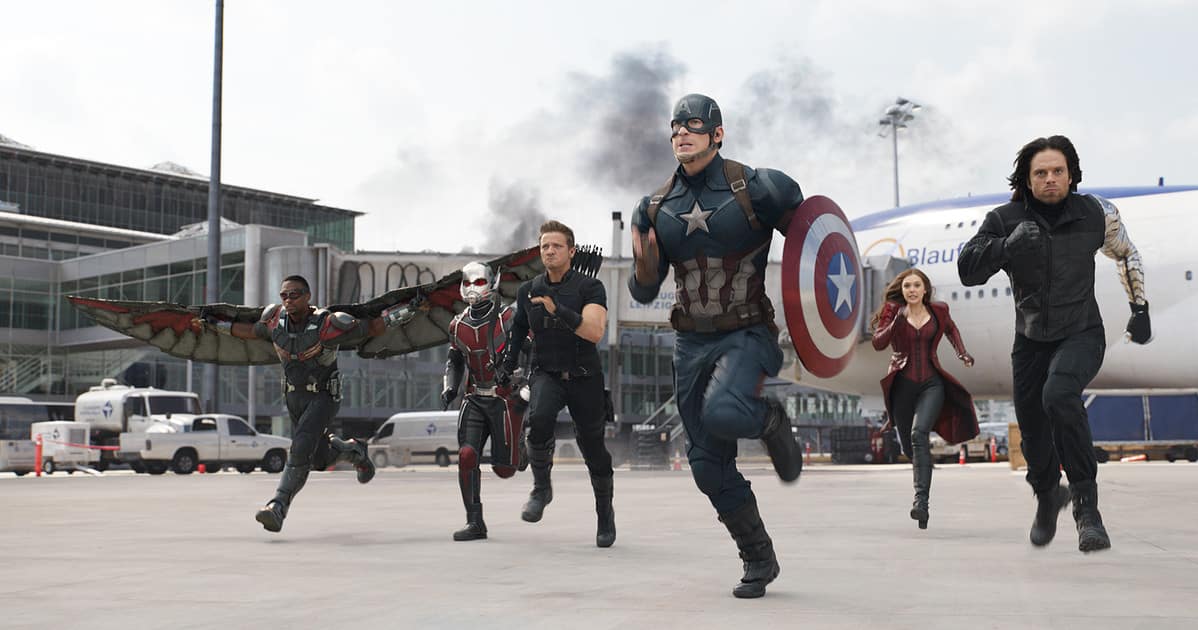
Captain America: Civil War and Avengers: Age of Ultron establish that the Sokovia incident caused the MCU’s Civil War. That differs from the comics, where the Civil War was a much larger event that involved the Superhuman Registration Act and virtually every character in the comics.
6. Ms. Marvel’s Powers
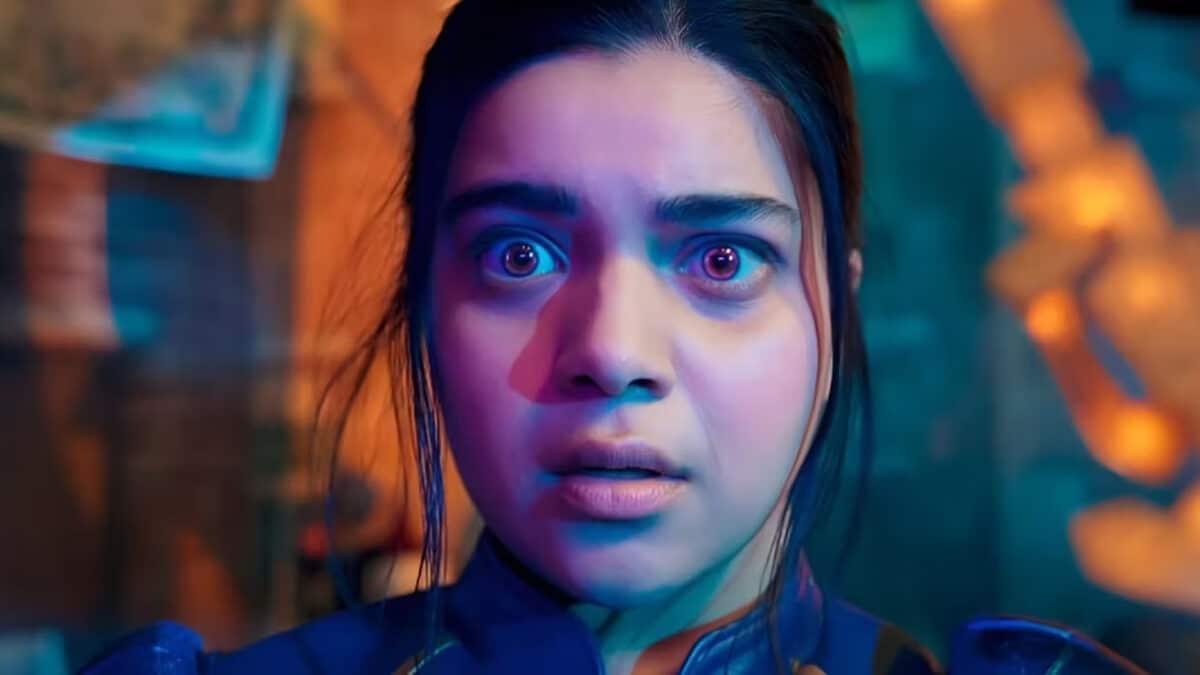
Comic Ms. Marvel is an Inhuman, with powers that allow her to “embiggen” any part of her anatomy. The Disney+ show changed Kamala Khan’s powers: she can still “stretch” as she does in the comics, but she does so with a purple glow due to her powers being a form of hard light manipulation. She’s also one of the first confirmedMutants in the MCU.
5. Taskmaster
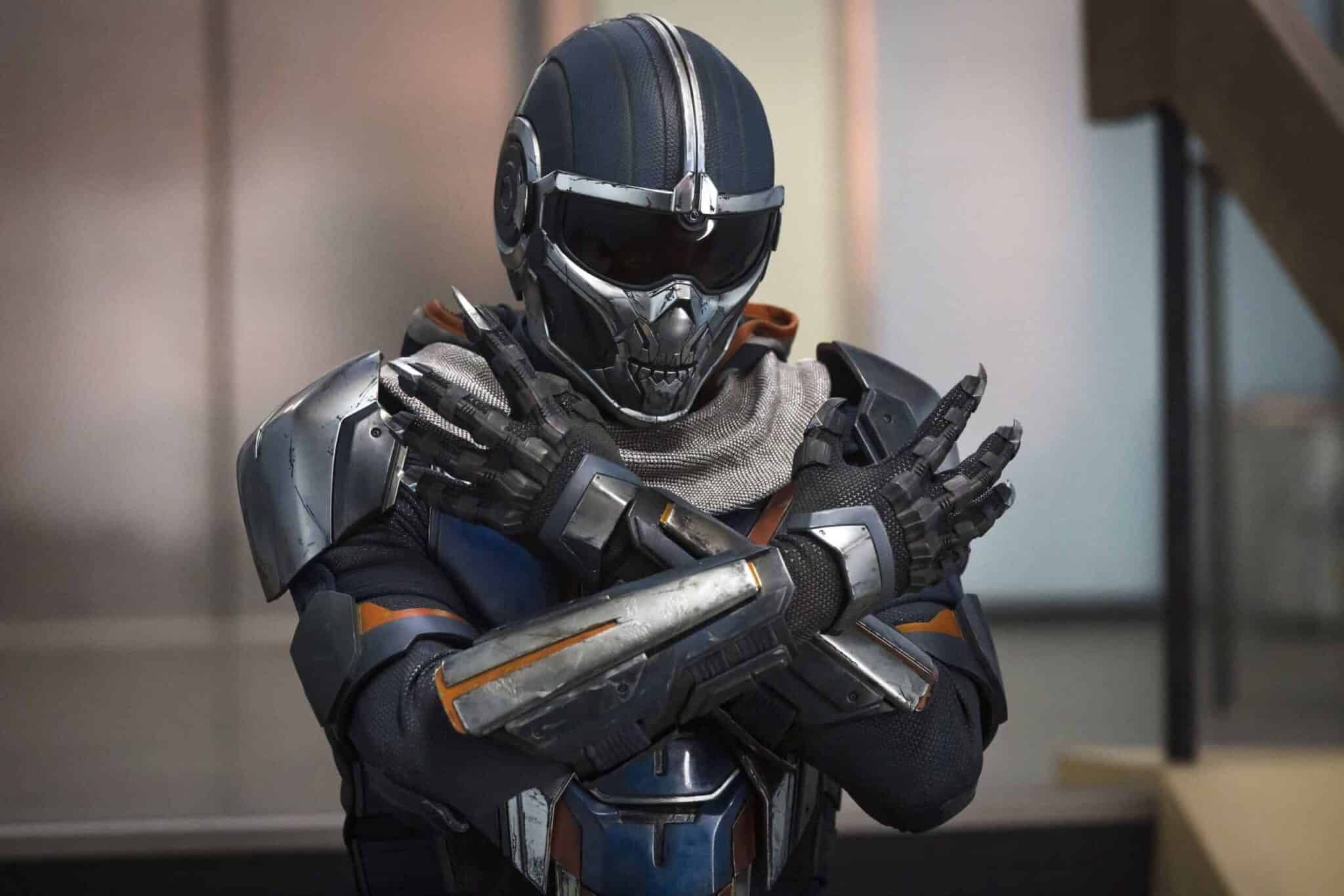
Taskmaster is a witty mercenary with photographic reflexes who can adapt and learn from any foe he faces. He—or rather, she—is a completely different character in the MCU. Antonia Dreykov, a brainwashed cyborg with a superpowered suit, is the MCU’s Taskmaster—or rather, was.
4. Ultron’s Creator
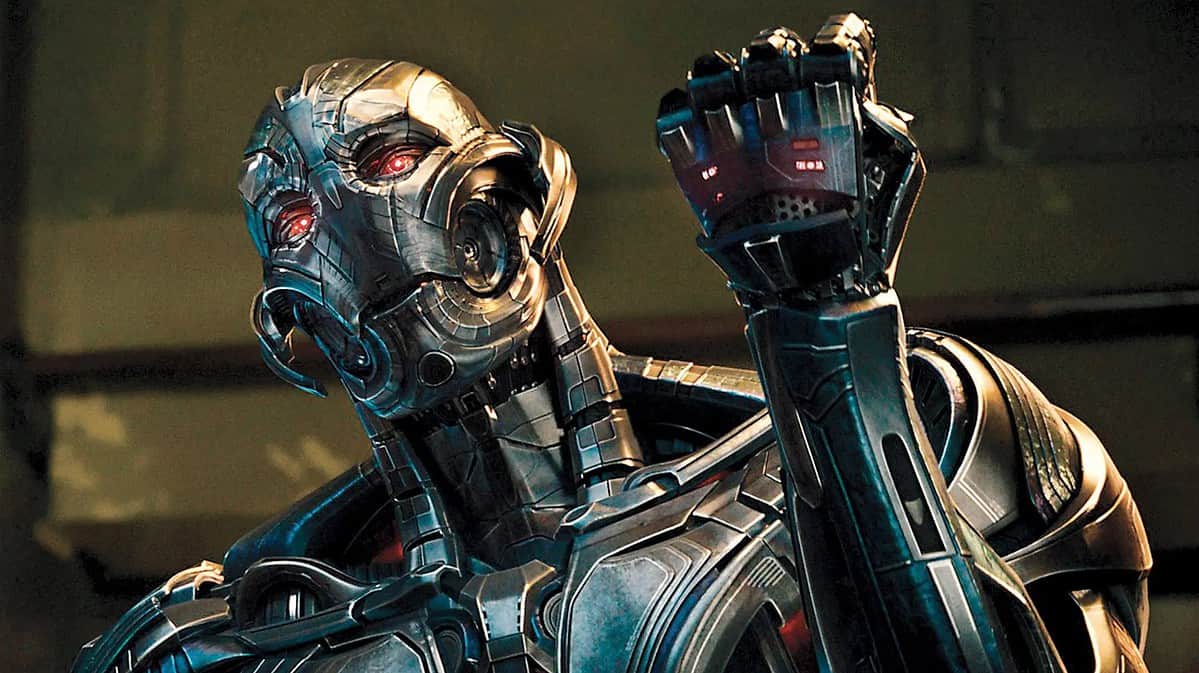
The movies established that Ultron was one of Tony Stark’s deadliest creations, aided by Bruce Banner. In the comics, Ultron was the brainchild of Hank Pym, aka the original Ant-Man.
3. Mutants
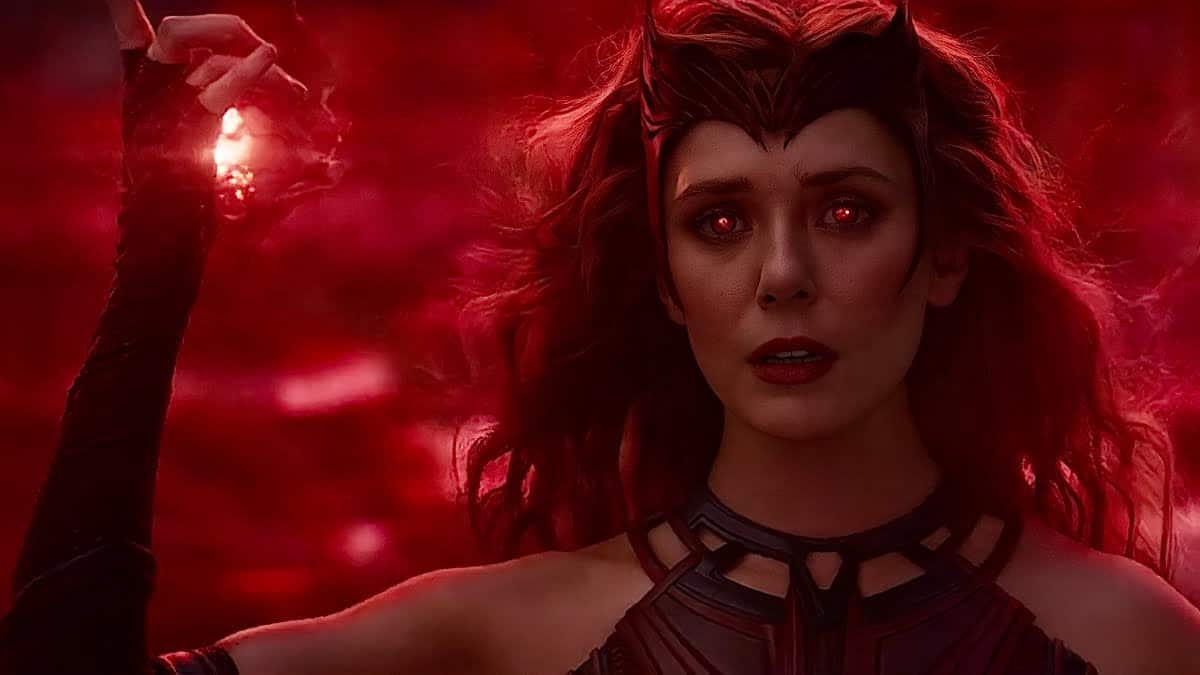
Mutants play an integral role in the Marvel comics. Due to rights issues, the MCU had to veer away from Mutants for years, calling characters like Wanda and Pietro (Quicksilver) “Miracles” instead.
2. Demon in a Bottle
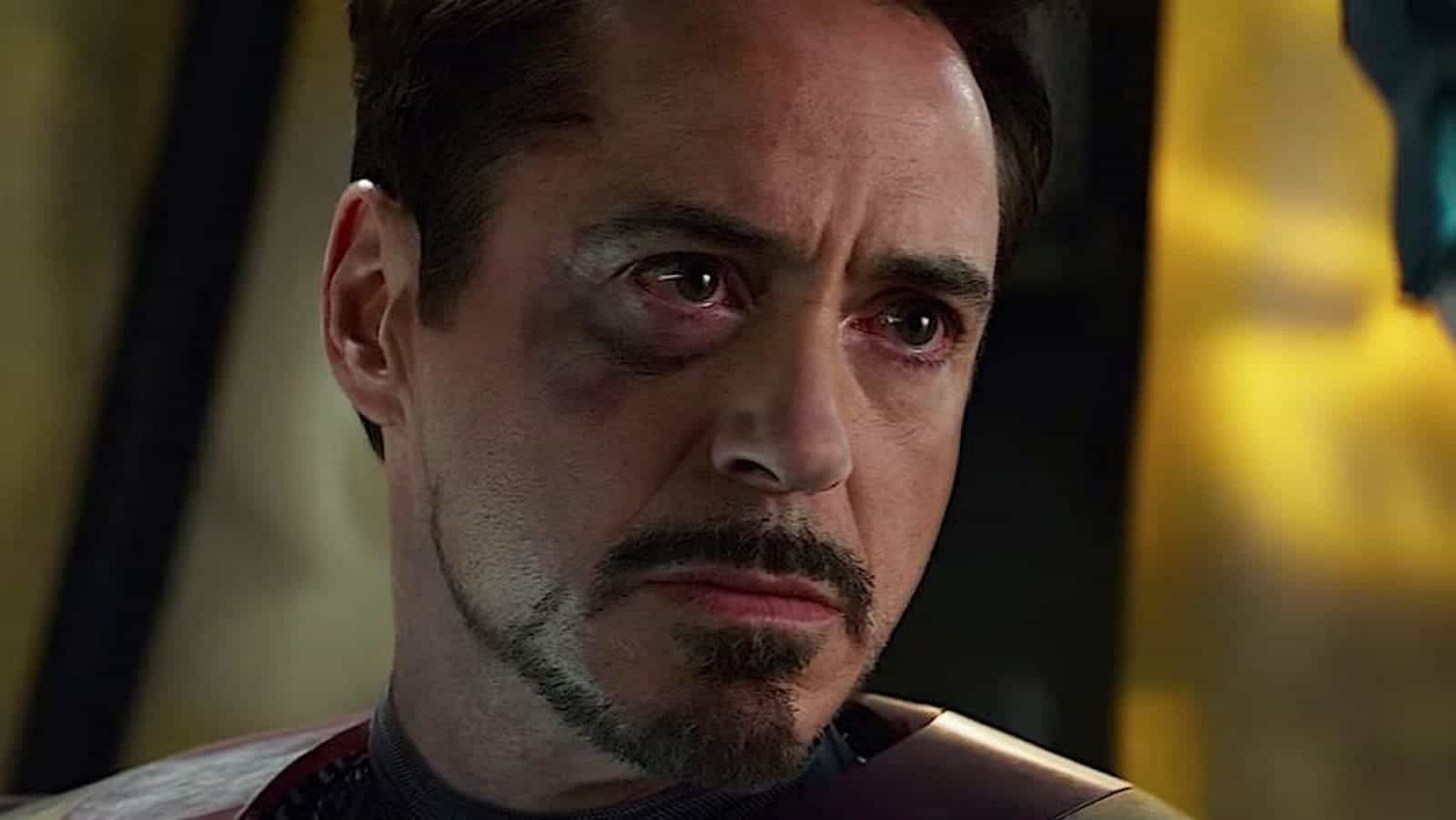
In 1979, Marvel published a storyline in which Tony Stark battled alcoholism. This turned into a pivotal moment for Iron Man, though the MCU severely downplayed his alcohol addiction in Iron Man 2.
1. Thanos’ Motivation
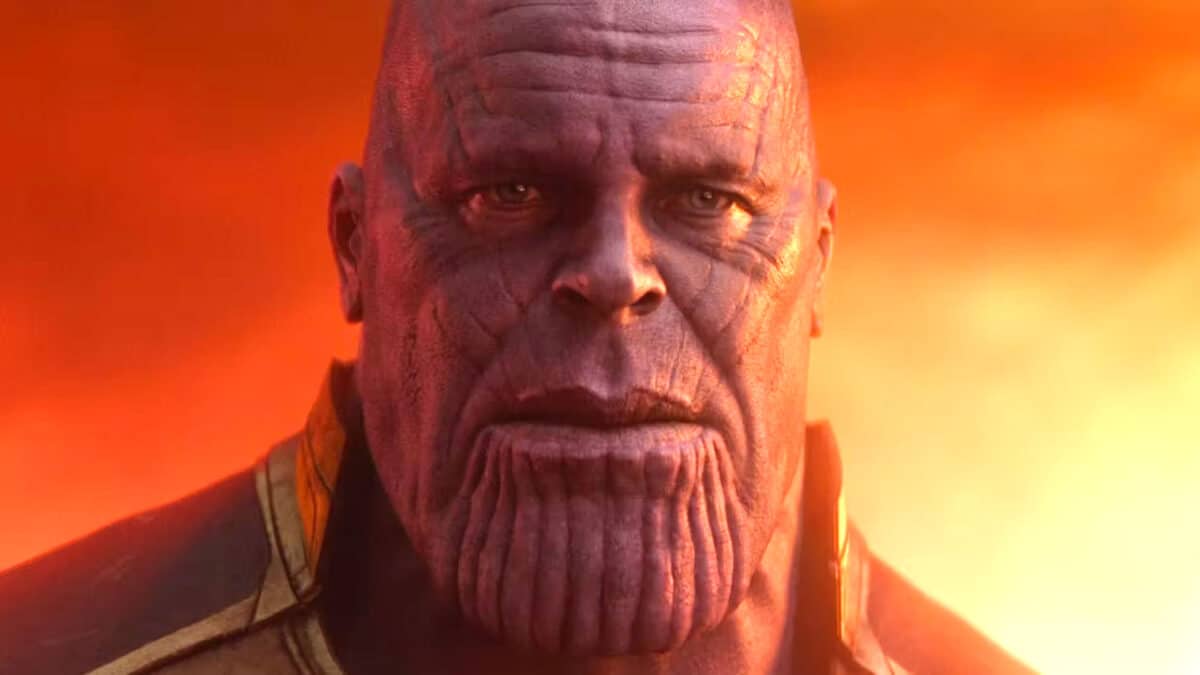
Thanos in the movies is a true villain philosopher with a twisted idea on how to save the universe from itself. In the comics, he’s a much less complex bad guy: one who just wants to make half of the universe disappear because he has a crush on Death herself.
RELATED: Disney’s 2026 Slate Is Loaded: Every Marvel, Star Wars, Pixar & Disney+ Release You Need to Know