
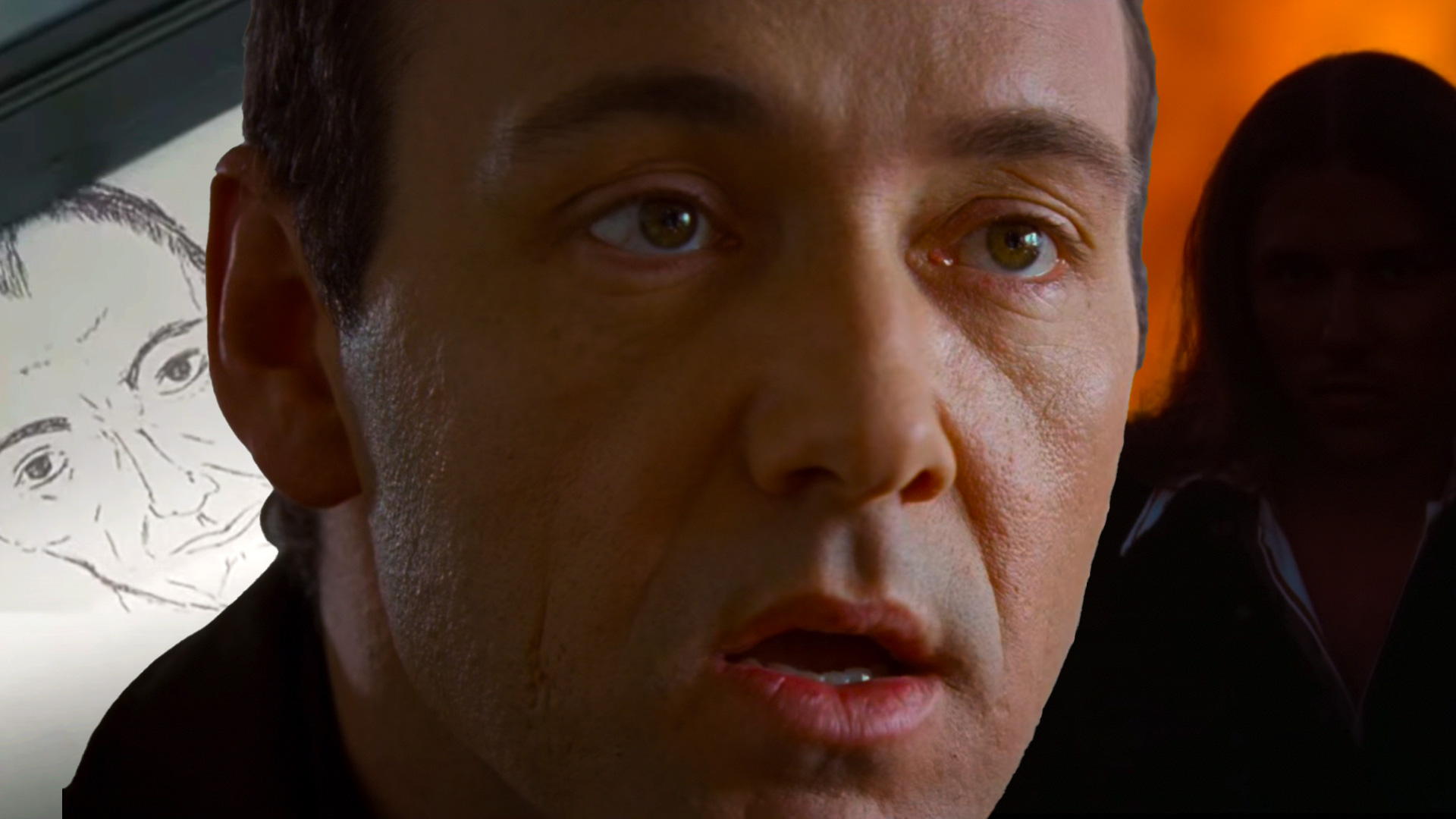


The Usual Suspects just landed on HBO Max — and a whole new generation of viewers is about to watch one of cinema’s most celebrated twist endings for the first time. Before you do: everything you think you know about Keyser Söze is wrong. The greatest trick the devil ever pulled wasn’t convincing the world he didn’t exist. It was convincing you that Verbal Kint was him.
There’s a quote from The Usual Suspects that I love – “The greatest trick the devil ever pulled was convincing the world he did not exist.” It perfectly encapsulates the mysterious (and menacing) nature of Keyser Söze, the enigmatic mastermind behind the film’s crime spree. In the film, everyone knows who Keyser Söze is – at least his reputation. The real identity of the career criminal is a mystery that no one could actually piece together in the movie’s plot. The same can’t be said for us viewers: we got a clear glance at someone who, most likely, was the real Keyser Söze all along. Or at least, we thought so. For nearly three decades.
Who Is the Real Keyser Söze in The Usual Suspects?
Spoiler alert for a thirty-year-old movie, but Verbal Kint, Kevin Spacey’s character, was Söze all along. Though the film never explicitly states he is the actual Keyser Söze, it’s something that we, as viewers, can easily deduce. The ending shows Verbal dropping his limping act and boarding a ride to freedom alongside Söze’s trusty companion, Kobayashi. It’s clear the movie wants us to think that Verbal was Söze. The only problem is that if we took that final scene at face value, we’d be as gullible as Agent Kujan. If there’s something that The Usual Suspects excels at is creating red herrings, not only for the film’s characters – but also for the viewer.
What we see at the end of The Usual Suspects isn’t Verbal Kint revealing himself as a criminal mastermind – we’re looking at the real Keyser Söze driving one of his accomplices away from police custody. All this time, the enigmatic Kobayashi was Keyser Söze, and that conclusion makes perfect sense once you take a look at what we know about the film’s puppet master.
Why Verbal Kint Can’t Be Keyser Söze
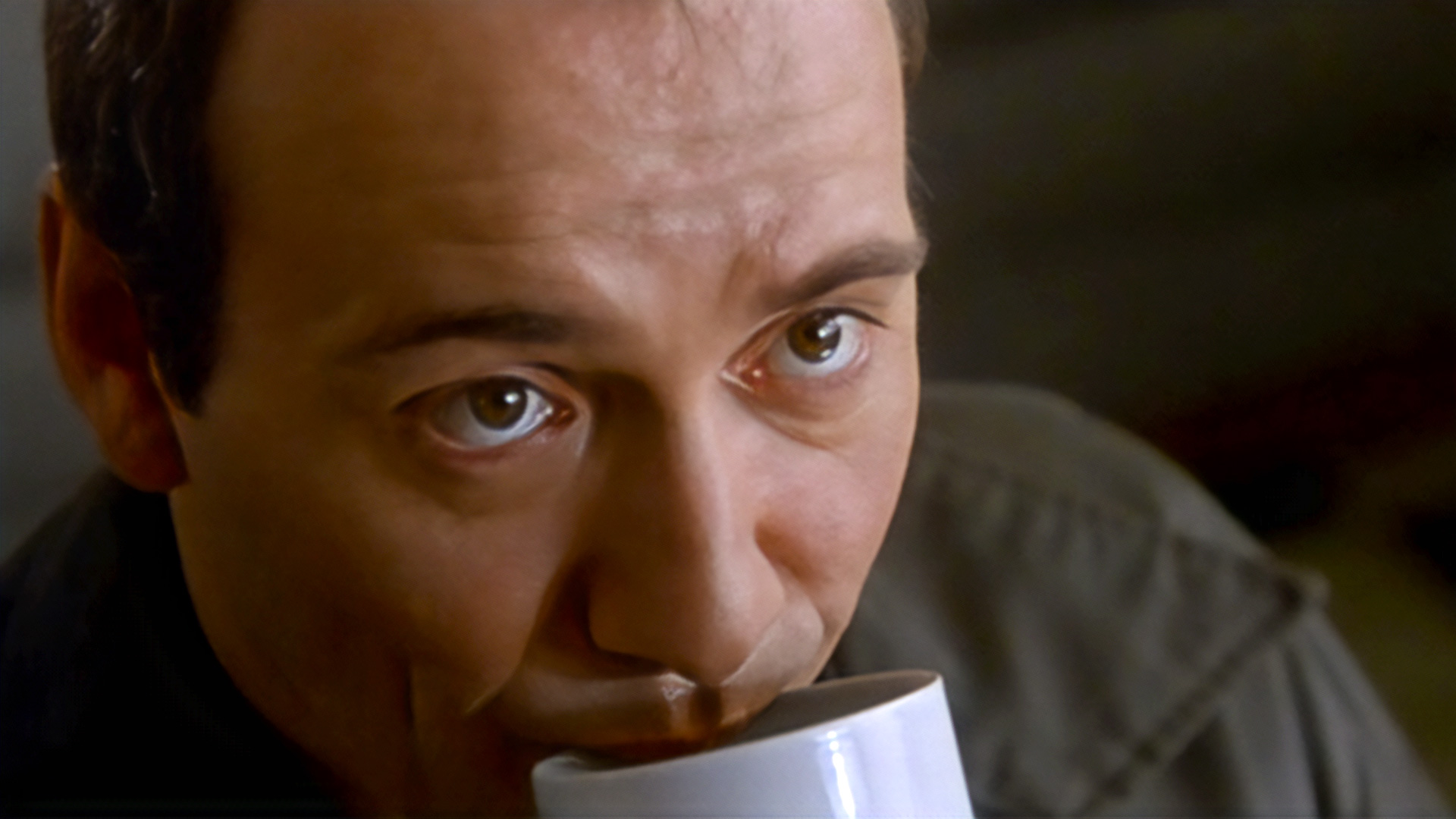
Let’s go over what we know about Keyser Söze. The movie explicitly states that Söze is, for lack of a better definition, not a very nice guy. Verbal tells Kujan that Söze allegedly killed most of his family, just so the Hungarian mafia wouldn’t have any leverage on him. It’s clear that Söze isn’t a fan of half-measures. However, there’s something about Verbal’s story that doesn’t make much sense. After the untimely demise of Söze’s family, the future criminal mastermind would go into hiding for a prolonged time, eventually emerging as the underworld boss the movie paints him as.
Considering Kevin Spacey was around 34 when he filmed The Usual Suspects, it doesn’t make much sense for such a young character to be a widow, mafia boss, and also a near-mythological figure. It would take decades to build the kind of reputation Söze enjoyed. That only makes it more likely that Kobayashi – not Verbal – was Keyser Söze all this time.
The Evidence That Points to Kobayashi
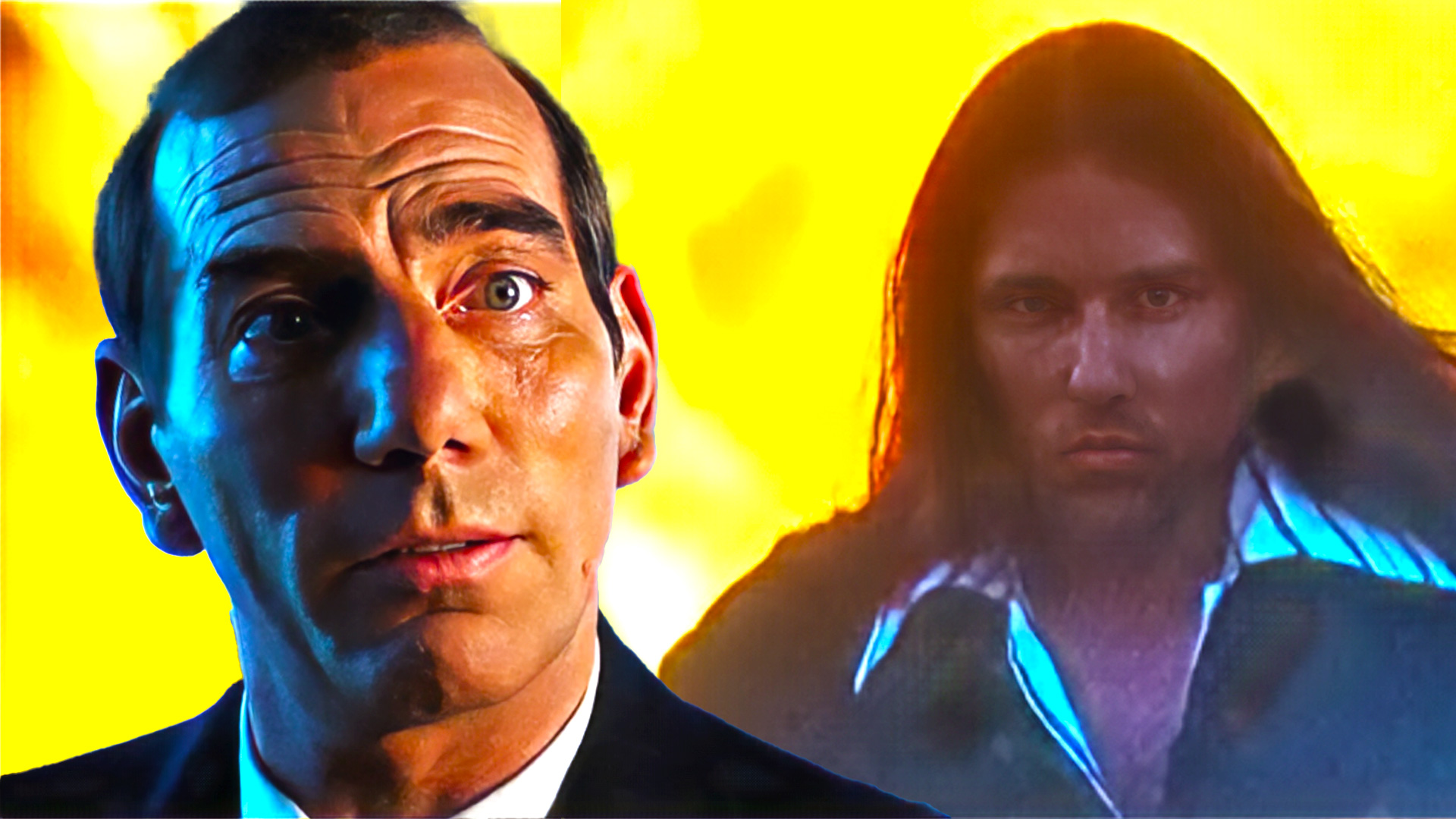
Die-hard fans of The Usual Suspects will surely know that ‘Kobayashi’ is the brand of Detective Kujan’s cup. The fact that Verbal mentions him is just another of his clever lies, mixing fact with fiction to divert the agents’ attention. There are even some theories claiming that Kobayashi doesn’t exist. The existence of ‘Kobayashi’ might be somewhat of a hot topic, but we know for sure that Pete Postlethwaite’s character is real. However, him being the real Keyser Söze sounds like the most plausible explanation for this whole mystery.
Postlethwaite’s age fits with Keyser Söze’s description, not to mention that he even has a passing resemblance with the iconic police sketch we see in the film. That’s why his character, this ‘Kobayashi’ lawyer, appears in the final scene of The Usual Suspects. That conclusion presents us with the real Keyser Söze after all – he just isn’t the devil we thought he was.
Did Bryan Singer Confirm Who Keyser Söze Really Is?
The most obvious objection to this theory is Bryan Singer himself. Singer has stated in interviews that Verbal Kint is Keyser Söze — full stop, case closed, Word of God. But here’s the thing: The Usual Suspects is a film built entirely on the premise that you cannot trust the narrator. The entire movie is an argument against taking anything at face value.
Screenwriter Christopher McQuarrie, who won the Academy Award for Best Original Screenplay for this film, has been more circumspect over the years, acknowledging that the movie was designed to leave room for interpretation.
And there’s a literary precedent worth noting. The Kobayashi-as-Söze reading maps almost perfectly onto Agatha Christie’s The Secret Adversary, in which the criminal mastermind “Mr. Brown” operates not as the obvious suspect but as an overlooked subordinate — hiding in plain sight at his own meetings, dismissed as a flunky while running the entire operation. Christie drew that model from real-world espionage. Singer and McQuarrie, whether consciously or not, built the same architecture into The Usual Suspects.
Verbal’s genius — if he is Söze — is that he told the truth about Kobayashi while lying about everything else. Kobayashi is real, the final scene confirms it. The only question is who was driving.
The Usual Suspects is streaming on HBO Max now. Watch the final scene again. Watch where Kobayashi’s eyes go before he pulls away from the curb.
RELATED: The 13 Best Movie Plot Twists In Movie History
Tell us, do you think Kobayashi was actually Keyser Söze and not Verbal Kint?










I read somewhere the director came out and said kent was soze. However , what i deduced from the film is that kent is pegged as the scam artist who plays the short con. I believe kent started the rumor of soze as part of a long con. There was never a real person named soze, there was only verbal kent, the conman, the storytelller.
Kobayashi as Soze fits the real and unacknowledged inspiration for the Usual Suspects, Agatha Christie’s novel The Secret Adversary in which the prototype of this sort of character, Mister Brown, leads a double life and appears not as the boss but as his underling in various settings, able to flit in and out of meetings as an overlooked flunky rather than the focus of the investigation.
It’s used in real life as well which is where Christie took her own inspiration.
One more thing, like criminal profiling, the signature of a crime and the use of metalloid poisoning mistaken for disease, for which we can praise Agatha Christie.
I’ve always wondered that because Kobayashi gives Verbal an ” is it done?” Look before they drive off.