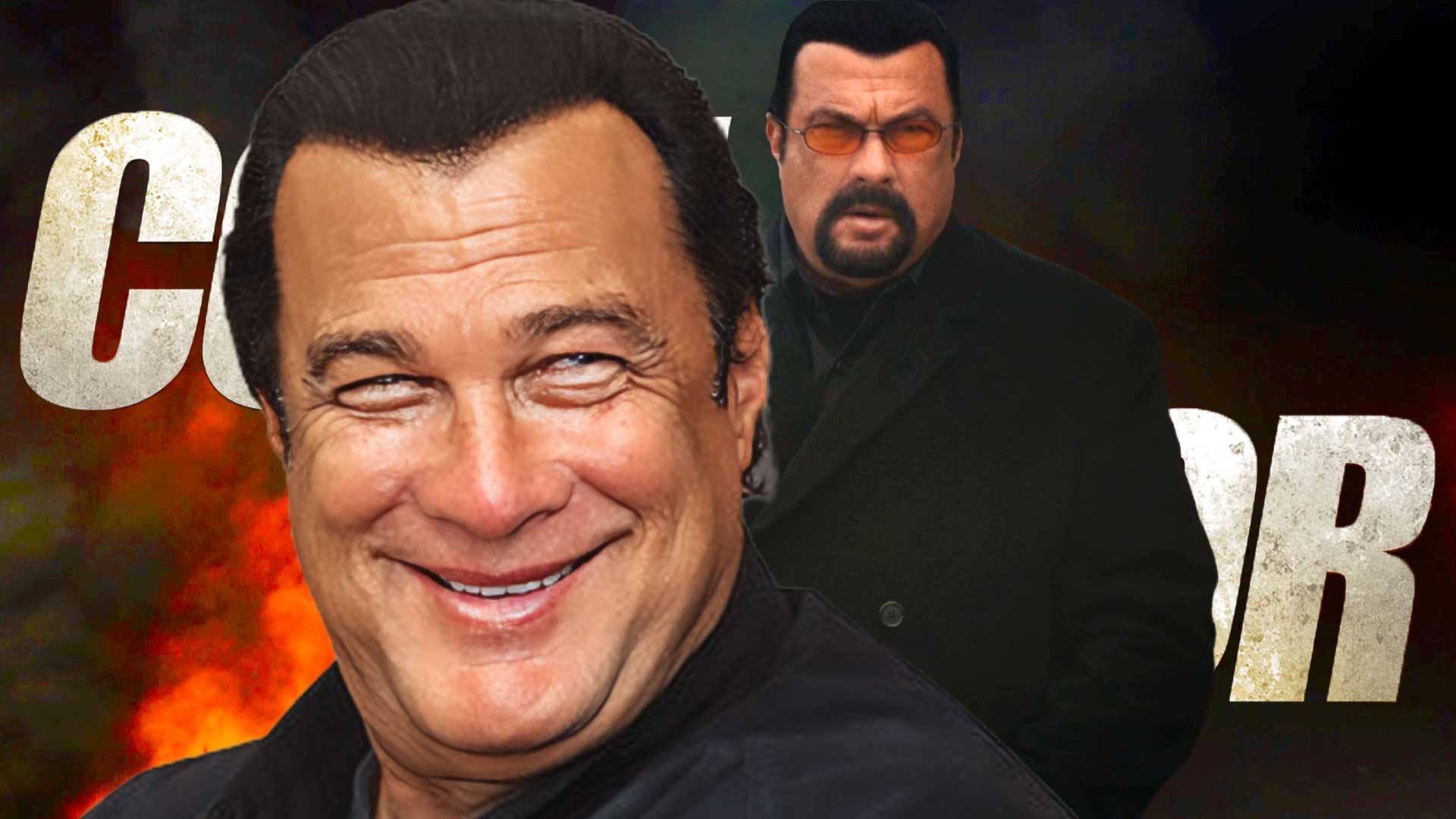


By the late 1990s, Steven Seagal’s career as an action star nosedived and barely recovered – even if he’s staging his own Temu version of The Expendables in 2026. Okay, he did manage to pull off a few decent action movies, such as Exit Wounds and the otherwise awkwardly titled Pistol Whipped. But Seagal’s filmography post-Under Siege has been wildly inconsistent, to the point that most of his direct-to-video features are either bad or simply unwatchable. And yet, his movies were churned out between the 2000s and 2010s before he became a persona non grata from the combined factors of increasingly physical decline, a long history of sexual misconduct and abuse allegations, along with his controversial pro-Russian stance.
In 2016 alone, he had six movies out in a single year: Code of Honor, Sniper Special Ops, The Asian Connection, End of a Gun, Contract to Kill, and The Perfect Weapon. Now, let’s talk about Code of Honor, a C-grade action thriller written and directed by Michael Winnick. The story goes like this: The puffy-looking Seagal plays Robert Sikes, an ex-special ops operative turned “super vigilante” after his wife and son were killed by a drive-by shooting. He has since operated a one-man army mission, taking down criminals in the city. A local detective (Louis Mandylor) is investigating the case, and there’s William Porter (Craig Sheffer), an FBI agent who used to be Sikes’ protégé, equally active in tracking him down.
The premise alone may sound like a straightforward vigilante-themed action thriller, but the execution is plain bad right from the get-go. One of the most glaring flaws is the CGI bullet wounds, and while it’s understandable that a direct-to-video movie like Code of Honor has a limited budget, making it impossible for the filmmakers to afford practical bullet squibs. This typically resulted in the filmmakers cutting down costs by relying on CGI.
Sure, CGI blood and bullet wounds may have been common even for a major studio production, but the ones displayed in Code of Honor are poorly rendered in overly obvious digital fakery. It just takes away the illusion of verisimilitude after watching the bad guys getting shot. Take the nighttime opening scene, for instance: Robert Sikes is on the top of an industrial silo, all geared up with an assault sniper rifle, gunning down the criminals on the ground from the vantage point. The digital blood splatter from the gunshot wounds is straight out of a low-rent quality.
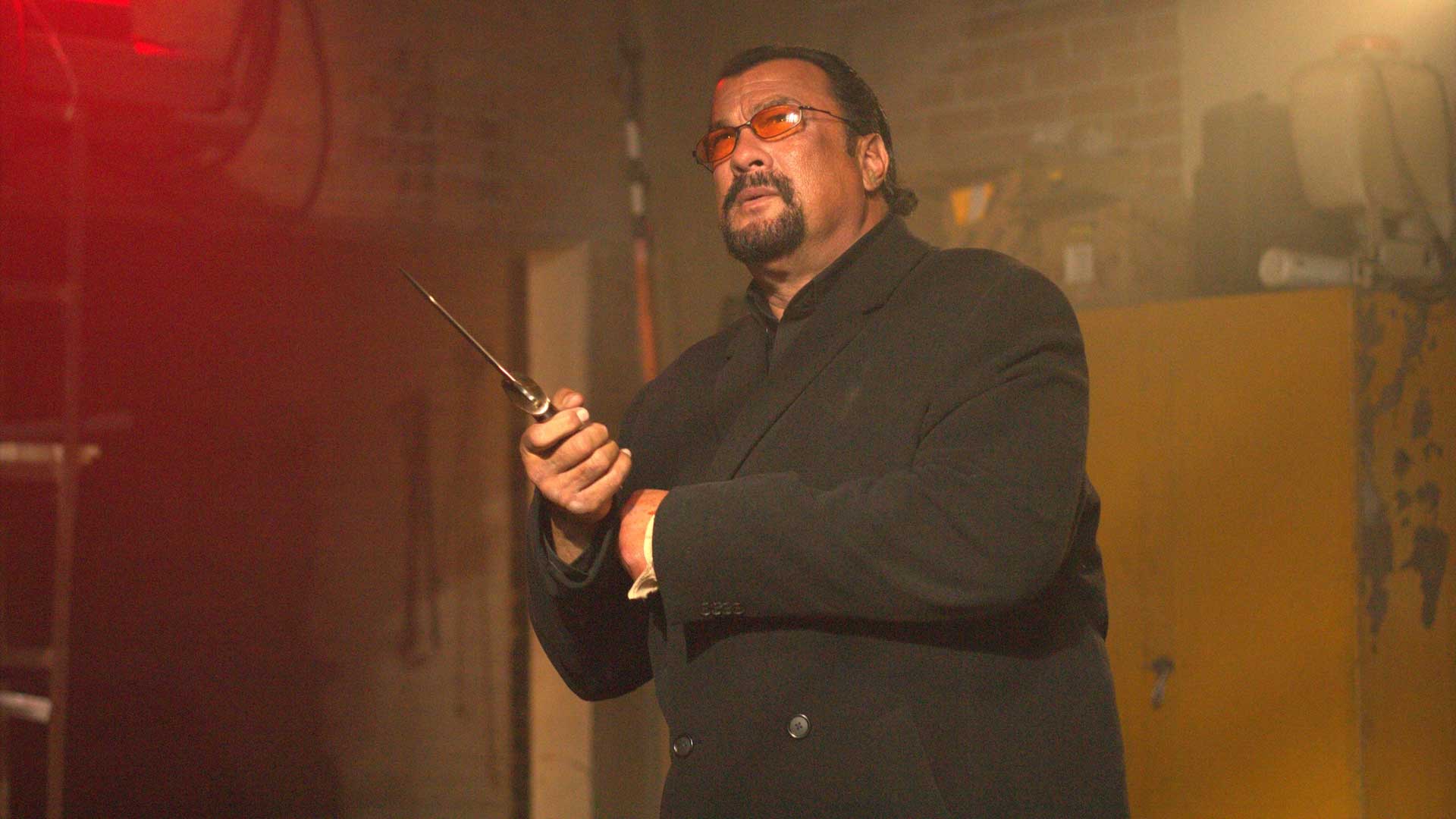
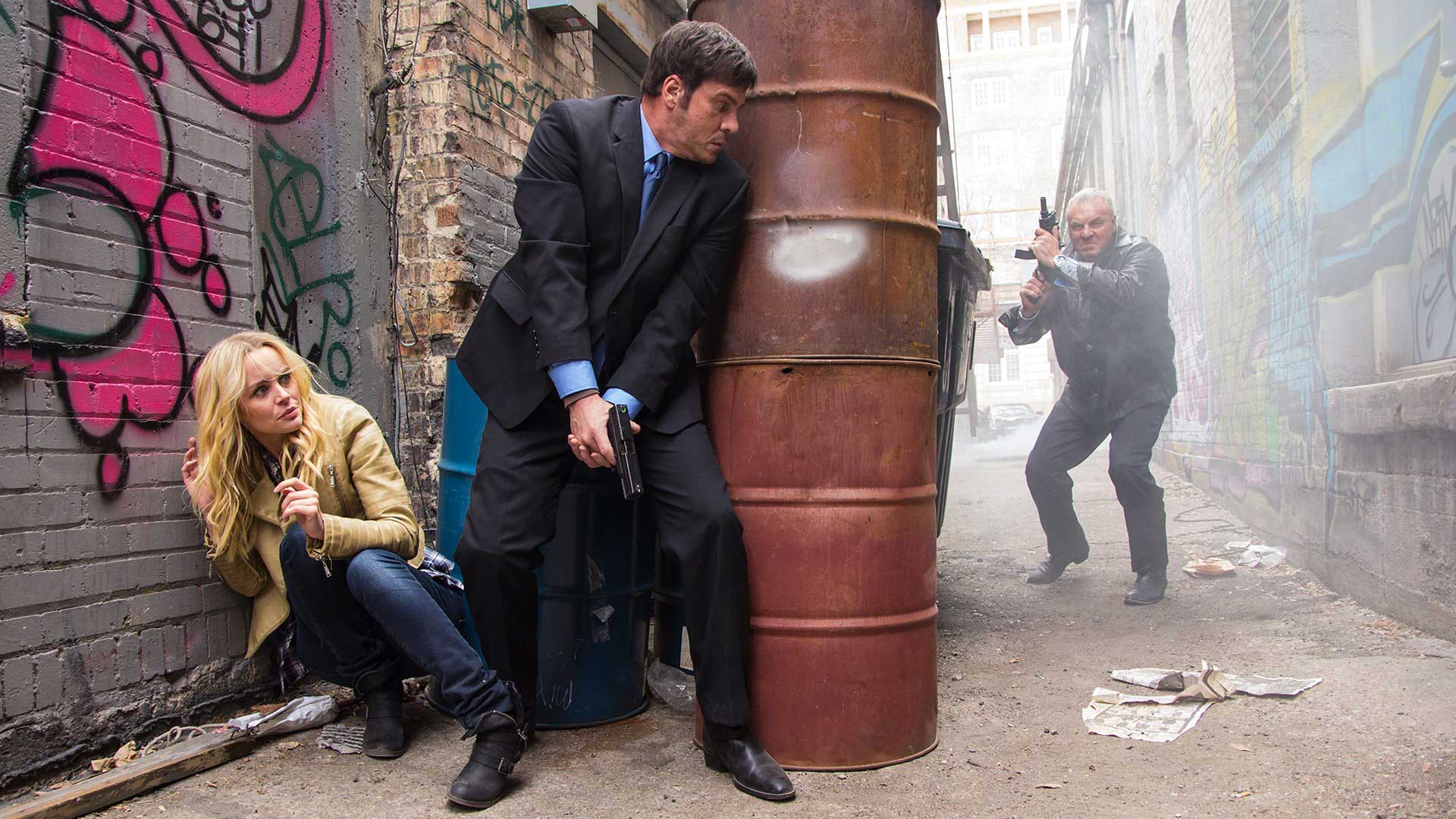
The rest of the movie is like rinse and repeat: Robert shows up at the right time, gunning down more criminals, even at one point when they are already being apprehended by the police officers. He also kills an unarmed pimp on the street, and around 50 minutes or so, he saves Agent Porter’s life in the back alley after shooting the bad guy point-blank at the back of the head. That CGI blood burst into a splattering motion from the bad guy’s head, and the randomly odd bright red blotch appeared in a split second on his face? The effect is so unbelievably shoddy, like a botched-up job of an inexperienced amateur filmmaker, making me wonder whether the estimated production budget between $5-8 million isn’t enough for Winnick to at least get the CGI bullet wounds to look right on the screen.
The CGI isn’t the only thing hampering this Steven Seagal movie. The overall acting is mediocre, notably Seagal’s typically slapdash acting style, who mumbles his lines, and if it weren’t for the available subtitles, I would have a hard time trying to catch what he’s trying to say. Speaking of his lines, he doesn’t say a single word until the part where he rescues Agent Porter around the halfway mark.
You still get to watch Seagal performing his aikido moves, but as with the case of his direct-to-video outputs, the hand-to-hand combat scenes are disappointingly reduced to him flailing his arms with the inconsistent combination of obvious stunt double and haphazard editing. If that’s not enough, Winnick tries to get ambitious by throwing in not one but two surprising twists in this seemingly typical action movie. One of the twists is shamelessly ripped off from a particular movie released in the late ‘90s. Too bad the execution suffers from a questionable lapse of narrative logic.
RELATED: “Pulled a Houdini” – Sylvester Stallone Says Steven Seagal Ran From Jean-Claude Van Damme Fight