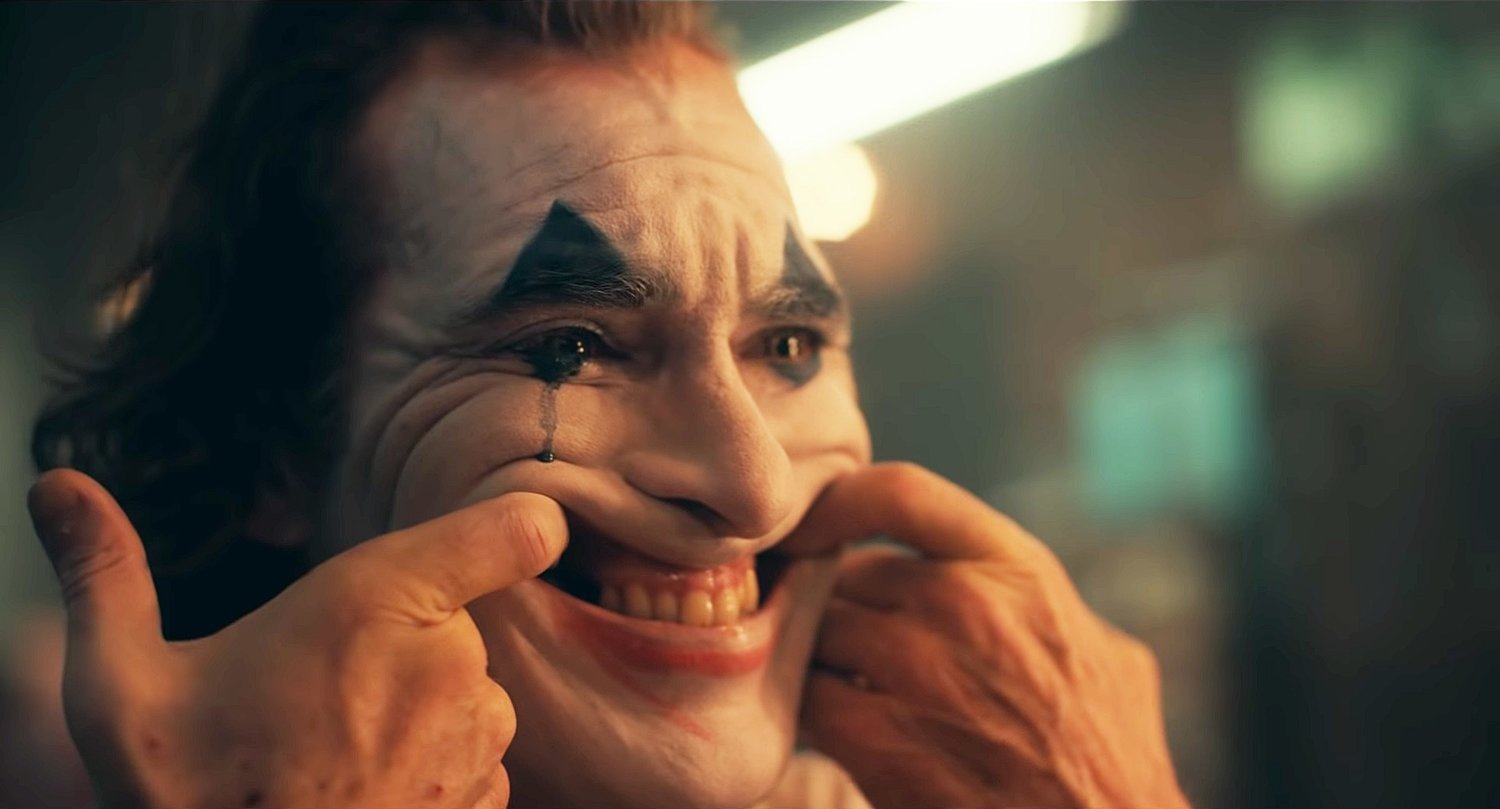


There’s film, and there’s art. Never in my wildest dreams did I ever imagine I’d be referring to Joker as the latter. This isn’t your conventional superhero affair; it’s arthouse based on one of fiction’s greatest villains.
Even before the release of Todd Phillips’ Joker, much of the chatter surrounded the purpose of the movie and portrayal of the character. Some presumed that any sympathy for the devil would inspire a host of real-life copycat crimes. Amazingly, in 2019, entertainment is still blamed for people’s actions, while fascist ideologies of censorship are still tolerated if it’s neatly packaged as concern.
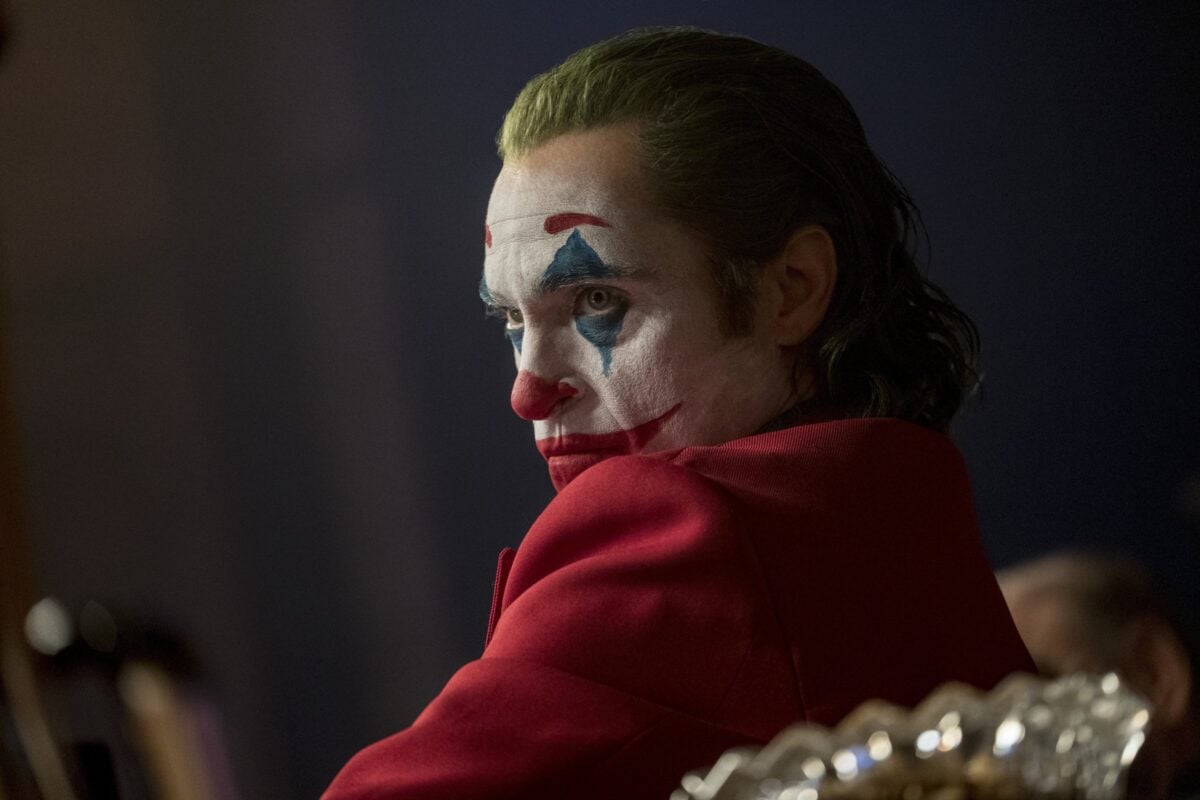
The good news is, Joaquin Phoenix’s Arthur Fleck/Joker is no hero. Instead, it’s an exploration of what happens when society fails to address its issues and the anger boils to the surface. While Arthur’s history shocks and plays a part in his transformation, it’s evident that he needed major psychological help from the get-go but wandered around for years as the authorities failed to act.
In many ways, it isn’t dissimilar from the Life Esidimeni tragedy in South Africa, as the sheer callousness of the authorities failed to prevent it. Joker rolls the ball back into the public office’s court and asks why are we allowed to become as damaged as this in the first place?
Don’t expect to walk into this film and see battles between heroes and villains or superpowered beatdowns. No, this is a character study that utilises an array of clever filmmaking techniques to draw you in. In fact, the lack of action might put off those who don’t appreciate a good art film.
Phillips frames the grimy Gotham City through the eyes of Arthur Fleck, thanks to cinematographer Lawrence Sher’s old-school-inspired aesthetic. Whether Arthur’s perceptions are true or not is irrelevant here, as it’s his own truth.
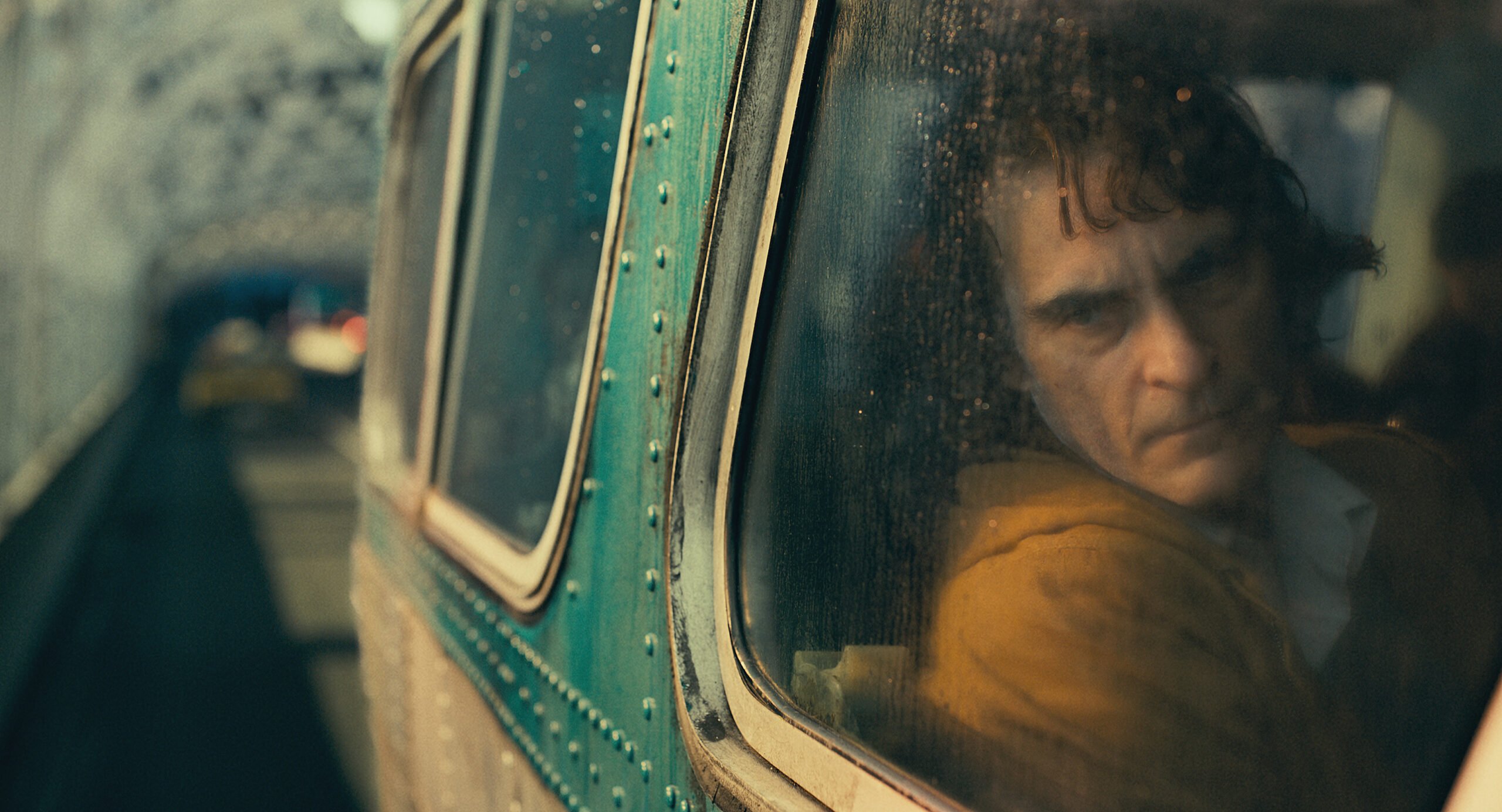
What is important to take note of is, the theme of transformation or degeneration, which takes place over the course of the film. This is where the technical execution astounds.
Inspired by the overarching theme, composer Hildur Guðnadóttir’s score grows in stature throughout the film. It’s manic at first, but it makes sense why those choices were made by the end of it all.
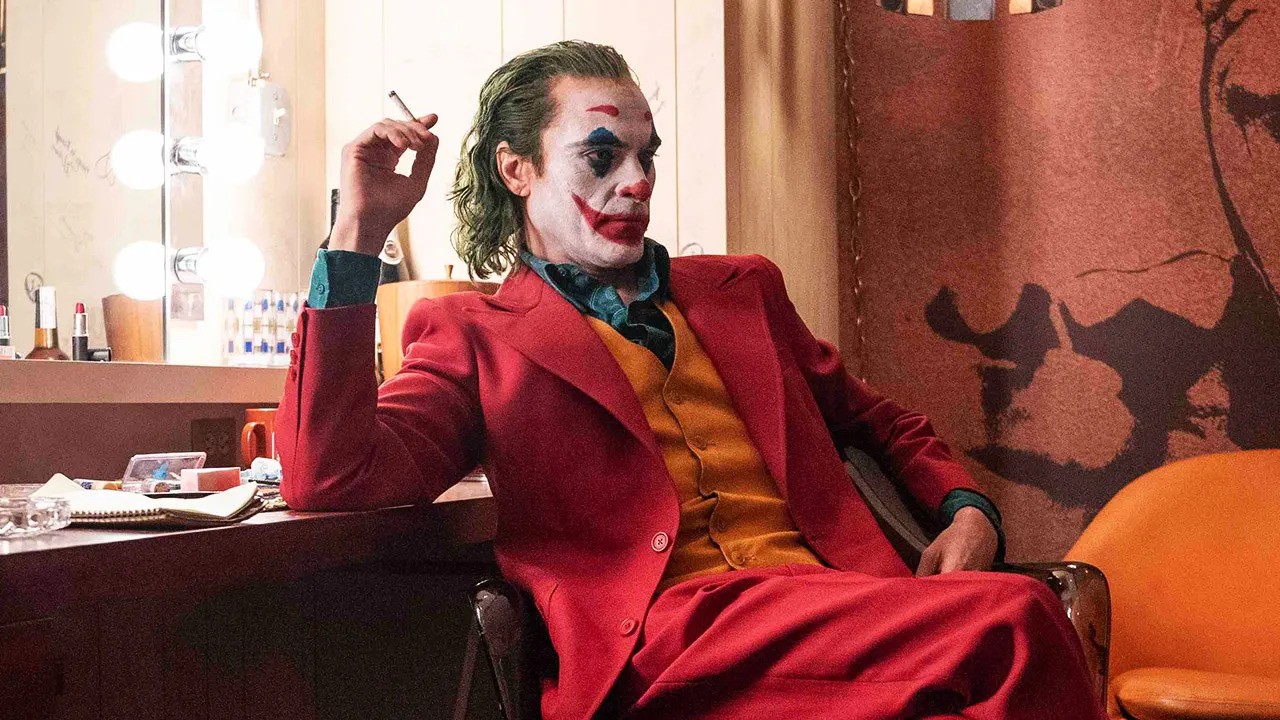
Of course, none of this fancy technical work would mean a damn thing if the performances weren’t up to scratch. While every cast member does their job here, it’s Phoenix who mesmerises. His performance is unnerving, haunting and spectacular.
You’ll quiver at the awkwardness of his character and his initial dancing (a play on his desire to be the centre of attention), while you’ll be spellbound by how he develops in stature and confidence by the end. It’s like ballet, in the way that he uses his body to convey every nuance and emotion. If Phoenix doesn’t get nominated for an Oscar for this performance, it’ll be nothing short of a travesty.
What’s even more remarkable about Joker is how it can operate as a standalone film or something more. There’s a part of me that would love to see more of Phoenix’s Joker in the future, but then there’s the fear that it might take away from what’s been done here.
Phillips’ Joker is the type of film that every auteur dreams of. It’s incredible to think that Warner Bros. Actually had the courage to allow such a film being made from a popular IP. It’s transcending, captivating and keeps you thinking about all the other little things that make it what it is. Believe the hype and then some.
RELATED: Joker’s Most Famous Scene Actually Pays Homage To Heath Ledger’s 10 Things I Hate About You
The Review
Joker
Todd Phillips had no business making a film this good. Joker is a bleak, brilliant character study that transcends its comic book origins — and Joaquin Phoenix is terrifying in every frame.
Review Breakdown
-
Verdict