
The millennium era saw David Lynch bounce back with Mulholland Drive after experiencing an erratic career in the 1990s, from getting booed at the 1992 Cannes Film Festival for his Twin Peaks: Fire Walk with Me backlash, to making a highly polarizing Lost Highway which Siskel & Ebert even gave “two thumbs down”.
Twenty-five years ago, David Lynch took us on a dark, surrealistic trip to Mulholland Drive, which served as the title and the famous, sinuous Southern California road on the mountainside. It opened in US theaters on October 12, 2001, following its Cannes premiere that May. The movie marked his comeback that not only earned him a shared Best Director award at Cannes (with Joel Coen for The Man Who Wasn’t There) but also an Oscar nomination in the same category, even though he lost to Ron Howard for A Beautiful Mind.
To this day, I feel the Academy favored a traditionally safer choice like Howard, whose A Beautiful Mind was more of an Oscar bait to take home the coveted award instead of honoring the bold artistic integrity that Lynch brought into his 2001 masterpiece; Howard was the frontrunner after winning the Directors Guild award, but to many fans it remains one of the biggest snubs in Oscar history.
It was sadly the last time Lynch received an Oscar nomination for Best Director after he already lost twice in The Elephant Man and Blue Velvet in the ’80s, where the awards went to Robert Redford for Ordinary People and Oliver Stone for Platoon, respectively (the Academy did honor him with an Honorary Oscar in 2019).
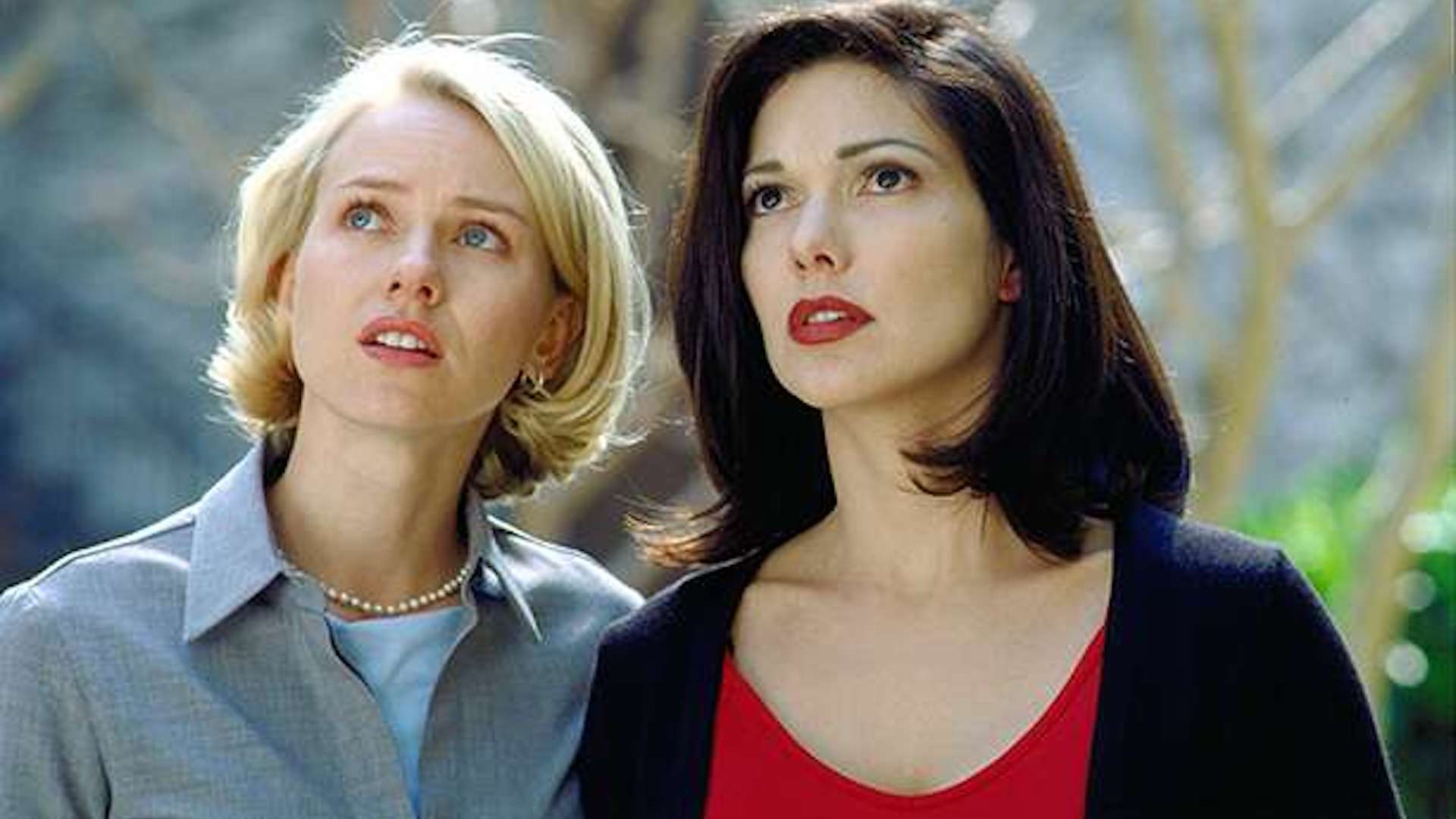
Lynch’s return to form in Mulholland Drive is a masterclass in filmmaking that embraces his signature dream-logic narrative, blending labyrinthine puzzle-box mystery with a neo-noir angle and the deconstruction of the Hollywood dream. The latter is especially true with the introduction of Betty Elms, first depicted as a naive wishful thinker with a big Hollywood ambition, before Lynch pulls a cruel twist of irony that she has been living a broken dream after all — a reality check that reveals her “Betty” is just a wishy-washy manifestation of the real and miserable Diane Selwyn.
How Mulholland Drive Saved Naomi Watts’s Hollywood Career
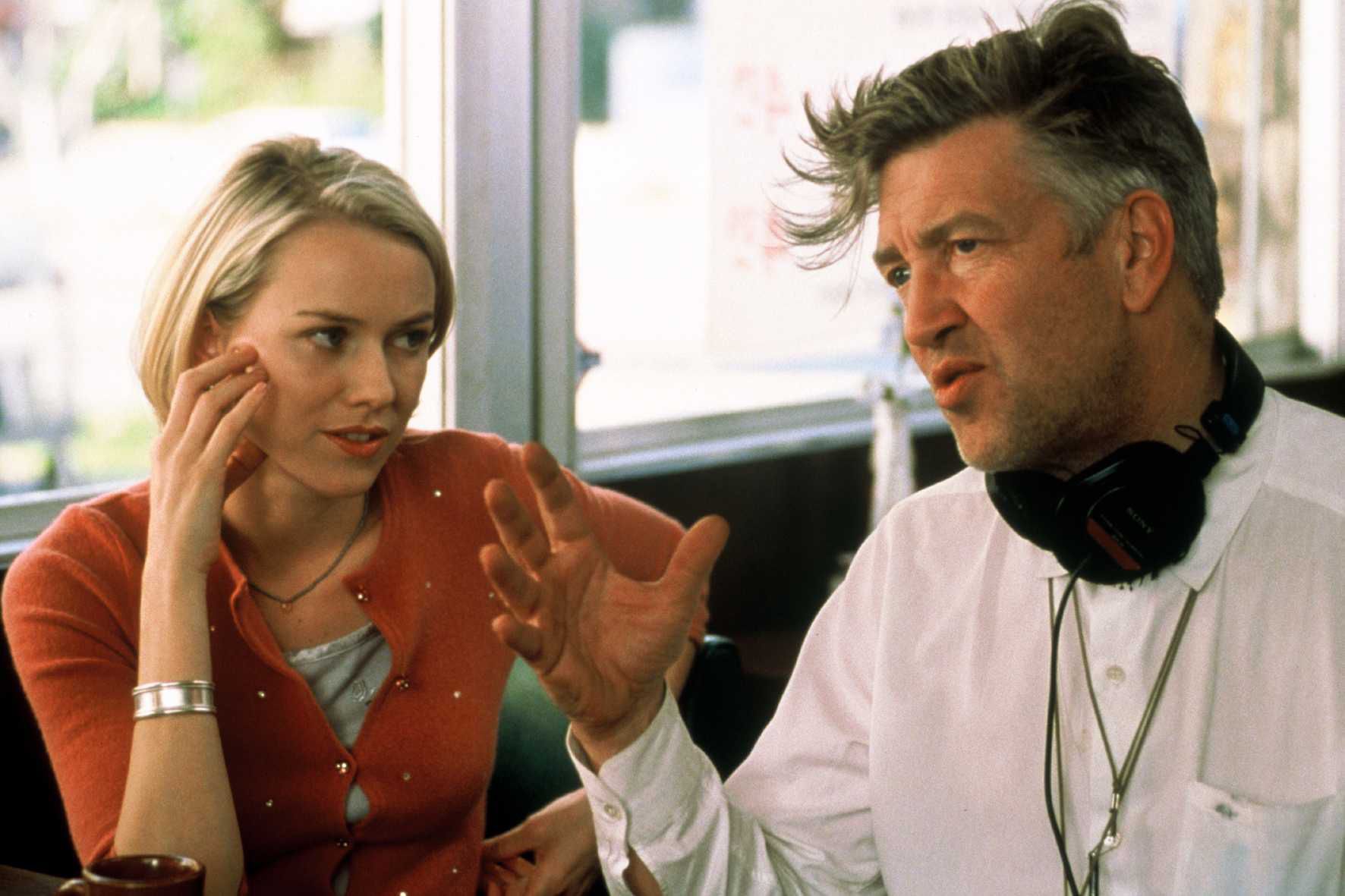
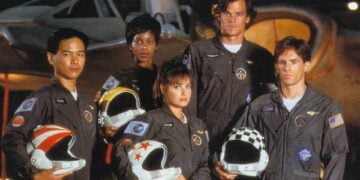
Naomi Watts’s dual performance was her breakthrough, revitalising her stagnant acting career after earlier roles like Tank Girl and Children of the Corn IV: The Gathering did more harm than good. Besides, if Lynch hadn’t cast her in Mulholland Drive, she would have left Hollywood. She even described Lynch in a 2025 interview on Live with Kelly and Mark as “very instrumental to [her]” and, in an Instagram tribute after his death, called him a “real mentor”.
Why ABC Rejected the Mulholland Drive TV Pilot
Originally, Mulholland Drive wasn’t intended to be a feature film, but rather as a pilot for a TV series. But television network ABC chose not to air his pilot, dismissing it as “too dark, slow, and confusing” despite Lynch making a compromise trimming from his initial 125-minute workprint to a more manageable roughly 90-minute length. Yet the shorter version didn’t satisfy ABC executives, and they ultimately rejected his pilot.
It wasn’t until StudioCanal picked up Lynch’s pilot, which cost about $7 million to make, from ABC and pumped in millions more to turn it into a feature-length version. Lynch went on to shoot new footage, including a new ending.
The Twin Peaks Spinoff That Became Mulholland Drive
Interestingly, the earlier idea for the pilot was meant to be a Twin Peaks spinoff, which would focus on Audrey Horne, played by Sherilyn Fenn, in the Twin Peaks series. At one point, Lynch was even considering making a standalone feature that would begin with “an opening scene of [Audrey] driving along Mulholland Drive”. Fenn’s character would be “a little bit older”, but the actress felt it was weird for the same character transitioning from TV to a movie.
But it didn’t work out as planned after ABC, which broadcast the original series’ first two seasons, wasn’t keen on continuing the Twin Peaks universe, particularly after the Season 2 ratings nosedived compared to the well-received first season.
How Transcendental Meditation Gave David Lynch His Ideas for Mulholland Drive
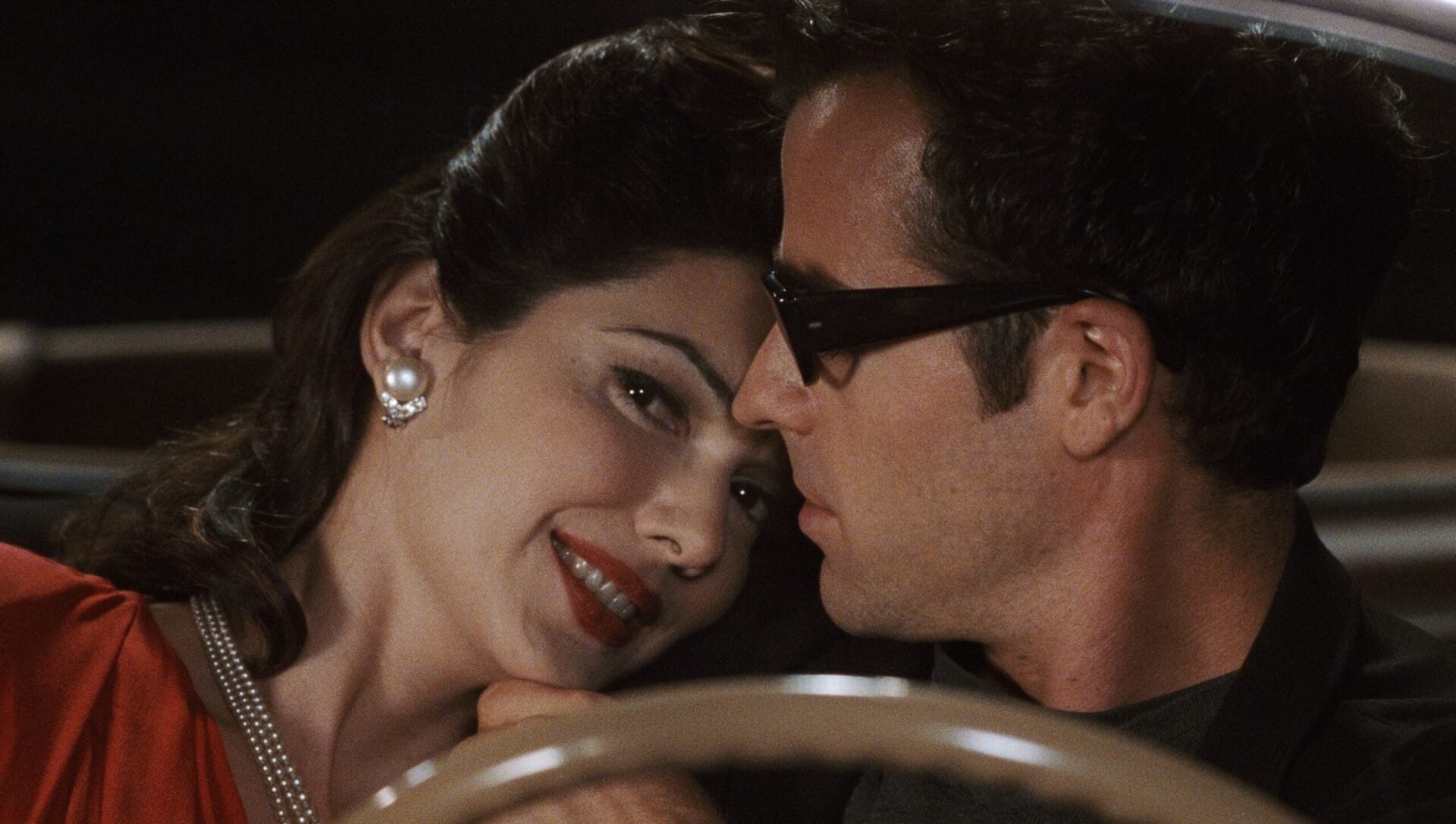
With the idea of Audrey Horne moving to Hollywood being scrapped, Lynch didn’t give up, as he reworked the story by introducing a completely new protagonist. Coming back to the feature-length version of Mulholland Drive, expanding the pilot into a movie didn’t come easy for Lynch, even stating during the interview at Festival du Film Policier – Beaune 2013 that he had “zero ideas” since “[he] just hadn’t been thinking about it” after getting the green light.
It would take a transcendental meditation session one night, and somehow all the ideas for the ending just flowed like “a string of pearls”. The meditation in question, as Lynch described, “expands consciousness”, which helped inspire creativity. Mulholland Drive wasn’t commercially successful, making only $20.1 million on a $15 million budget, but the movie became a critical darling (it holds an 83% Tomatometer score on Rotten Tomatoes) and still stands as one of David Lynch’s greatest works of his career. Lynch died in January 2025 at age 78, but the film’s standing has only grown: BBC Culture’s 2016 critics’ poll named it the best film of the 21st century, and it placed No. 2 on the New York Times’ 2025 list of the century’s 100 best movies.
RELATED: Where Is Mädchen Amick Now? The Twin Peaks Star Is Reinventing Herself Again
Where to Watch Mulholland Drive in the US
Mulholland Drive is available for rent or purchase on Apple TV, Prime Video and Fandango at Home in the US.
Mulholland Drive |
|---|
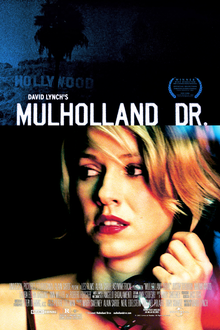
After a car wreck on Mulholland Drive renders a woman amnesiac, she and a Hollywood-hopeful search for clues and answers across Los Angeles in a twisting venture beyond dreams and reality. |
 |
|---|
| Studio: Les Films Alain Sarde, Asymmetrical Productions Babbo Inc., Le Studio Canal+, The Picture Factory, Distributed by Universal Pictures (United States) |
| Running Time: 146 minutes |
| Release Date: October 12, 2001 (United States) |
| Cast: Naomi Watts, Laura Harring, Justin Theroux, Ann Miller, Robert Forster |
| Director: David Lynch |
| Writers: David Lynch |
| Genre: Drama, Mystery, Thriller |
| Box Office: |