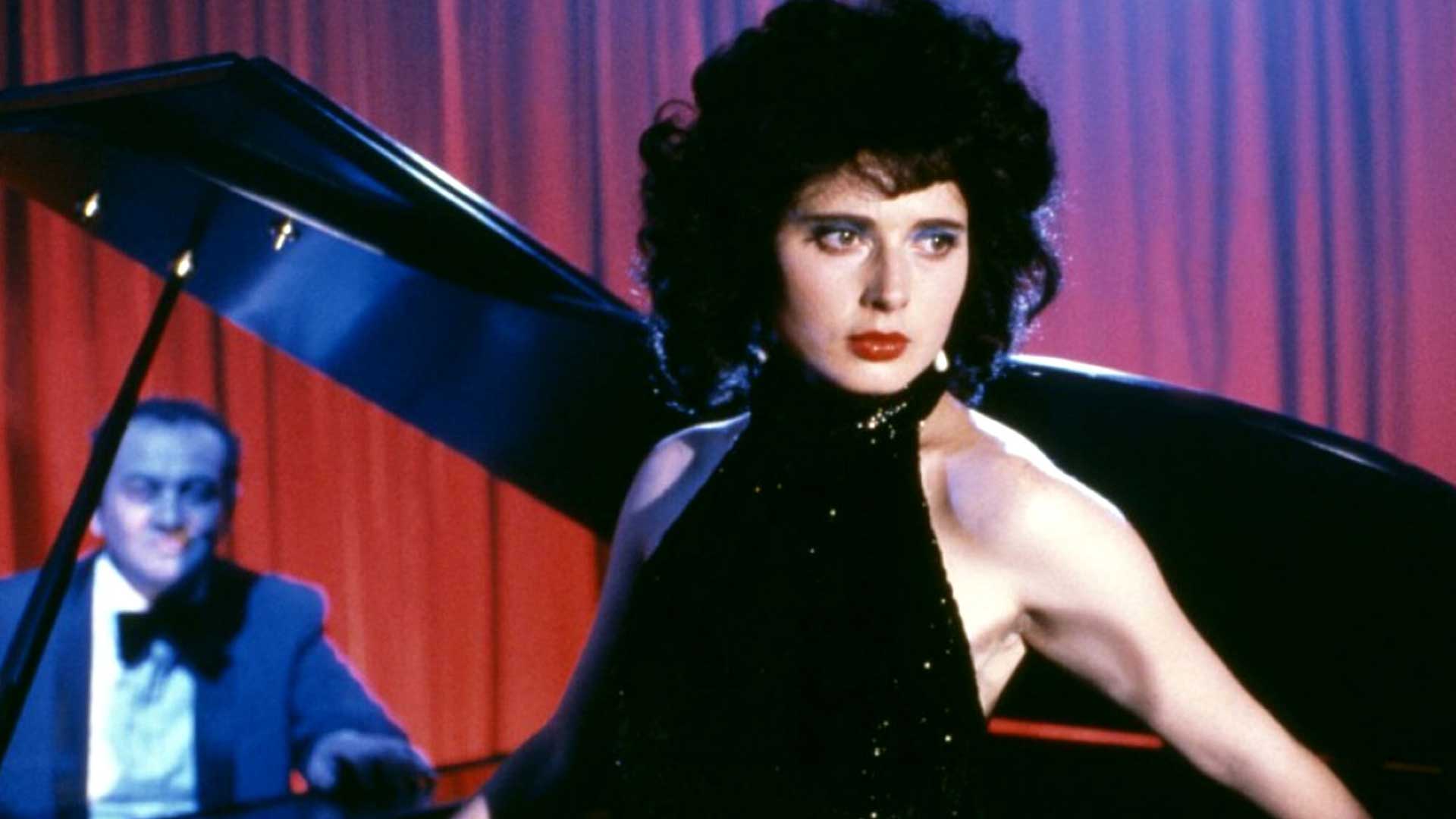


Blue Velvet turns 40 years old today. And the movie remains a masterpiece that perfected the art of Lynchian cinema, a term referring to David Lynch’s thematic choice of seemingly wholesome suburban Americana with a grim twist, told in his signature dream-logic approach. Released on September 19, 1986, to initially mixed responses, the movie has since become a cult classic and is now considered one of the director’s greatest, career-defining works. It may have been barely a hit, bringing in only $8.7 million worldwide on a $6 million budget. And yet, Blue Velvet still made its mark with numerous accolades, including an Oscar nomination for Best Director, even though Oliver Stone won for Platoon.
RELATED: The 40 Best Movies of All Time, According to Reddit
Blue Velvet’s Opening Scene Is the Perfect Introduction to Lynchian Cinema
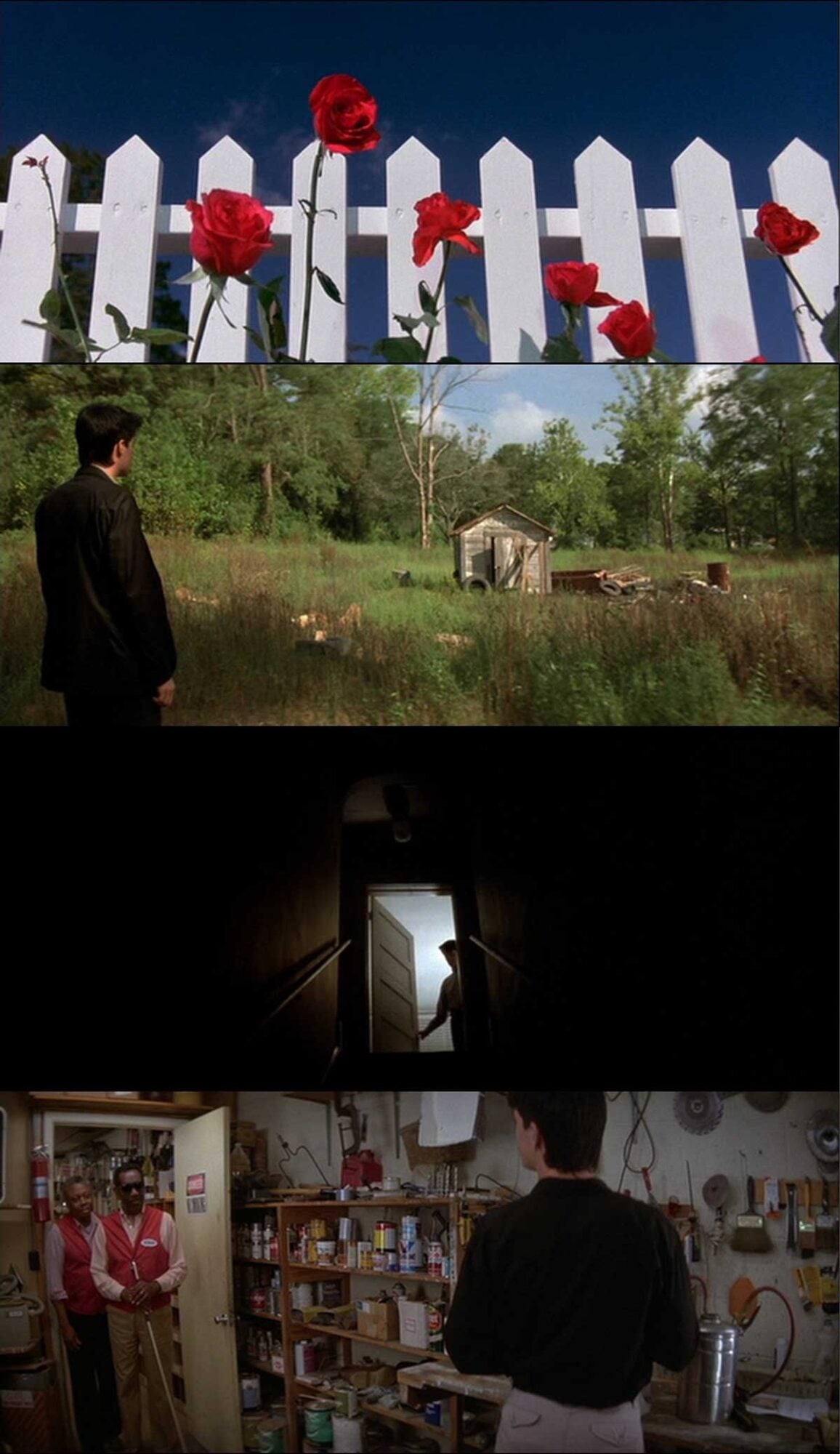
The opening stretch in Blue Velvet may last around five minutes. But this otherwise brief sequence perfectly encapsulates the contrasting style and tone between the mundane and macabre, beginning with Bobby Vinton’s silky-smooth Blue Velvet song playing against the backdrop of a dark azure sky. The following montage-filled shot showcases all things idyllic and idealistic American suburbia – bright red roses, pearly white picket fences, and a passing fire truck with friendly firefighters waving their hands.
Then, there’s an old man – Mr. Beaumont (Jack Harvey) – doing his routine of watering the yard when things go wrong at the least expected moment: a garden hose gets somewhat tangled, forcing him to yank it loose before suffering from a sudden medical condition that causes him to collapse on the ground.
Lynch frames the scene with an ironic sense of absurdity, capturing the hose spraying uncontrollably into the air while a little dog enjoys playing around, and the sight of a toddler in the background. The music fades, giving way to a deeply unsettling atmosphere as the camera dives onto the ground and travels through the bed of thick grass in close-up, revealing something dark and sinister underneath that’s swarmed by black insects.
Interestingly, Lynch crafted this opening sequence based on three unrelated ideas that had been lingering in his mind for years before he put everything together. The first one came from the director’s vague idea for Blue Velvet, where he “only had a feeling and a title” in a 1987 interview with Cineaste via The City of Absurdity. Then comes the second spark, as Lynch was specifically fascinated by an ear – a severed human ear, to be exact – which he described as “an opening [that’s] wide and can go down into somewhere vast”. The ear in question would trigger the central neo-noir mystery after Jeffrey (Kyle MacLachlan), a college student recently coming home to Lumberton following his father’s near-death experience, finds it lying on the ground.
Finally, the third stemmed from the director’s initial dislike of Bobby Vinton’s titular 1963 song, only to subsequently grow fond of it over time. The song somehow boosted his mental images that included green lawns under a dark sky and a woman’s vibrant red lips – all served as a collective mood and vivid descriptions pieced together into a scene summarizing the illusion of safety on the surface but rotten on the inside.
How Turning Down Return of the Jedi Became David Lynch’s Blessing in Disguise
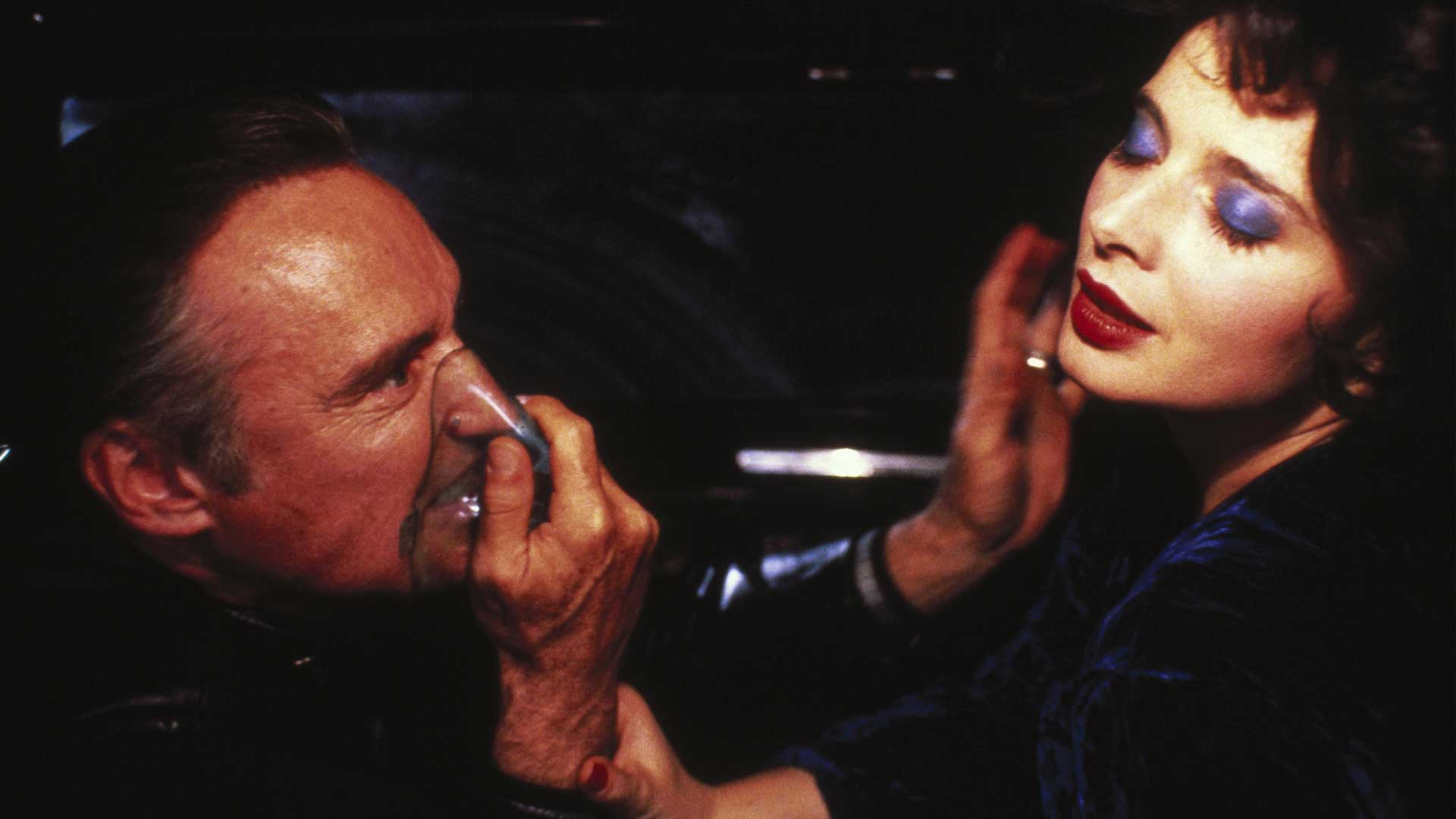
It’s hard to imagine if Blue Velvet didn’t exist at all in David Lynch’s filmography. And that’s exactly what happened back in early 1981, when George Lucas, the chief architect behind the mega-successful Star Wars and The Empire Strikes Back, was looking for the right director to complete the trilogy in a then-working title, Revenge of the Jedi, before it eventually finalized as Return of the Jedi. One of them was Richard Marquand, and the other turned out to be David Lynch.
Lucas reportedly admired the latter’s work in The Elephant Man and offered him the job. What should have been an opportunity of his lifetime ended with Lynch declining the offer because he knew that directing a Star Wars film meant he had to compromise lots of creative freedom.
But ironically, for someone who dismissed handling a studio-mandated IP, Lynch went on to direct Dune. Well, despite being given the chance to adapt the screenplay based on Frank Herbert’s 1965 novel, which allowed him to incorporate avant-garde surrealism, the production turned out to be a disaster well before it debuted in cinemas, with poor critical and financial responses in 1984.
The massive flop made Lynch disillusioned with directing a major blockbuster and had since pivoted to making independent movies. This resulted in his career comeback in Blue Velvet two years later, and come to think of it, had Lynch accepted the Return of the Jedi job over Dune, the movie probably never would have been made.
RELATED: Where Is Mädchen Amick Now? The Twin Peaks Star Is Reinventing Herself Again
Blue Velvet is currently streaming free with ads on Tubi and The Roku Channel.
Blue Velvet |
|---|
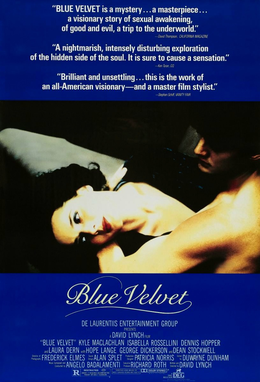
A young man finds a severed human ear that is somehow connected to a mysterious lounge singer and a group of psychopathic criminals who have kidnapped her child. |
 |
|---|
| Studio: De Laurentiis Entertainment Group |
| Running Time: 120 minutes |
| Release Date: September 19, 1986 |
| Cast: Kyle MacLachlan, Isabella Rossellini, Dennis Hopper, Laura Dern, Hope Lange, George Dickerson, Dean Stockwell |
| Director: David Lynch |
| Writers: David Lynch |
| Genre: Crime, Drama, Mystery, Thriller |
| Box Office: $8.6 million |