



Space: Above and Beyond premiered in September 1995. It had a Sunday-night slot and a sky-high budget, but weak ratings sank it after one season.
When it comes to space warfare, few authors have been as influential as Robert A. Heinlein. In 1959 (seven years before Star Trek and almost two decades before Star Wars’s debut), Heinlein published Starship Troopers. The novel was a complete revolution for science fiction, popularizing the concept of powered-armor “space marines” as we know them today. Without Heinlein’s works, we might not have Warhammer 40K, Aliens, the Gundam series – and shows like Space: Above and Beyond might never have seen the light of day. With Starship Troopers back in development at Sony under director Neill Blomkamp, it’s worth revisiting the show that beat the 1997 film to screens.
With a name that sounds like some sort of made-for-TV version of 2001: A Space Odyssey, Space was an ill-fated show that aired for just one season from 1995 to 1996. It invited comparisons to the classic Starship Troopers – well ahead of Paul Verhoeven’s film adaptation, which hadn’t even entered principal photography when the show hit the airwaves. Its creators have said their main influence was actually Joe Haldeman’s The Forever War, a novel written in response to Heinlein’s.
Set in 2063, the series followed the Wildcards, a squadron of U.S. Marine Corps space aviators played by Morgan Weisser, Kristen Cloke, Rodney Rowland and others, as they fought an alien race known as the Chigs.
Considering its two-year head start, Space: Above and Beyond could have lived on in pop culture as THE ‘90s Starship Troopers counterpart. Instead, we got a show that ended on a cliffhanger, never reached the heights of its competition, and was ultimately largely forgotten (on Rotten Tomatoes it holds a 70% Tomatometer score from 10 critic reviews and a 93% Popcornmeter score from fewer than 50 audience ratings). These are the reasons why Space couldn’t go above and beyond a single season.
The Space: Above and Beyond Five-Season Plan and Its Sky-High Budget

The show’s creators, Glen Morgan and James Wong, veterans of The X-Files, had a clear idea of where Space would go from the very start. They envisioned a show that would run for five seasons – just enough to tell the gritty, Forever War-inspired sci-fi story they wanted.
Area 51, working in LightWave 3D, provided the show’s cutting-edge sci-fi scenes. Remember, this was just two years after Jurassic Park changed the rules of CGI. To make the CG scenes look even more believable, the production team also assembled costly practical sets that rivaled feature films of the time. All this to say that, yes: Space was a very expensive show. The effects at least earned the Area 51 team a 1996 Emmy nomination for Outstanding Special Visual Effects.
Fox hoped Space would amass an audience to match The X-Files’ Nielsen ratings (that show averaged about 15.4 million viewers in the 1995–96 season); the reality was completely different.
Why Fox’s Sunday Night Slot Sank Space: Above and Beyond

Fox never really knew how to market Space. The network assigned the show to its Sunday 7:00 PM ET slot. During the fall. Straight in the middle of football season. Naturally, it was a ghost town there. It also had to compete with CBS’s ratings powerhouse 60 Minutes. NFL games often ran longer than expected, pushing the show even more into the night, and also pushing audiences farther away from ever seeing the series.
The serious tone of Space wasn’t easy to market either. The showrunners wanted a serious, dramatic space warfare narrative that was simply too ambitious for audiences familiarized with more lighthearted sci-fi serials. Not even Fox’s advertising push – including promos aimed directly at X-Files fans – helped.
How Space: Above and Beyond Ended on a Cliffhanger
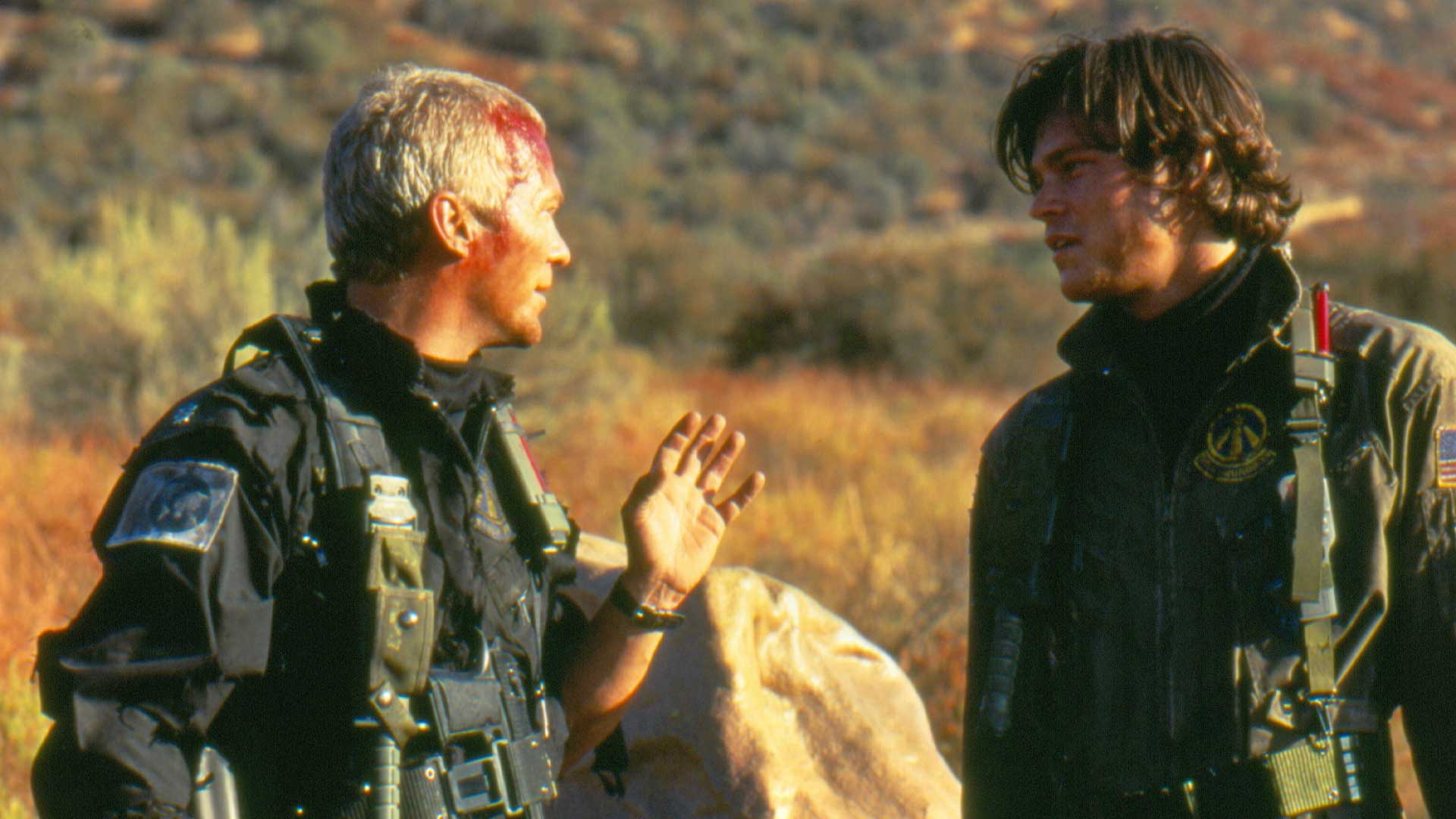
Space’s death knell could be heard for months before the show’s final episode. Knowing the end was near, Morgan and Wong concocted one last hurrah for the series. The finale was a flashy cliffhanger that saw many core characters apparently killed or missing, though it was written to work as either a cliffhanger or a series finale. It didn’t work. After 23 episodes, Space: Above and Beyond was done.
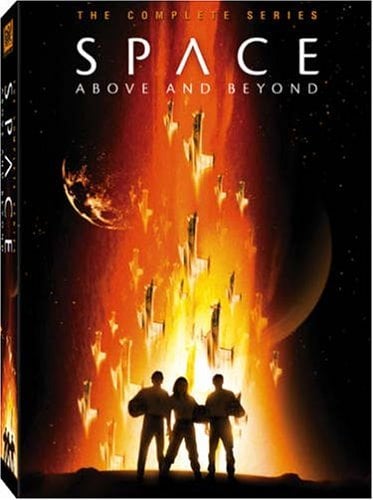
In November 2005, Fox released a DVD box set with the complete series and some goodies, but the show has not, to our knowledge, been made available in high definition. Morgan and Wong would later go on to work on the X-Files reboot, but no Space revival has been announced. In the end, Space: Above and Beyond became a footnote in sci-fi history that, as ambitious as it was, never quite mastered the same formula that turned X-Files or Star Trek into the massive successes we know and love.
RELATED: As Ryan Coogler’s X-Files Reboot Heats Up, Remember the Spinoff Fox Buried
Currently, Space: Above and Beyond isn’t listed on any major U.S. subscription streaming service. However, the complete series is available on DVD, though the set is reportedly out of print.
Space: Above and Beyond |
|---|
The Earth is embroiled in a desperate war against alien invaders, and this series focuses on one squadron of Marine pilots involved in it. |
 |
|---|
| Creator: Glen Morgan, James Wong |
| Cast: Lanei Chapman, Kristen Cloke, Joel de la Fuente, James Morrison, Rodney Rowland, Morgan Weisser |
| Genre: Sci-Fi, Thriller, Mystery |
| Number of Seasons: 1 |
| Streaming Service: N/A |