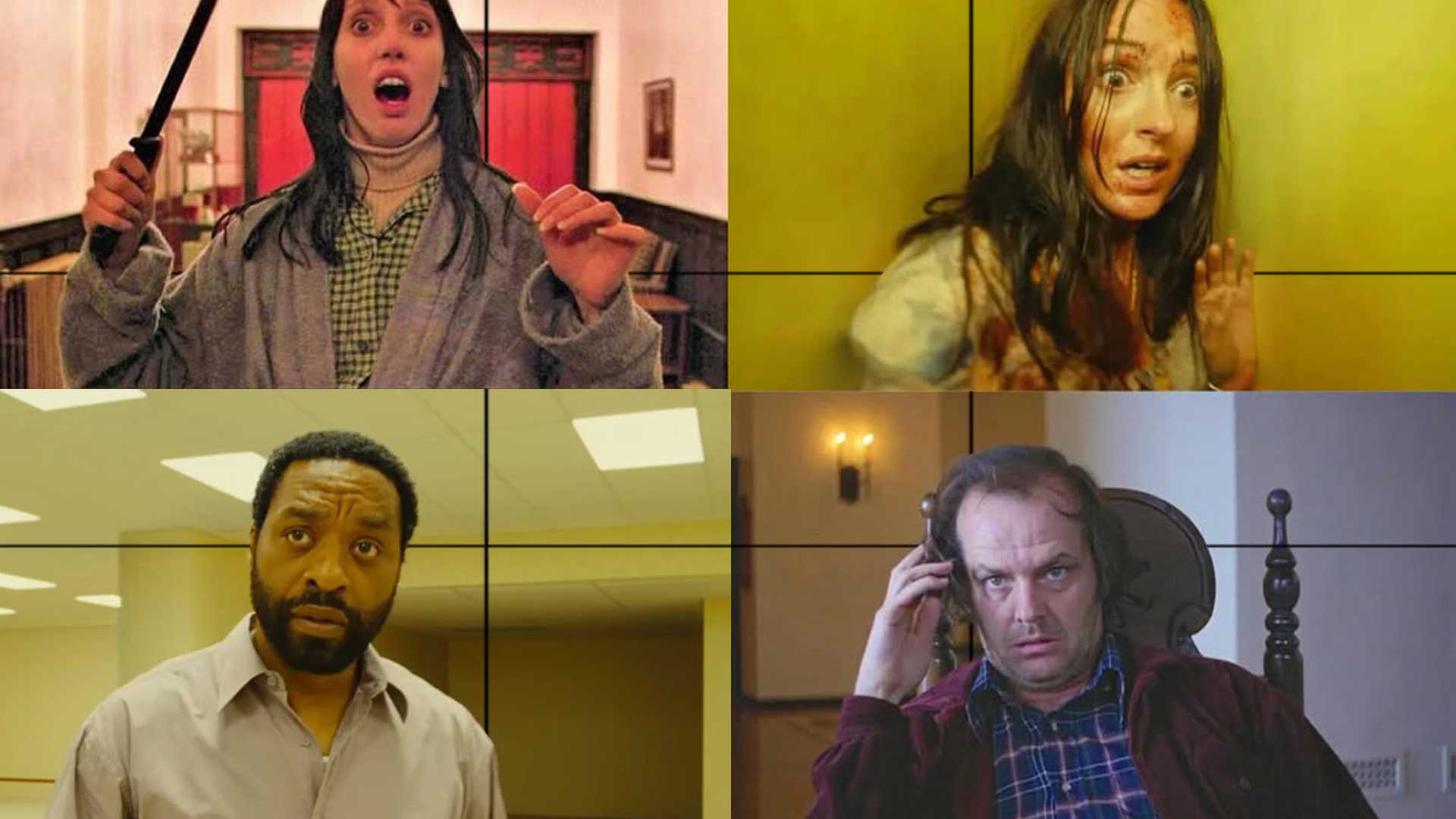


Stanley Kubrick’s The Shining has been a goldmine for film theorists and critics for the last 46 years. Kubrick’s twisted take on Stephen King’s novella remains a staple of the psychological horror genre, filling our dreams (and nightmares) with its deep and eerie visuals. Now, almost five decades later, Kane Parsons’ Backrooms has finally cracked the code, delivering a film that simply feels like a spiritual successor to The Shining.
From a purely thematic perspective, The Shining has more in common with Backrooms than with Doctor Sleep, the movie’s (and novel’s) official sequel. But what makes these two seemingly unrelated franchises so similar? Well, to understand that, we’ll first need to take a crash course on the unsettling fears of liminal horror.
Why Liminal Spaces Like The Overlook Still Terrify Us Today
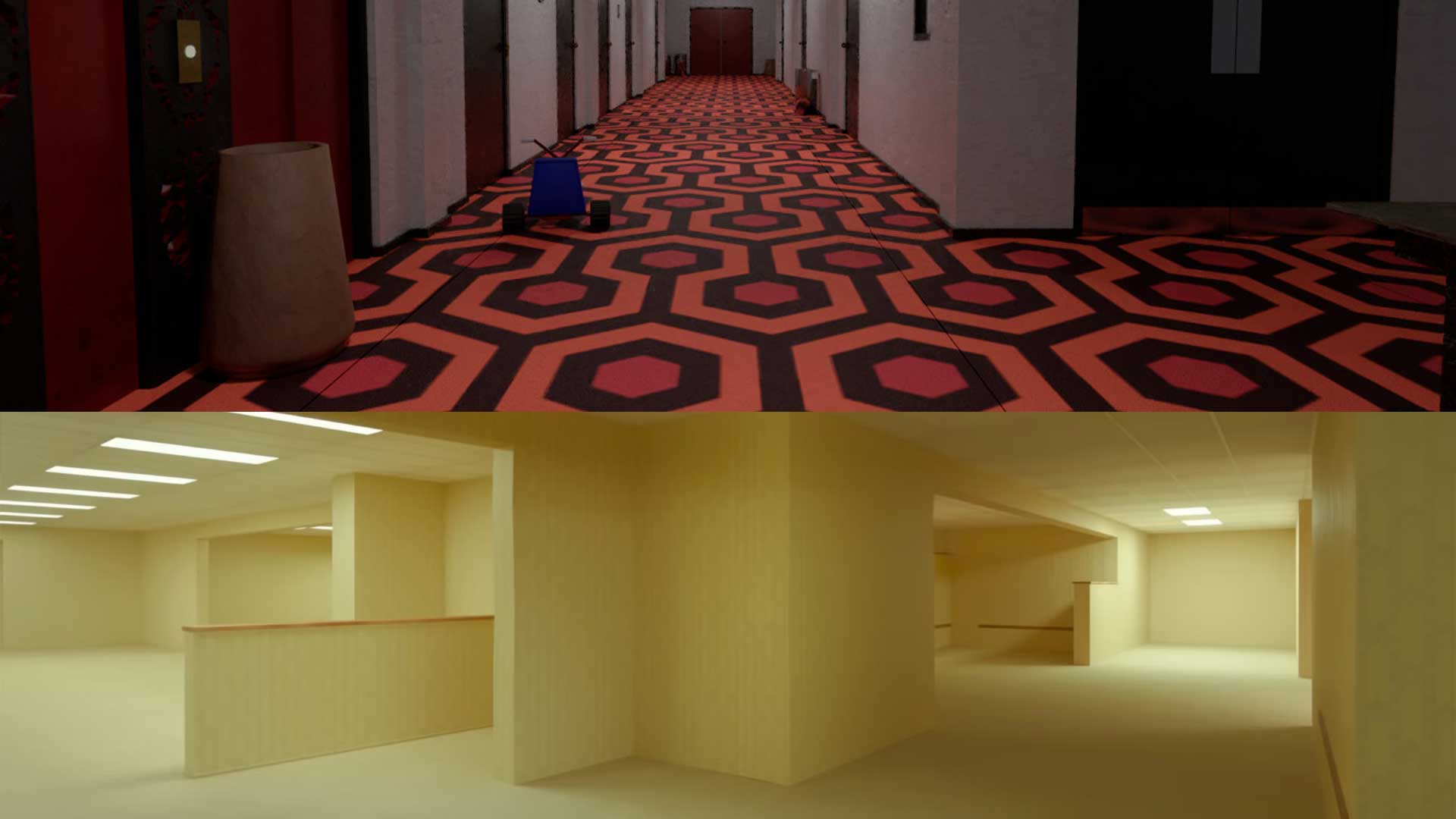
The Overlook Hotel in Kubrick’s take on The Shining might as well have been the originator of the internet’s fascination with “liminal” spaces – areas that tread the thin line between nostalgia and unexplainable fear. Just thinking about that iconic rug pattern from The Shining might be enough to get fans in a fight-or-flight mindset.
Backrooms gives a fresh twist to the concept of liminal horror while keeping that timeless vibe that made The Overlook a fixture of the horror genre. The off-yellow palette, the ever-present carpet floor, and the dated ‘90s tech – everything has been designed to subconsciously bother the viewer in a way that’s hard to put into words.
How Both Films Trick You Into Rooting For The Wrong Person
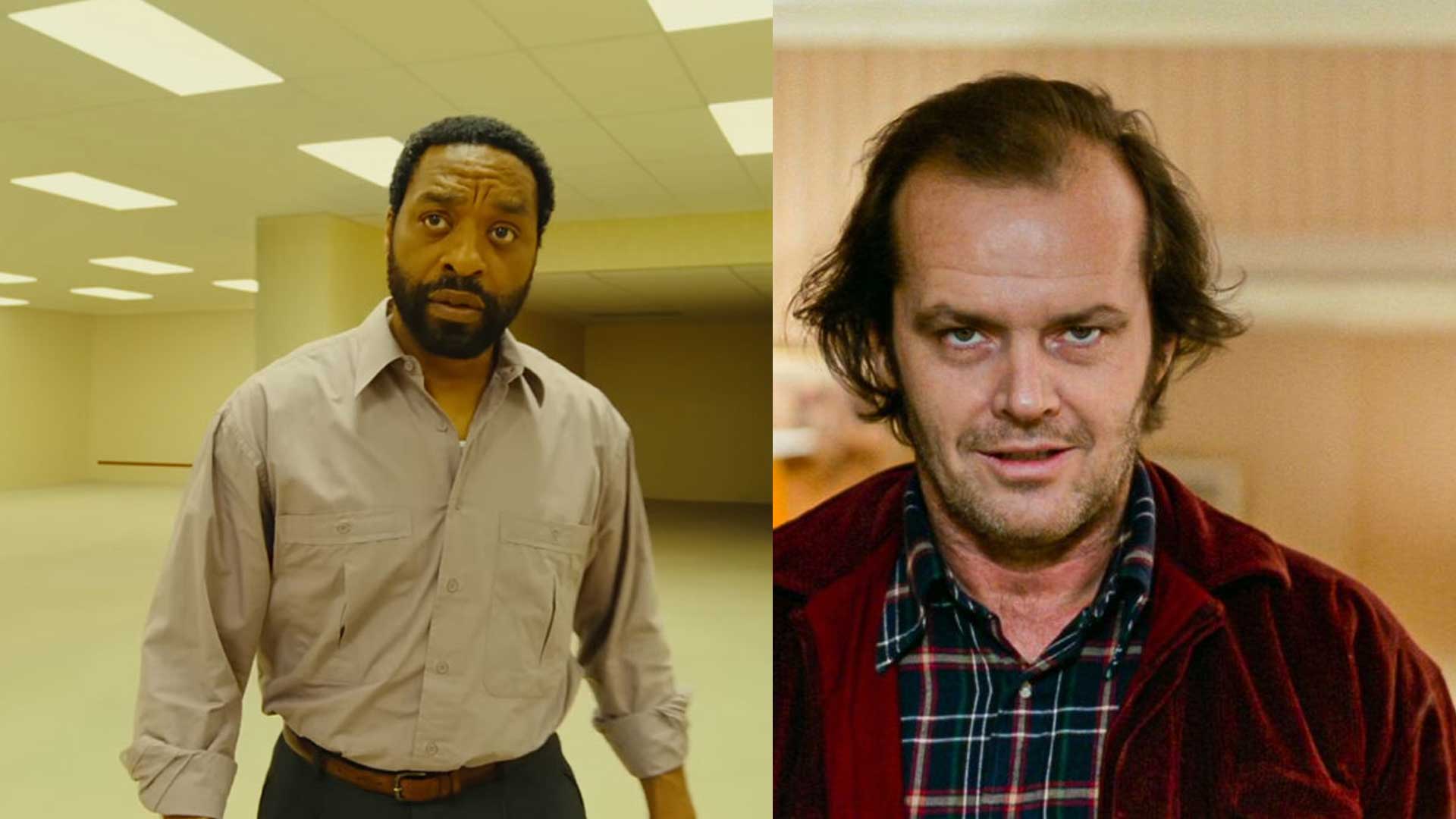
Both Backrooms’ Clark and The Shining’s Jack share a very similar character arc. We start each film believing each of them to be our troubled but heroic protagonists, only to witness them fall further into madness with each passing second. Fueled by alcoholism and crushed dreams, Clark and Jack are two sides of the same coin.
Then, as the story moves on, we focus on the real protagonist: a female lead who becomes the victim of Clark/Jack’s unrestrained madness. We even have a similar scene to the iconic typewriter sequence from The Shining in Backrooms, when Mary (played by Renate Reinsve) finds Clark’s mural.
In the end, both of our protagonists end up consumed by an alien space with limited sentience. The Backrooms and the Overlook hunger, and they thrive on the shattered psyches of anyone unfortunate enough to set foot inside them.
The Cinematography Trick Both Kubrick And Kane Parsons Used To Get Under Your Skin
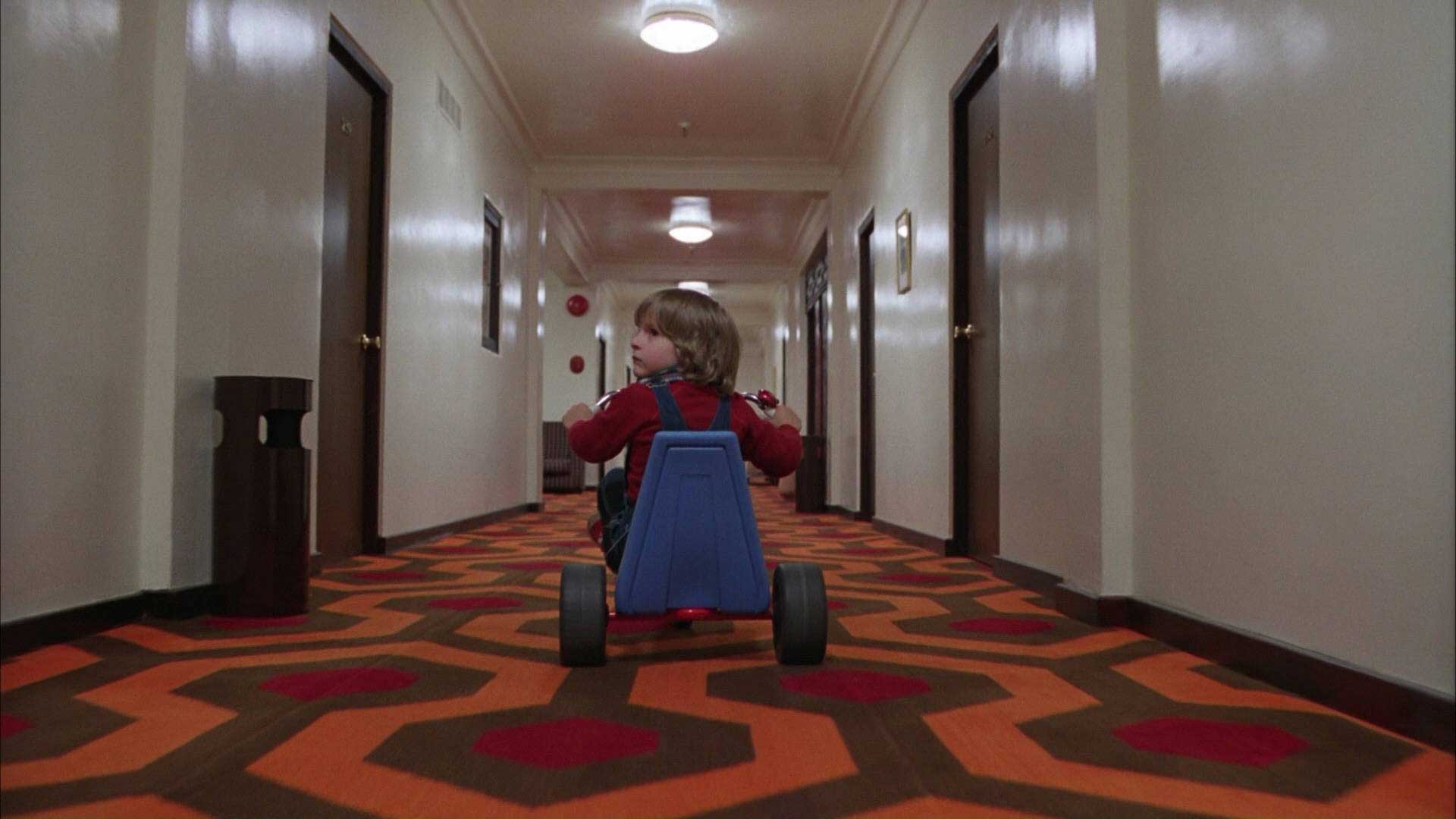
Parsons, along with his cinematographer, Jeremy Cox, gave us a masterclass in creating tension within the confined spaces of the Backrooms. The long, lingering shots give us even more time to soak in the true horror of the uncanny dimension, and that was also one of the highlight features of Kubrick’s The Shining.
From the multiple tracking shots reminiscent of Danny’s cursed tricycle ride across the Overlook to the unsettling close-ups, Backrooms feels like a modern Kubrick film in all the right ways. Even the music (which was also co-composed by Parsons) feels like a throwback to Wendy Carlos’ haunting electric melodies from The Shining.
The result is that Backrooms feels like The Shining without ever turning into a carbon copy. It succeeded in being a legacy sequel to one of the most unsettling psychological horror films of all time – without even trying to be one.