



From Backrooms to Obsession, let’s just go ahead and dub 2026 the year of horror. While BT Meza’s Affection might not be in the same league as the aforementioned titles, it’s a tidy, well-executed film that changes genre lanes from psychological horror to sci-fi horror flawlessly. Also, please can Jessica Rothe become an A-lister already? She has more talent in her eyebrow than many of these supposed stars.
Affection begins with a gripping hook. Ellie (Rothe) stumbles out of her car and convulses in the middle of the road. She gets up – only to see a vehicle drive towards her. As she tries to limp out of the way, the vehicle crashes into her.
Ellie’s accident doesn’t appear to be fatal, as she wakes up in her bed in the next scene. Something is amiss, though. She rushes out of the bedroom, followed by her husband, Bruce (Joseph Cross). As Bruce approaches her, Ellie lashes out at him. She doesn’t recognize Bruce – or her daughter, Alice (Julianna Layne). In fact, she believes her name is Sarah, and she is married to a different man and mother to a son.
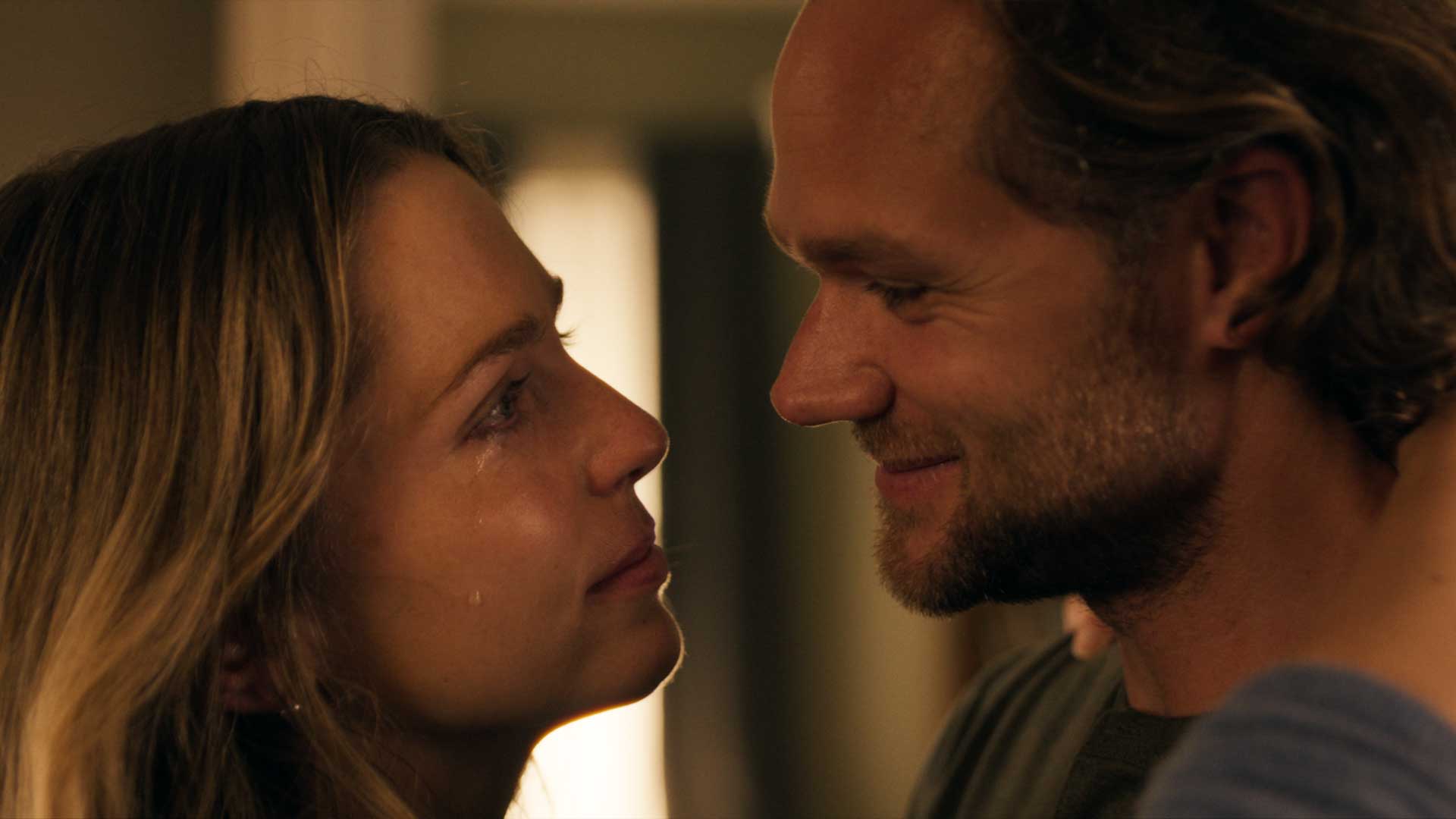
This is where Affection takes shape. Bruce reveals to Ellie that her accident created a trauma reaction in her brain that resulted in false memory implants. She needs rest, hence their moving out into the middle of nowhere to avoid all distractions. From the get-go, it’s obvious that something isn’t right here. It’s also something of a logical loophole in Meza’s storytelling, as the filmmaker reveals the gambit way too soon. Anybody who has a neurological disorder, or has been around someone who has one, understands that it would be the worst idea to move somebody into an isolated location without nearby medical facilities – especially if they experience active seizure activity.
The good thing here is that Meza isn’t keeping the big reveal to the end. It arrives fairly early in the plot, allowing for the film to venture into another genre altogether and tackle a different theme than initially expected. Does it work? Yes; however, it isn’t a novel idea by any means. The twist is very much a concept that was done to death in the ’90s.
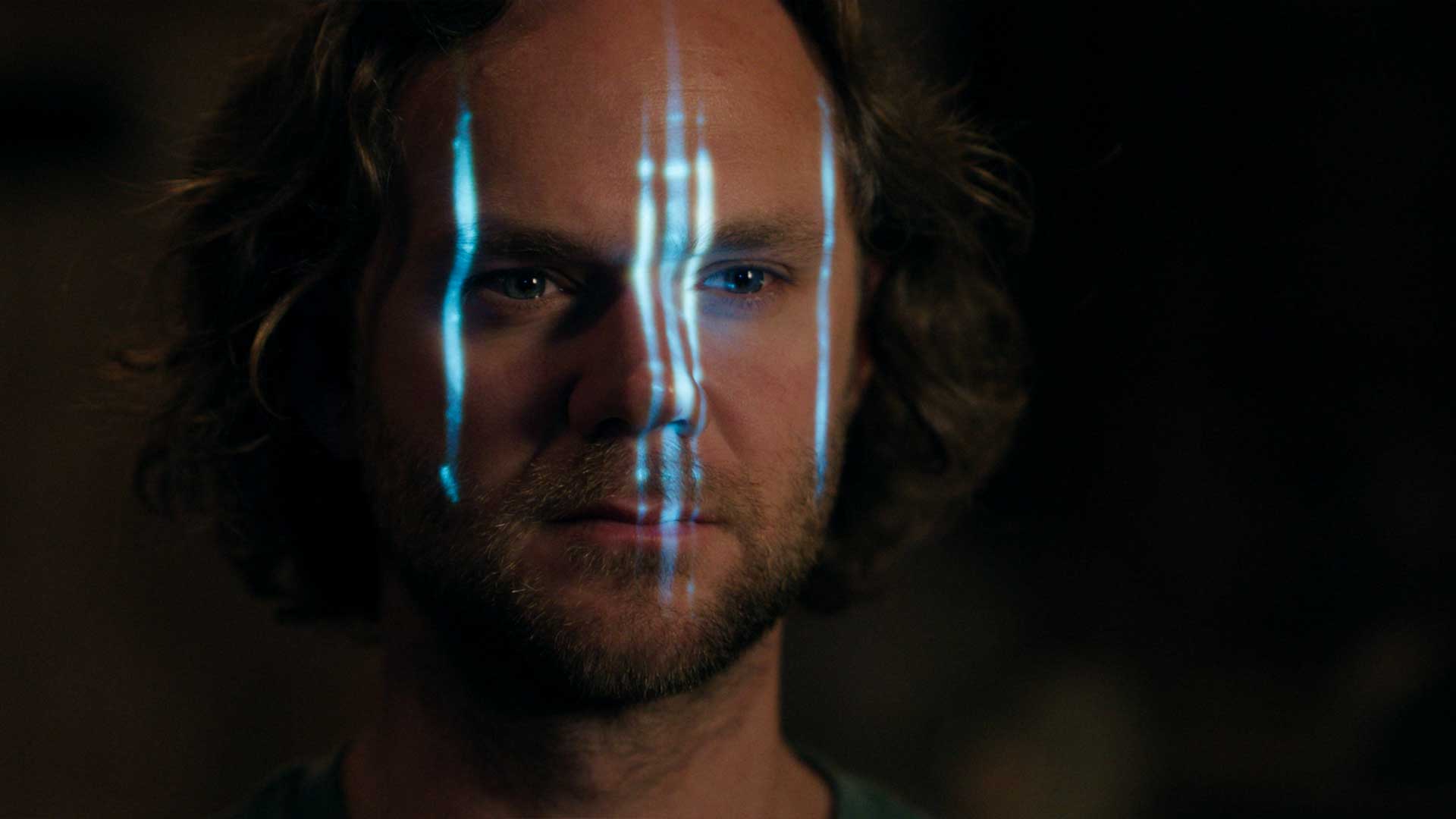
With that being said, Affection introduces an emotional element into what’s predominantly a scientific conundrum. Questions about consent, originality, and morality circle around the film, as this evolves into the kind of thought-provoking story that encourages debate among viewers. You want to talk about it and find out what others think about the situation.
There are only three actors in the entirety of Affection, and it’s impressive to see how they carry such a complex narrative in such a compelling way. Not once does it feel like this is due to budget constraints or whatever; the minimal cast works for the story and makes it stronger by focusing on the connection between the family.

As for the lead, Jessica Rothe puts in the type of performance that should have every major director ringing her agency’s phone. There are layers upon layers to dissect here, but she never complicates matters. She understands how to do so much with so little – and that’s the mark of a true artist. While everybody remembers her for the horror comedy-tinged slasher franchise Happy Death Day, Rothe confirms she’s more than capable of playing it straight and excelling too.
For his first feature film, Meza knocks it out of the park in Affection. Apart from the pacing issues and the filmmaker showing his hand too freely in a few scenes, this is a solid and enthralling debut. The next generation of horror is in good hands.
The Review
Affection
Even though Affection isn't as original as it wants to be, it's a taut, genre-hopping horror that showcases Jessica Rothe's talents.
Review Breakdown
-
Verdict