

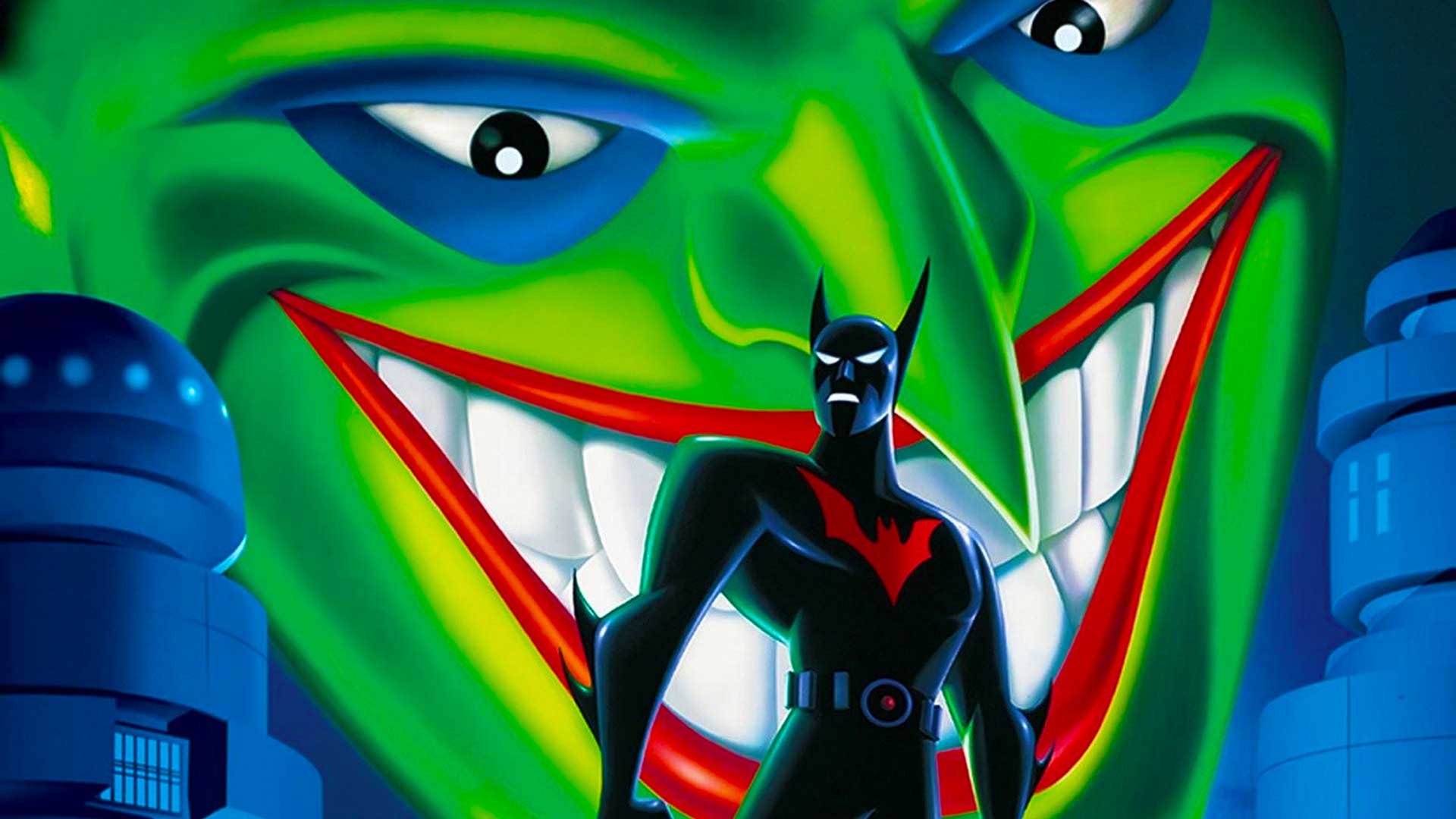


Released on December 12, 2000, Batman Beyond: Return of the Joker was actually meant to debut earlier than it did. However, the real-life events of the Columbine High School shooting resulted in the release date being pushed back to cut out the controversial content. While fans agree that the 2002 uncut version of the film is far superior, that’s a topic for another day. Instead, this retrospect examines how this unassuming animated movie predicted a terrifying future that seems a little too close for comfort – maybe even better than James Cameron’s Terminator.
Set in the same continuity as Batman Beyond, Return of the Joker holds no double meaning in its title. It’s about the unceremonious reappearance of Bruce Wayne’s (Kevin Conroy) greatest villain, Joker (Mark Hamill). For the most part, Batman Beyond tried to avoid the nostalgia crutch, allowing Terry McGinnis (Will Friedle) to face new threats, or the evolution of rogues from Bruce’s past. In Return of the Joker, though, the Clown Prince of Crime resurfaces, looking better than ever and having the same bad intentions as before.
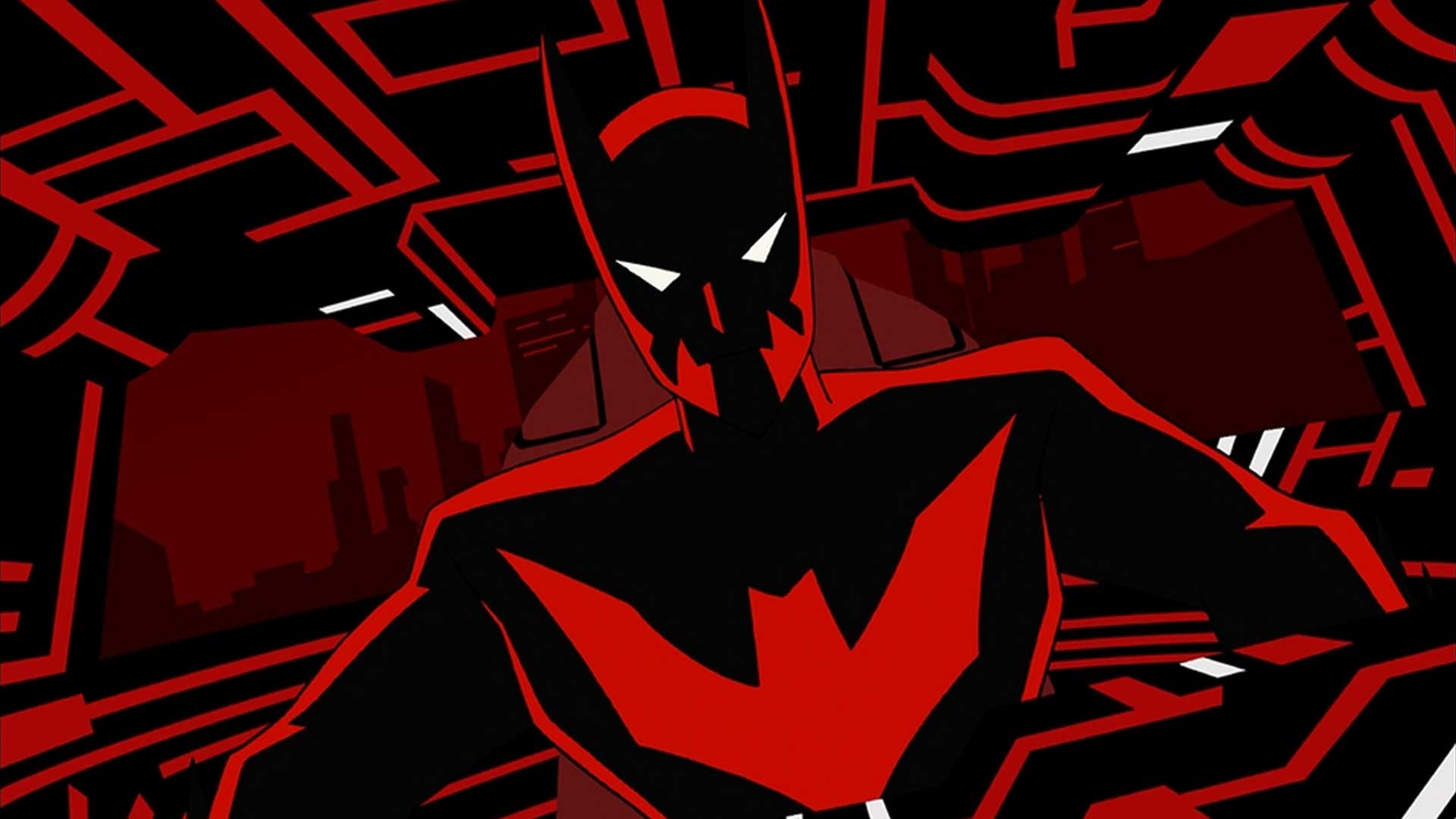
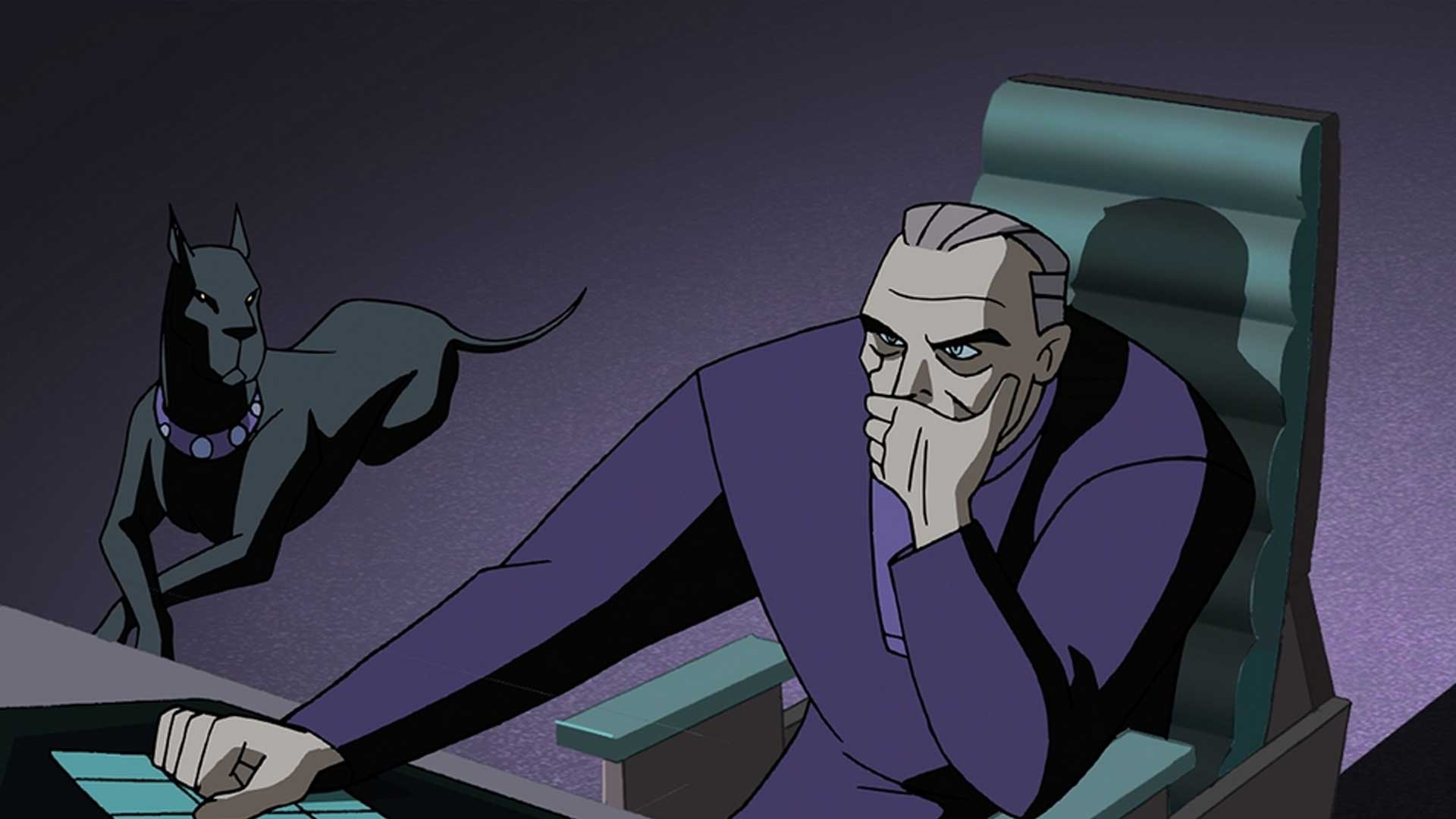
It’s a confusing mystery – especially for Barbara Gordon (voiced by Angie Harmon as the adult commissioner and Tara Strong as the teen Batgirl) and Bruce. The pair reveal the truth to Terry: Decades earlier, Joker and Harley Quinn (Arleen Sorkin) kidnapped Batman‘s then-Robin, Tim Drake (Dean Stockwell). The dastardly duo tortured Tim and brainwashed him into a mini-Joker. At a point, Tim snapped out of his trance and murdered the Clown Prince, while Harley was presumed to have died from a fall. What doesn’t make sense to Bruce and Barbara is they buried Joker‘s body, so how did he return?
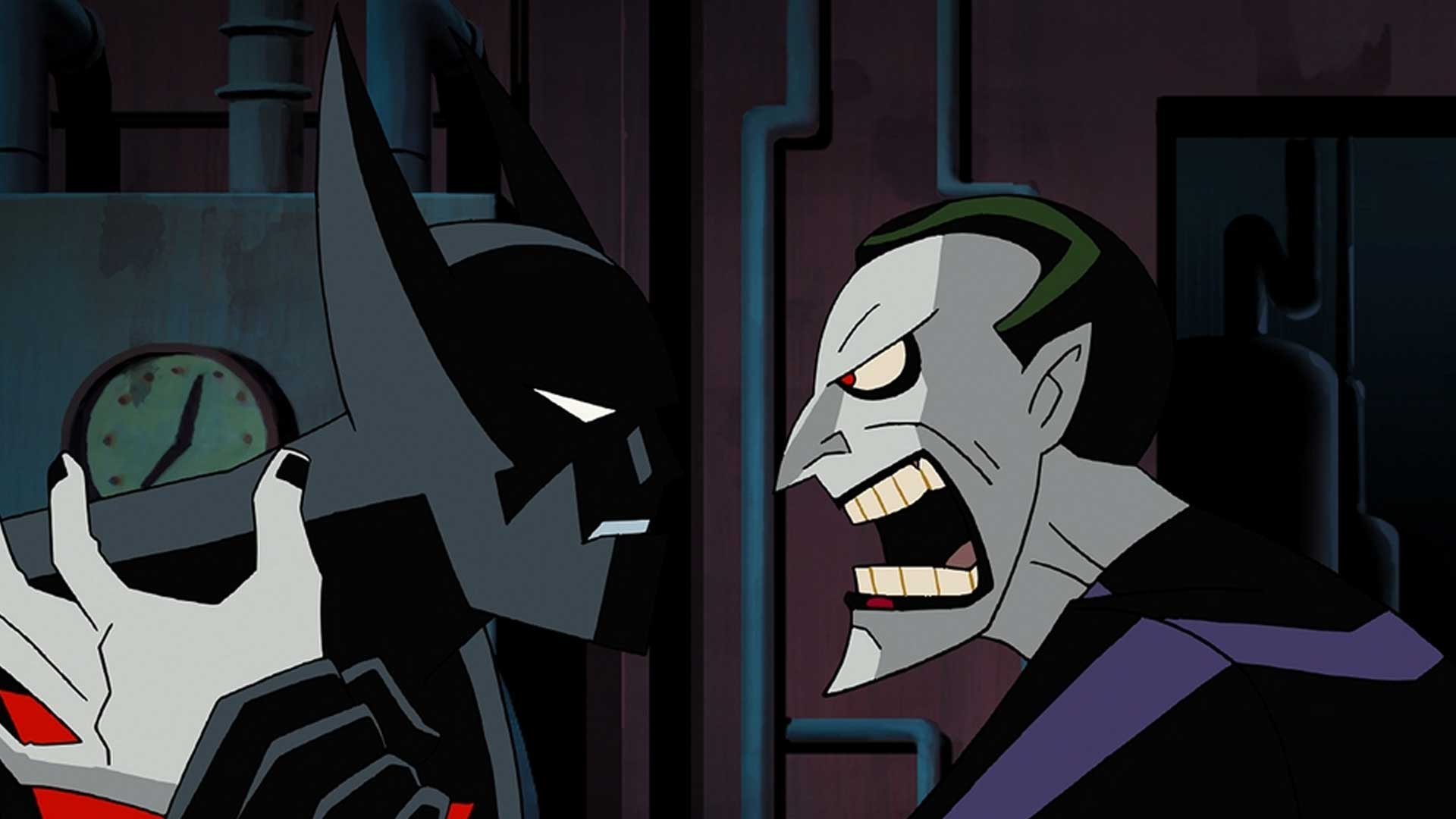
The answer arrives in the film’s third act, as Terry discovers that Joker installed a microchip with his consciousness in Tim’s head, allowing him to take over Tim’s body. The only way to stop the villain is by scrambling the microchip and freeing Tim from the prankster’s clutches.
In 2000, Joker’s plan sounded like a sinister plot out of a William Gibson novel: pure sci-fi. Nowadays, though, the quest for digital immortality doesn’t seem as far away as it once did. After all, Open AI CEO Sam Altman invested in a company that seeks to create a mind-uploading service for people. “I assume my brain will be uploaded to the cloud,” Altman told MIT Technology Review in 2018.
As several experts pointed out in this Space.com feature (written by yours truly as well) about the transhumanist future depicted in Alien: Earth, it’s not as simple as it sounds, because one would need to define what human consciousness is – and that itself is both a philosophical and scientific conundrum that’s not yet been solved. Yet, as Rohit Patel from Meta Superintelligence Labs explained, it’s impossible to predict the trajectory of technological progress. Seriously, who had U.S. President Donald Trump posting an AI-generated video of him playing football with Cristiano Ronaldo in the Oval Office on their bingo card in 2020?
All it takes is one breakthrough and everything changes. Sometimes, not for the better. As has been demonstrated with the AI bubble in recent years, ethical and regulatory considerations often take a backseat in this rat race to the bottom. These technology companies continue to take shortcuts in an attempt to be the first to get their product to market. That’s why every AI-powered service seems worse than what it was without it, as quality control falls down the totem pole of priority and bugs are addressed in real time.
Does anyone really believe that these corporations would say, “Hang on a second. Have we thought about the implications of creating a replica of somebody’s mind?” Absolutely not. They’ll sell it to you as fast as they can, then make the service infinitely worse after a few months and charge you more to make it “better” again. It’s called enshittification. As a matter of fact, it wouldn’t be surprising if fact mirrored fiction and turned into that Black Mirror Season 7 episode “Common People,” in which the protagonist gets adware installed in her mind and needs to upgrade to the premium version to get rid of all the ads.
This is what makes the Clown Prince from Batman: Return of the Joker even scarier to fathom today. Once the mind-uploading technology is operational, imagine every scammer and devious individual figuring out a way to use it for their own nefarious purposes. If they have already used AI to clone voices and create deepfake videos to extort people, you think hijacking bodies would be a step too far? Someone better call John Connor and Terry McGinnis for help asap, because the future looks bleak as hell.
RELATED: Why Warner Bros. and DC Might Shockingly Greenlight Tim Burton and Michael Keaton’s Batman Beyond