

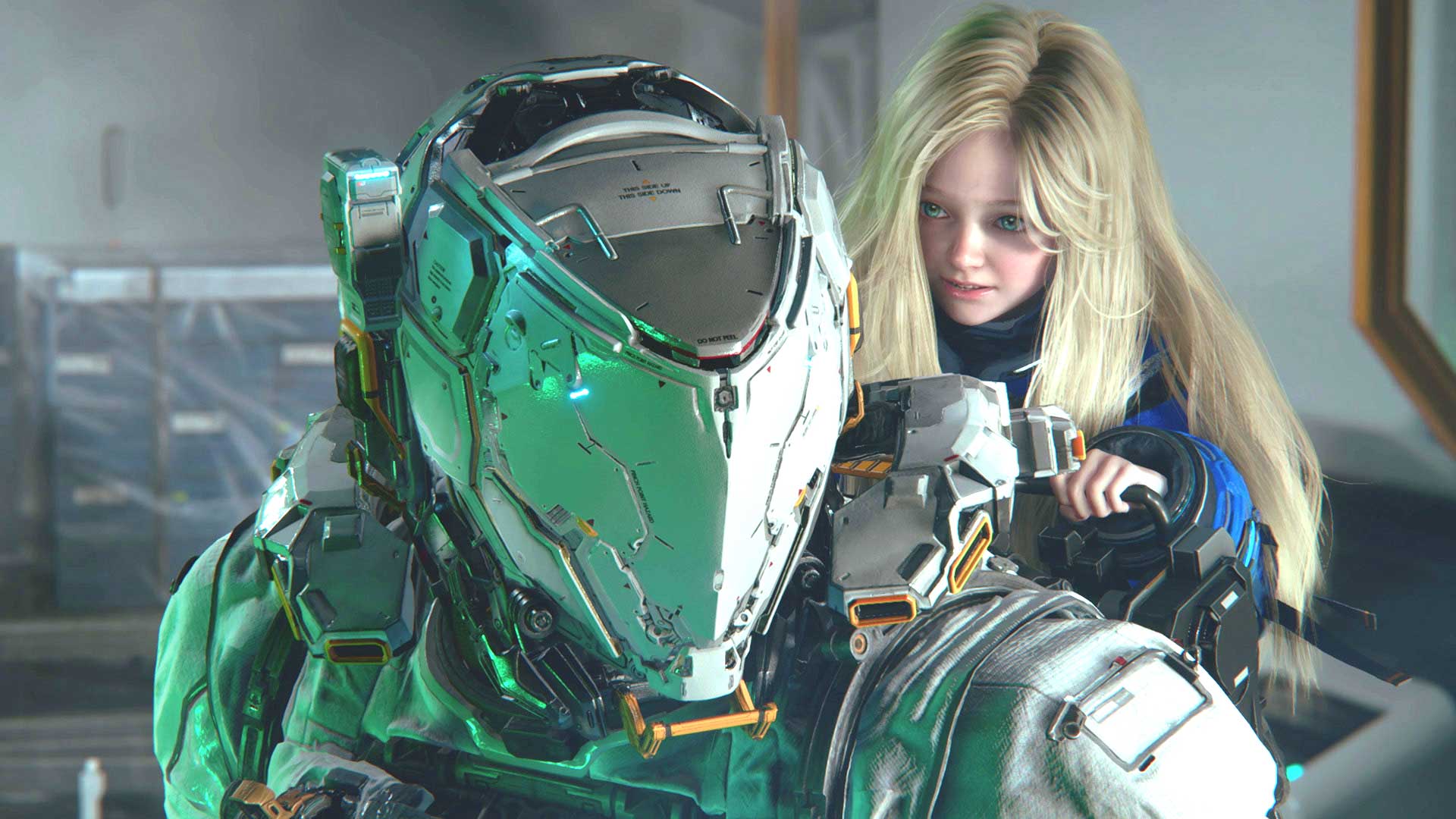


Six years in the making, Capcom’s Pragmata finally lands. It’s already turning into a major talking point among gamers. Unquestionably, Pragmata is a video game event, but it’s a title that requires as much patience as that shown by those who waited more than half a decade for it to arrive.
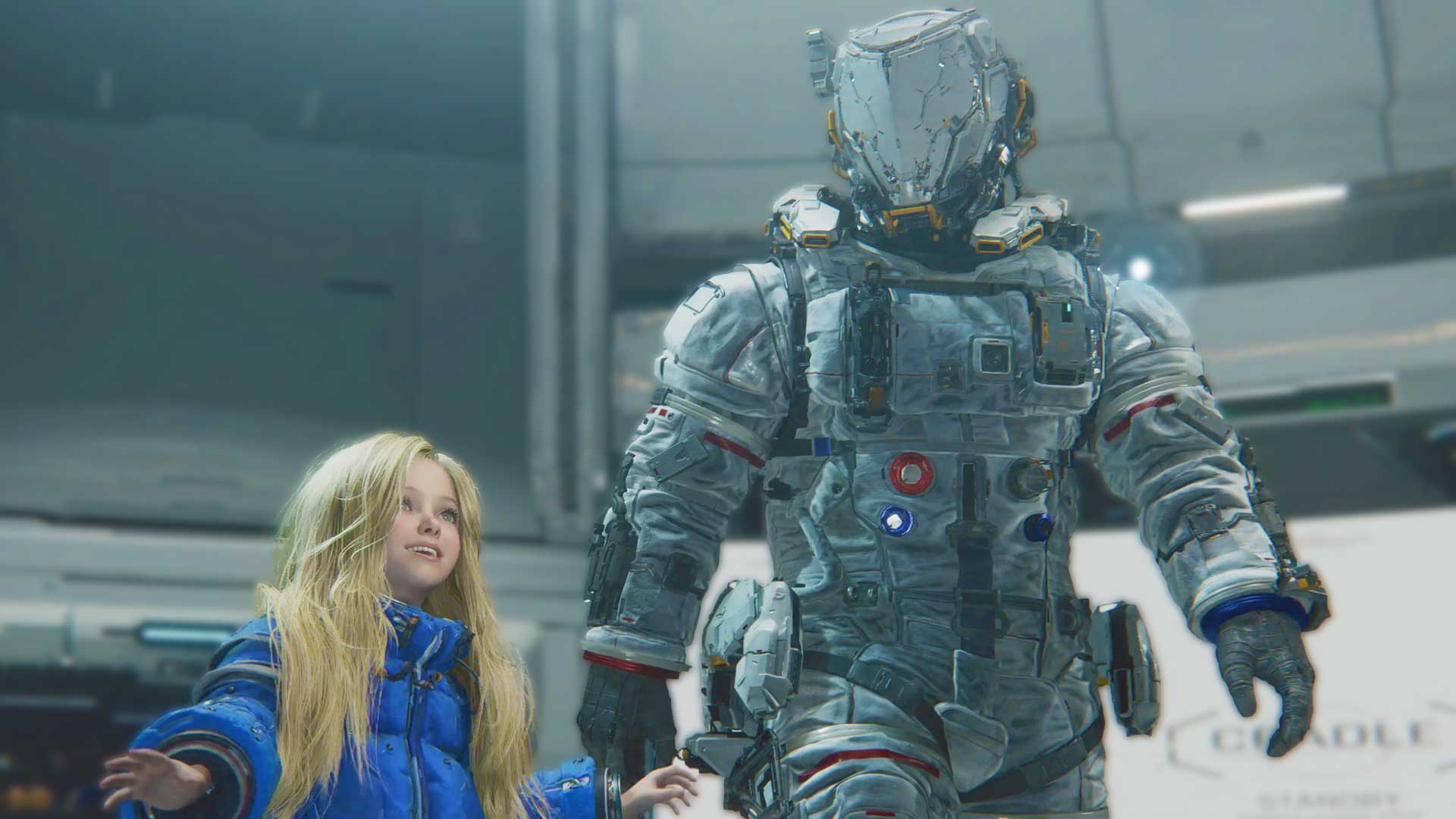
The story introduces Hugh Williams, who visits a lunar research station with his team to discover why the signals are down. A quake rattles their mission, and Hugh becomes separated from his team. Then, he discovers an android girl, whom he names Diana. Together with Diana, Hugh must attempt to get back home while also uncovering what’s up with the AI system known as IDUS.
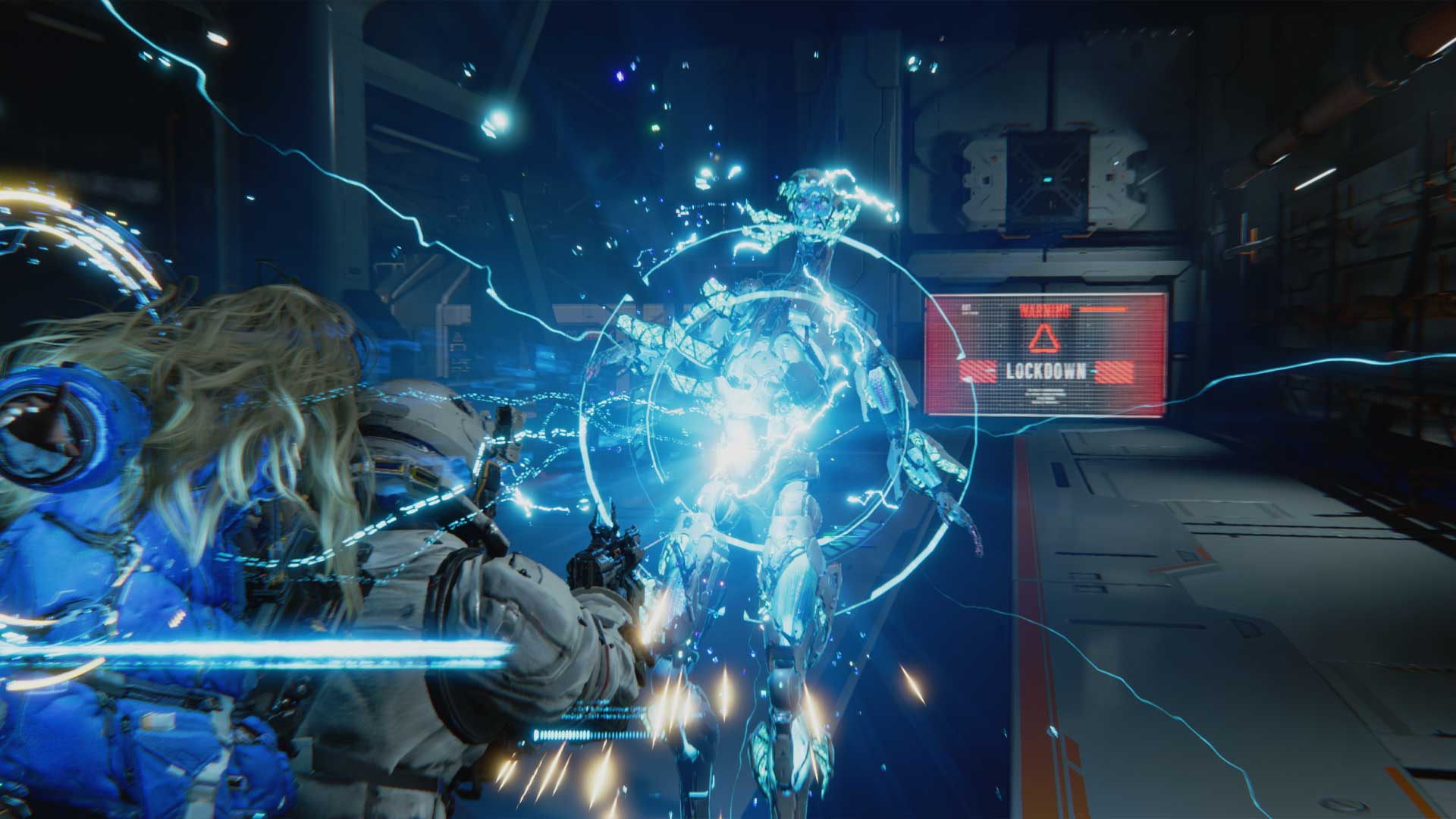
Pragmata shakes up the sci-fi shooter genre with its innovative hacking system. While Hugh is equipped with the weapons to gun down the bots, Diana uses her abilities to hack them. This happens while combat is in play. It sounds complicated and daunting, but it isn’t. While Hugh is moving, it’s easy to call up the hacking system to target an enemy (or even multiple enemies depending on the mods); some reviewers have called it a mini-puzzle system, but it’s more accurately a case of navigating the squares to get to the green button at the end.
I must admit that this didn’t excite me initially. In the early stages of the game, it feels tedious, as the robots are too similar and the way to take them down is the same as well. Plus, it also doesn’t help that Hugh is only equipped with a Grip Gun, which is about as slow and monotonous as a Netflix show around the sixth episode. Fortunately, Pragmata develops at a rapid pace, as Hugh unlocks more weapons, mods, and skill upgrades, while the hacking system grows in breadth as well. After the first boss battle, there’s an “aha” moment as it all clicks together and you can’t help but say, “Yeah, that’s cool.”
It also helps that there’s a genuine likeability to Hugh and Diana as protagonists. Diana experiences everything with wonder and excitement, as she learns about Earth and humanity’s customs in real time, while Hugh isn’t the typical cynical curmudgeon seen all too much in gaming. Despite the perilous situation he’s in, Hugh becomes like a surrogate father to Diana, teaching and guiding but also caring for her – especially when she inevitably finds herself in trouble. While the story isn’t entirely original, the emotional bond between the characters compensates for the other shortcomings.
Visually, Pragmata takes your breath away. Whether it’s the adventures inside the clinical and high-tech space stations, the luscious alien worlds, or futuristic recreations of modern cities, it’s all too easy to get lost in the minutiae of it all. Yasumasa Kitagawa’s understated score complements this, refusing to be overpowering or garish. Instead, it takes inspiration from the isolating – and sometimes calm – sensation of being lost in space, letting the beauty of what you see speak volumes.
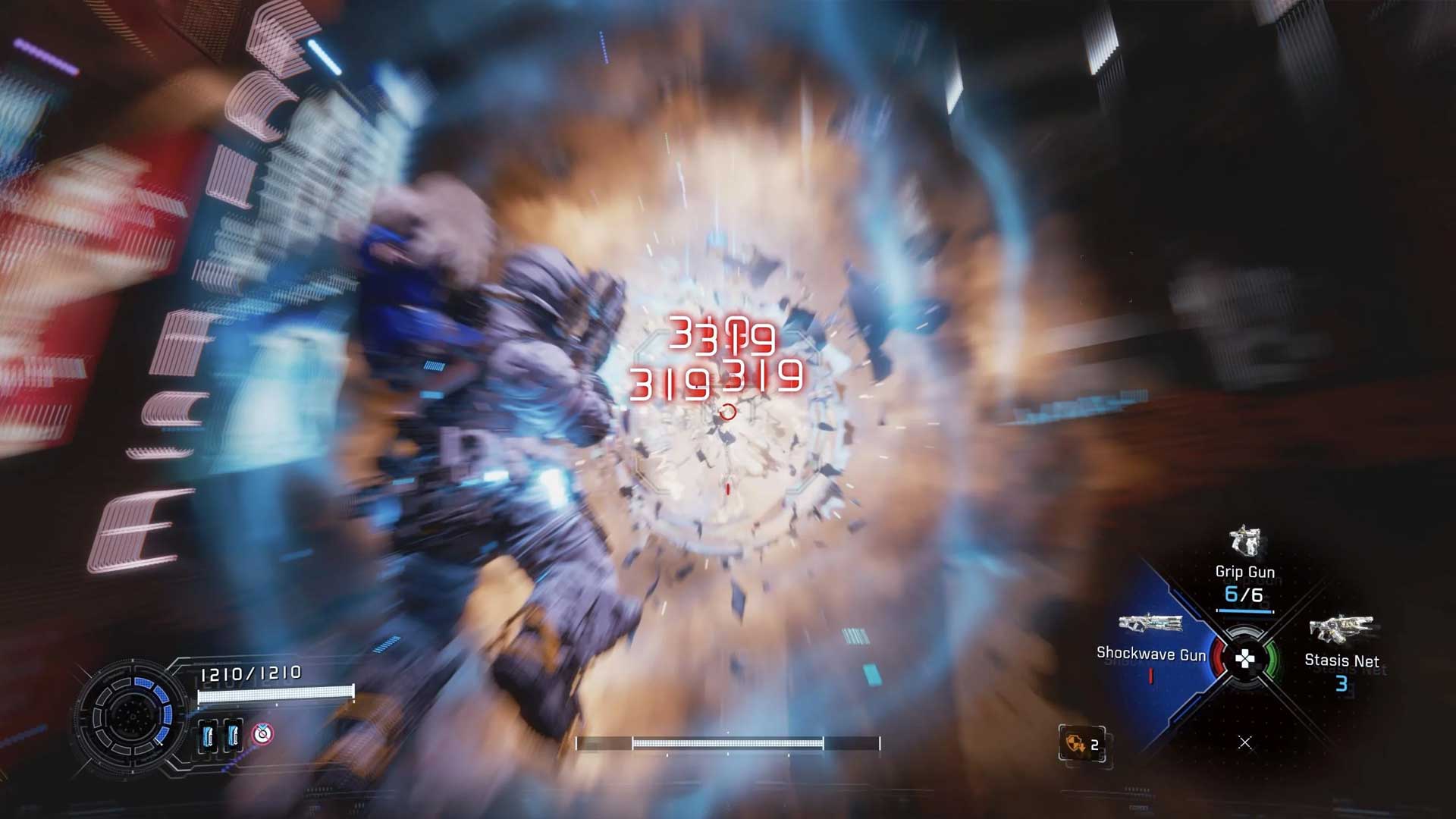
With Pragmata, Capcom takes major risks on a new IP, especially in terms of its hybrid hacking-combat system. It takes time to adjust and appreciate, since it’s foreign at first, but as the layers unfold and the game progresses, it justifies the creative choice. When it all comes together, it’s an overall thrilling and satisfying experience. The only question is: will Pragmata have strong replay value? While I’m not entirely convinced, this will be up to the gamers to decide.
RELATED: High on Life 2 Game Review
The Review
Pragmata
Pragmata offers highly original gameplay that satisfies as it progresses.
PROS
- The innovative hacking-combat system works
- Hugh and Diana's heart-warming bond
- Stunning graphics
CONS
- Unoriginal story