




Oscar season is back again, and you know what that means – cinema snobs are back at it, letting you know why some movies aren’t boring, “you just don’t get it.” Every year, there’s at least one Oscar pick that leaves critics and audiences baffled. Whether it was Crash nabbing the Best Picture statuette in 2005, or Emilia Pérez being at the ceremony at all, controversy is part and parcel of the Academy. This year, Sinners emerges as the clear favorite, making history with its astounding 16 nominations. The historical drama Hamnet isn’t far behind with its eight nominations, and we know how much the Academy loves period dramas. However, nestled between those two juggernauts sits Paul Thomas Anderson’s latest film, One Battle After Another, which recently won some of the top accolades at the BAFTAs – including Best Film and Best Direction for Anderson.
As celebrated as One Battle After Another seems to be, one can’t help but shake that uncomfortable feeling of this being Anderson finally “playing the game.” Who used to be a renegade author has finally transformed into a mainstream celebrity, and the result is a movie that appeals to everyone but pleases no one in particular.
One Battle After Another’s $140 Million Budget Feels More Like a Studio Play Than a Paul Thomas Anderson Passion Project
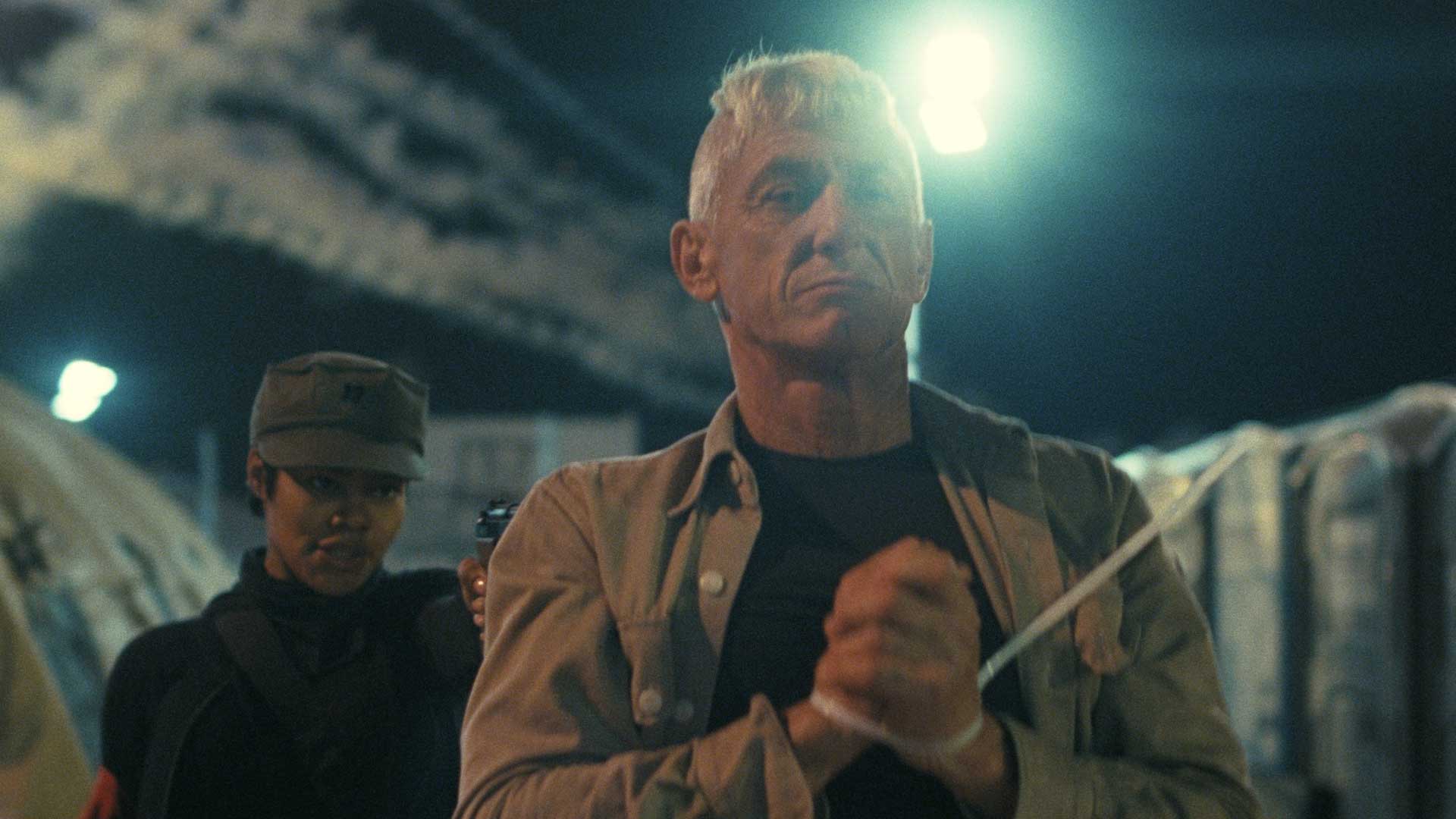
Most of Anderson’s previous projects have been intimate, relatively mid-budget films with a focus on character development and budget-friendly storytelling. Compare that to One Battle After Another’s astronomical $140 million budget, and the contrast is night and day. Bigger budgets don’t necessarily result in better stories, and it’s painfully clear that One Battle After Another is more of a Warner Bros. pet franchise than a passion project by Anderson.
The gargantuan budget only makes it even more ironic that this is Anderson’s most unapologetically “left-wing friendly” film to date. At least, that’s what some critics would like to say, but when you have characters like “Colonel Lockjaw” in your film, the movie suddenly sounds more like G.I. Joe and less like The Motorcycle Diaries.
Comedy or Political Satire? Why One Battle After Another Struggles With Its Tone

On one side, One Battle After Another is supposed to be a comedy. The word “Supposed” does a lot of heavy lifting there. Unfortunately, some critics would like to imply that the political absurdity showcased in the film is nothing less than a reflection of our current, real-life society. Not only is that a lie: it’s dangerously disingenuous.
That notion of One Battle After Another being Anderson’s ultimate political commentary loads the film with some heavy luggage. Truth is that this could have easily been another Don’t Look Up, but media buzz is steadily turning One Battle After Another into some form of Citizen Kane of modern political discourse – and that might have never been Anderson’s intention.
Has Paul Thomas Anderson Lost His Edge With One Battle After Another?

One Battle After Another is not There Will Be Blood. The movie lacks the depth and nuance of a Paul Thomas Anderson film, and it’s painfully obvious. For international audiences without a solid grasp on the current struggles with American politics, movies like One Battle After Another don’t reach the same emotional heights as Hamnet or Sinners do.
At the end of the day, Anderson has made a movie that’s exclusively focused on current American woes, and will surely be forgotten just as soon as the current media cycle runs its course.
RELATED: Paul Thomas Anderson Defends 2025 Movies and Shares His Favorites