


The 1990s era marked the surge of legal dramas, notably those based on John Grisham’s bestselling novels, turning pages into big-screen successes such as The Firm, The Client, and A Time to Kill. Outside the John Grisham boom, the cinematic legal dramas reigned supreme with other box-office hits such as A Few Good Men, Philadelphia, and, of course, Primal Fear.
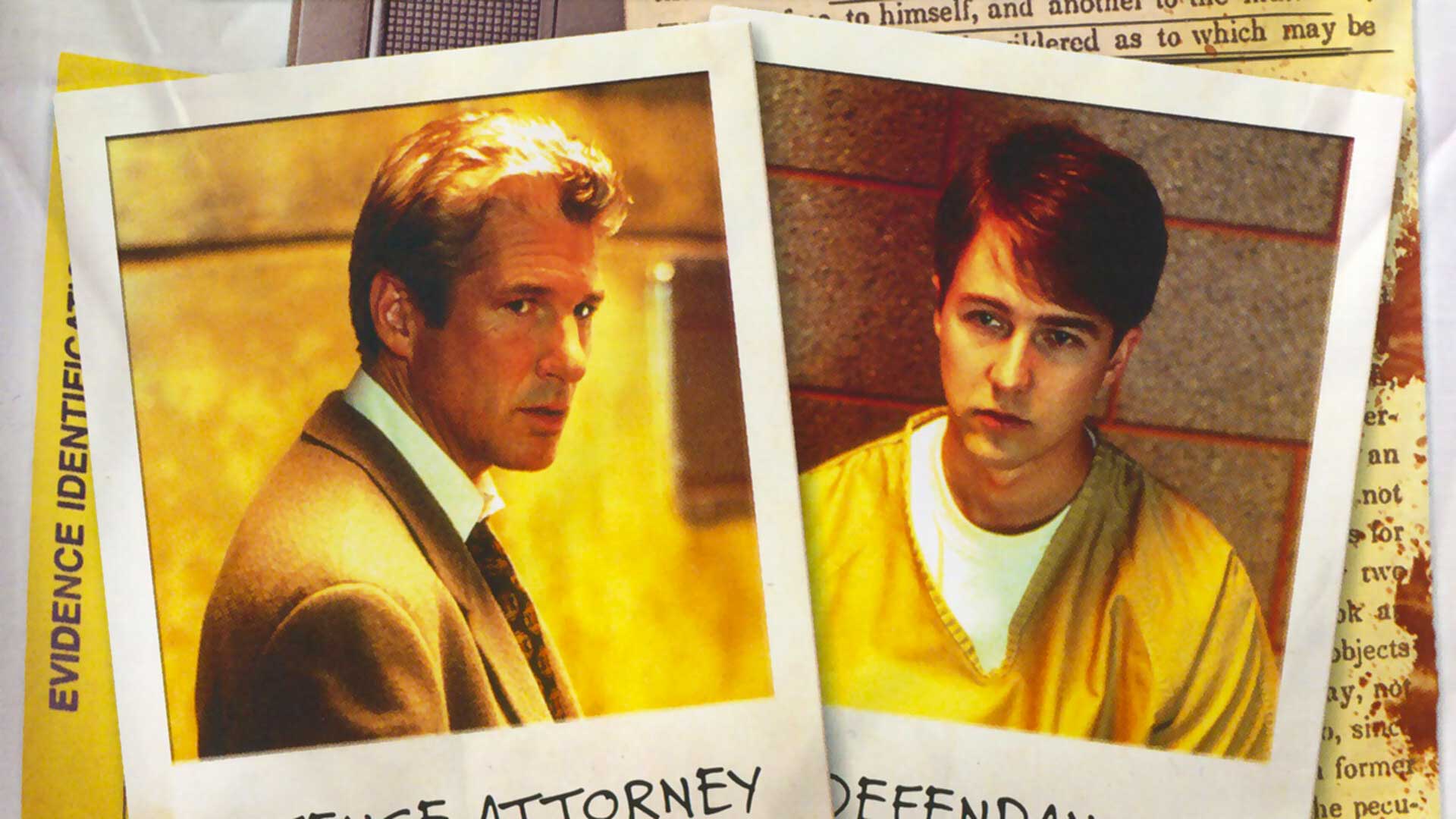
Directed by Gregory Hoblit, a TV vet previously helmed several episodes of Hill Street Blues, L.A. Law, and NYPD Blue, Primal Fear may have been his feature-length debut. But he already proved himself as an ace filmmaker, showcasing his directorial prowess in navigating Steve Shagan and Ann Biderman’s adapted screenplay from William Diehl’s gripping 1993 bestselling novel of the same name. It boasts the kind of storytelling hook that Hollywood loves to put on the big screen: A defense attorney, played by Richard Gere as Martin Vail, chooses to defend a timid altar boy, Aaron Stampler (Edward Norton), after the latter is accused of murdering the beloved archbishop in cold blood.
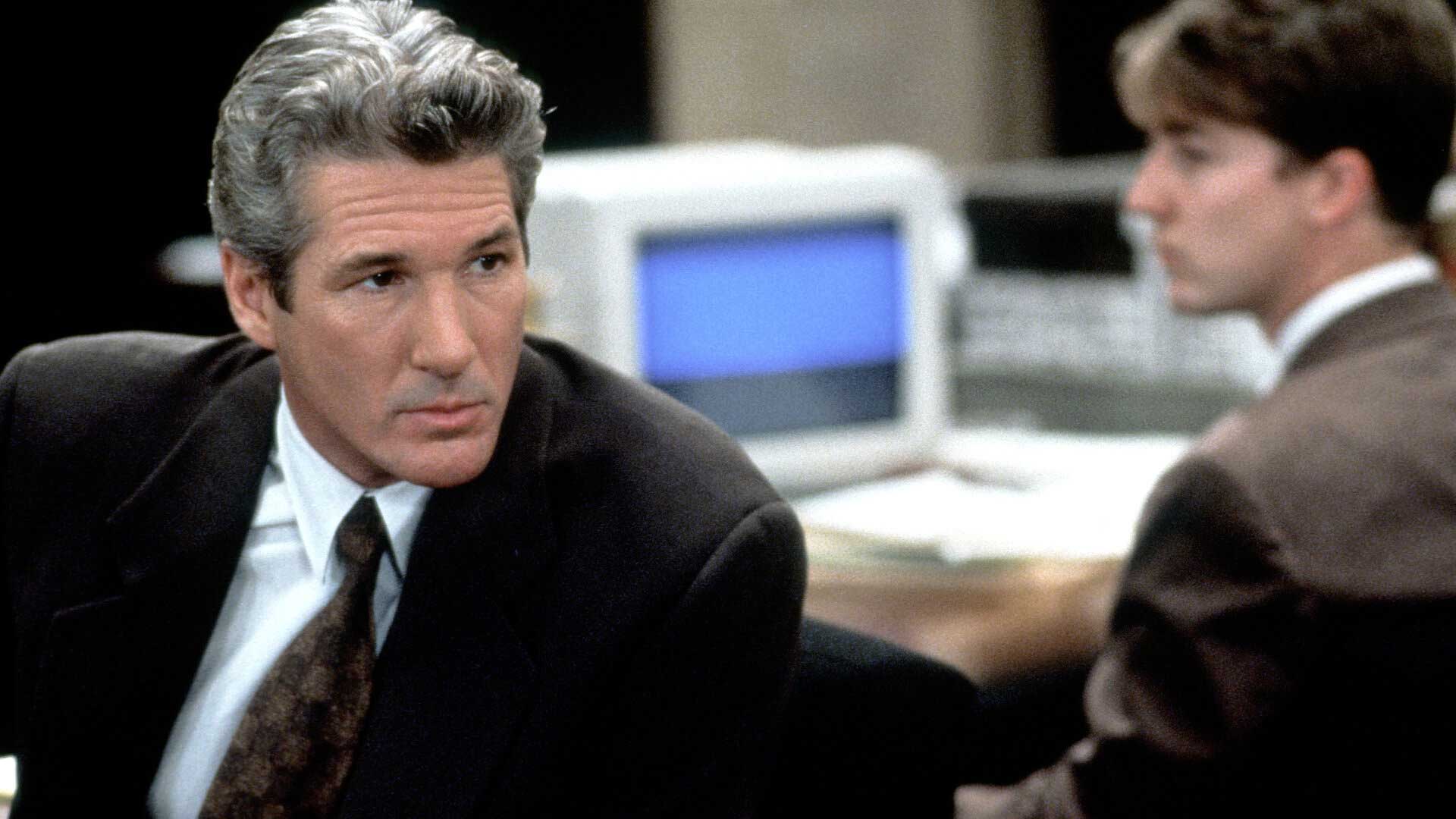
Aaron claims he’s innocent, and while everyone else thinks he’s the murderer, Martin has a strict principle that “people are innocent until proven guilty”. He even took the case pro bono, and throughout the movie, it looks as if he has everything under control. But as the movie progresses, the plot thickens, and things get complicated.
And there’s the element of surprise. Not once, but twice. The first time reveals that Aaron has dissociative identity disorder after Martin confronts him angrily at one point for hiding the truth, which subsequently triggers the latter to transform into “Roy”. We learn that Aaron has been a shy and soft-spoken young man all this time, and stutters when he speaks.
But from the moment he becomes Roy, his personality changes completely, like a different person altogether. He’s volatile, dangerous, and even speaks with no stutter. He also admits his crime for murdering the archbishop, and here lies the problem: Martin can’t change his plea to insanity in the middle of a trial, making things more difficult than it already has.
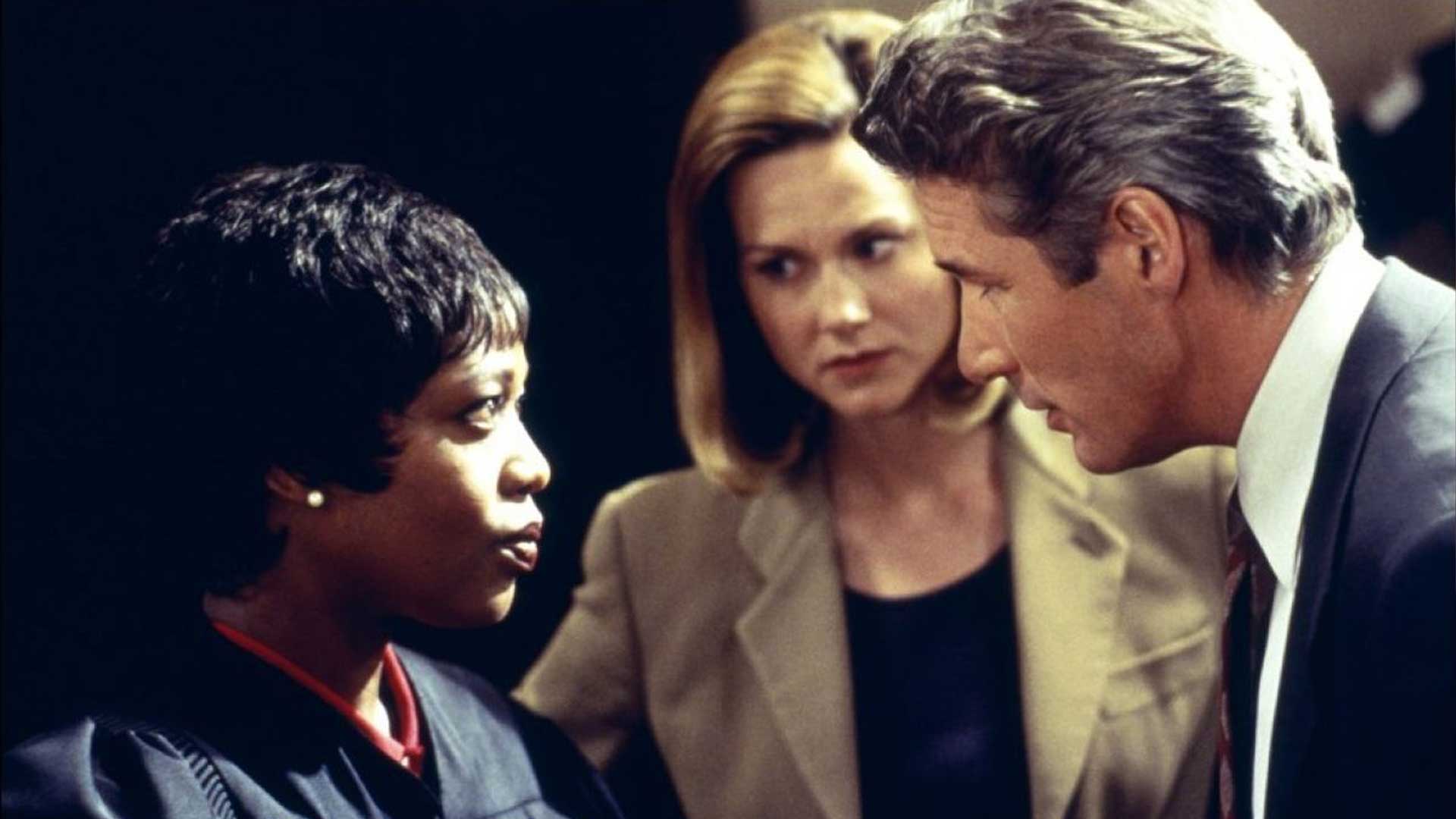
However, nothing is more shocking than the twist ending, and I remember when I first saw the movie, it caught me off guard. Thirty years after Primal Fear made its theatrical debut on April 5, 1996, the twist still holds strongly not only as one of the biggest, but also among the best seen in the ‘90s era. Before the surprise ending takes place, the third act builds to a seemingly classic win of a high-profile case after Martin somehow manages to turn things around and emerges victorious, figuring he has finally saved the innocent Aaron.
Instead of a death sentence, Aaron is ordered by the judge to be confined in a psychiatric hospital for treatment before being granted a release. Over the course of Primal Fear, Martin is depicted as a big-shot attorney whose excellent legal acumen drives his confidence to take on the case. He knows the law like the back of his hand. He is also arrogant and even proudly admits it. And for a career man like him who exerts control, the subsequent reveal of him being manipulated by Aaron right from the beginning is equivalent to a knife plunging deep into the heart. It all happened when Aaron said something in his cell that shouldn’t have been possible, considering he’s prone to blackouts and amnesia. In other words, he has no recollections whatsoever when Roy takes over.
“There never was an Aaron.”
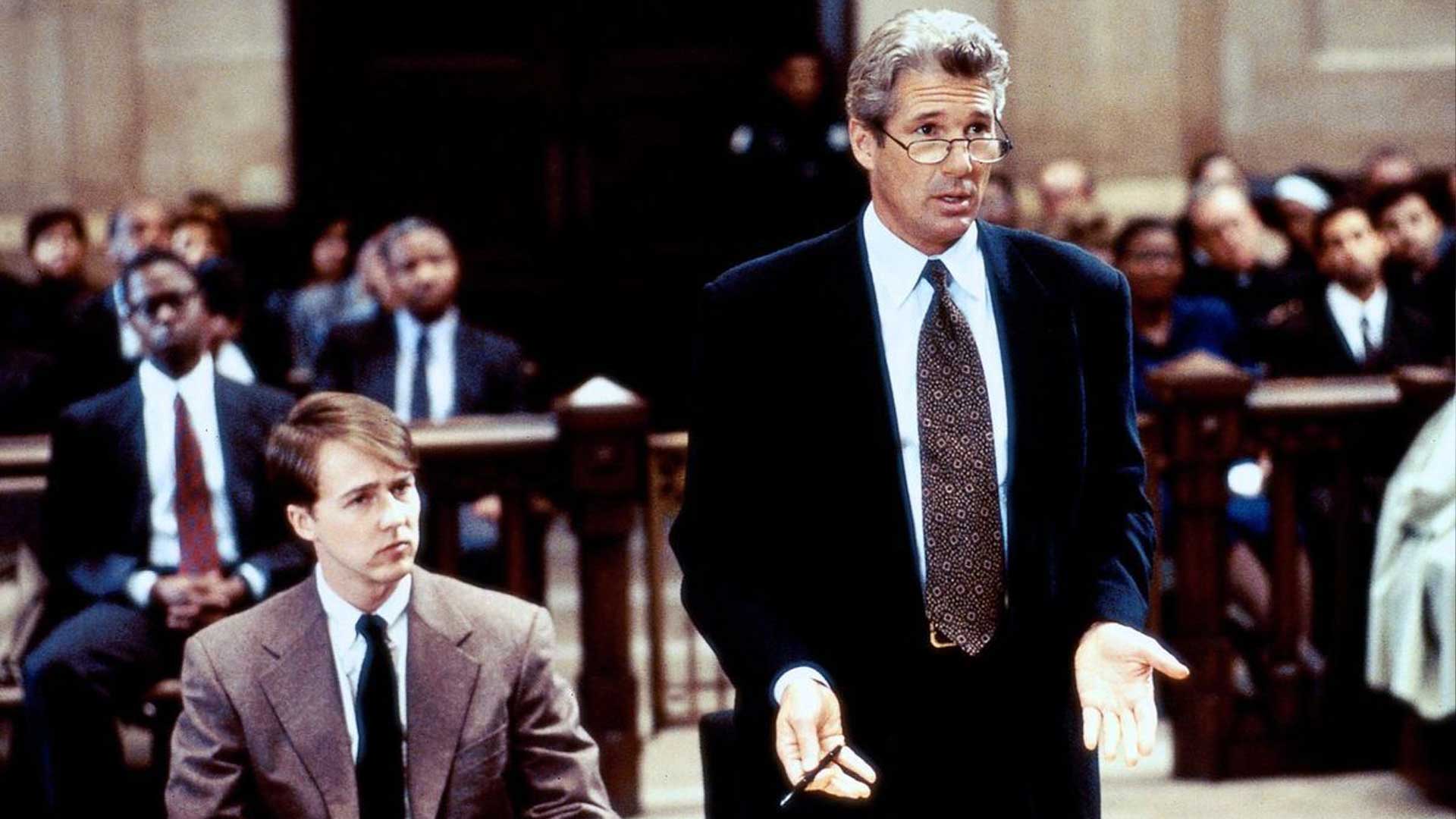
That single line itself changes everything. There’s only Roy, and “Aaron” is created to gain sympathy. Martin falls for his manipulation, resulting in undercutting his so-called victory in winning the case. That sense of betrayal delves so deep that you can’t help but feel sorry for Martin, whose ego both professionally and personally has been shattered into broken pieces, leaving him a hollow shell of his former self as we see him walking out of the courthouse, looking dejected.
Roy, the master manipulator, not only fooled Martin but also the U.S. legal justice system, proving the real “victory” comes from the way he meticulously set everything up to control the entire narrative. This is no doubt one of Norton’s best performances, and believe it or not, Primal Fear marked his acting debut. His sly portrayal as Aaron/Roy earned him a well-deserved Oscar nomination in the Best Supporting Actor category, only to lose to Cuba Gooding Jr.’s showy performance for Jerry Maguire.
Till today, I personally felt Norton should have won instead. Playing a character with split personality disorder provides a challenge for any actor to see whether one can pull off the role convincingly without resorting to over-the-top histrionics. Norton successfully inhabits his role, and the fact that he’s not succumbing to chewing the scenery demonstrates his control over acting.
RELATED: 15 Years Later, Insidious Isn’t Only About Wandering Spirits – It’s Much More