


On April 1, 2011, Insidious opened across theaters globally after first making its debut at the Toronto International Film Festival the previous year. It marked the triumphant return of collaborators James Wan and Leigh Whannell, who had reshaped the horror genre with Saw in 2004. The sky looked to be the limit for these two Aussies after they turned Jigsaw into the next big villain, and everybody in Hollywood wanted a piece of them. However, they quickly realized the studio system can suck you in and spit you out faster than anyone can say, “Hello, I want to play a game.”
Insidious wasn’t only two friends teaming up to make a movie again. It was them rediscovering their passion for filmmaking and exorcizing their own Hollywood demons.
After Saw, Wan and Whannell experienced an influx of opportunities. Wan directed Death Sentence (the quasisequel/rehash of Death Wish) and Whannell turned in two scripts for Saw sequels, while they made ventriloquism-themed horror Dead Silence together. Yet, in 2007, something shifted. The pair stepped away from the film business for a while. It appeared to be another classic case of burning so fast that you burn out, which has been seen countless times in the entertainment industry.
This wouldn’t be another cautionary tale about the perils of show business, though. Wan and Whannell returned with Insidious, produced by Jason Blum of Blumhouse Productions fame. The film cost a paltry $1.5 million to make. Even by 2011 standards, this was dirt-cheap for a horror movie. While the Saw series had amped up the production costs to deliver more innovative kills and gore, it appeared like Wan and Whannell were heading backwards into low-budget territory.
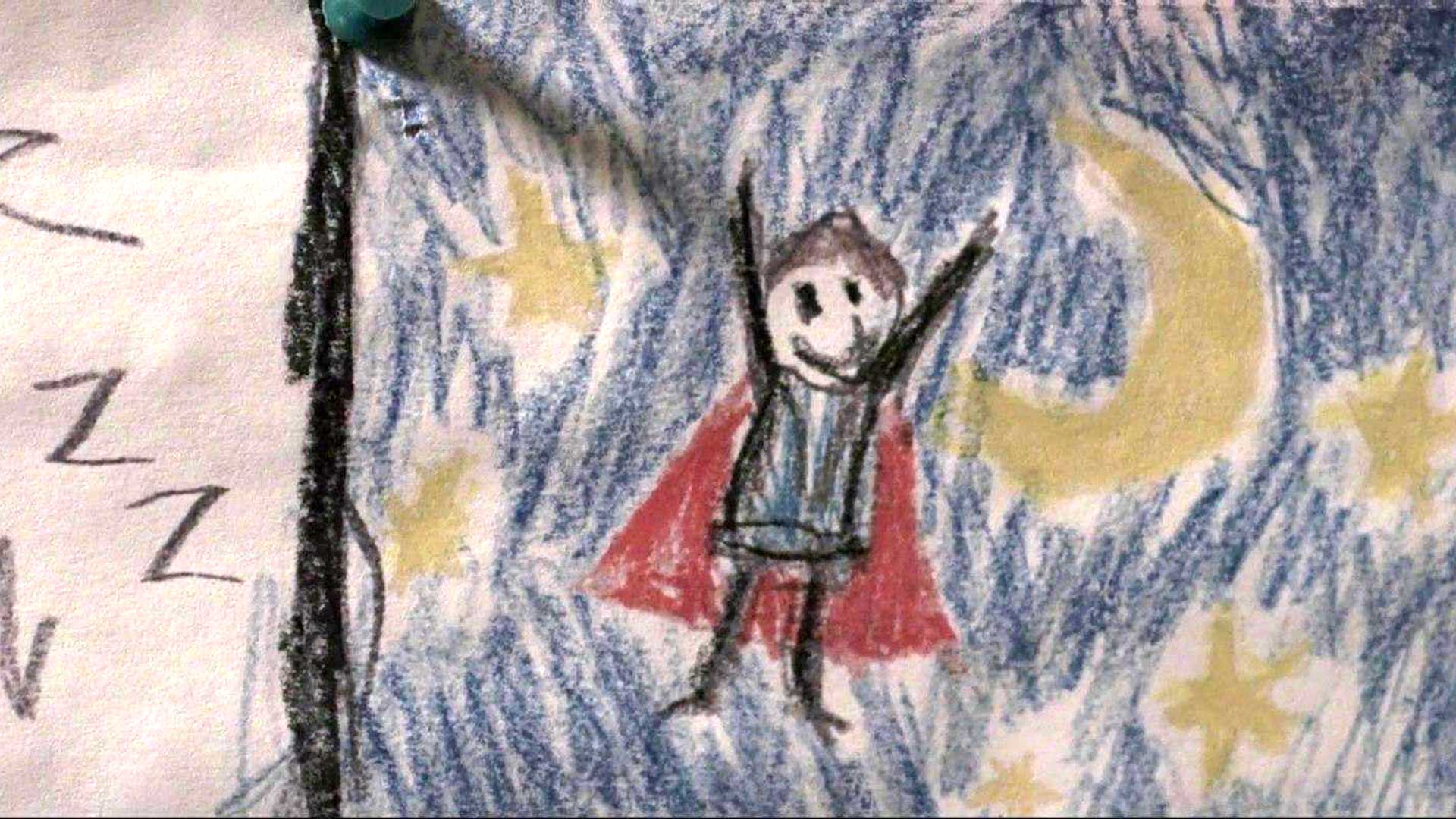
Here’s the irony: this is exactly where they thrive. The first Saw wasn’t successful because of fancy-schmancy special effects or big-name actors; it succeeded because of how Wan and Whannell connected with the audience in telling a frightening story. Don’t forget that the bulk of the 2004 film actually takes place in a dingy bathroom that hasn’t seen a drop of bleach in decades!
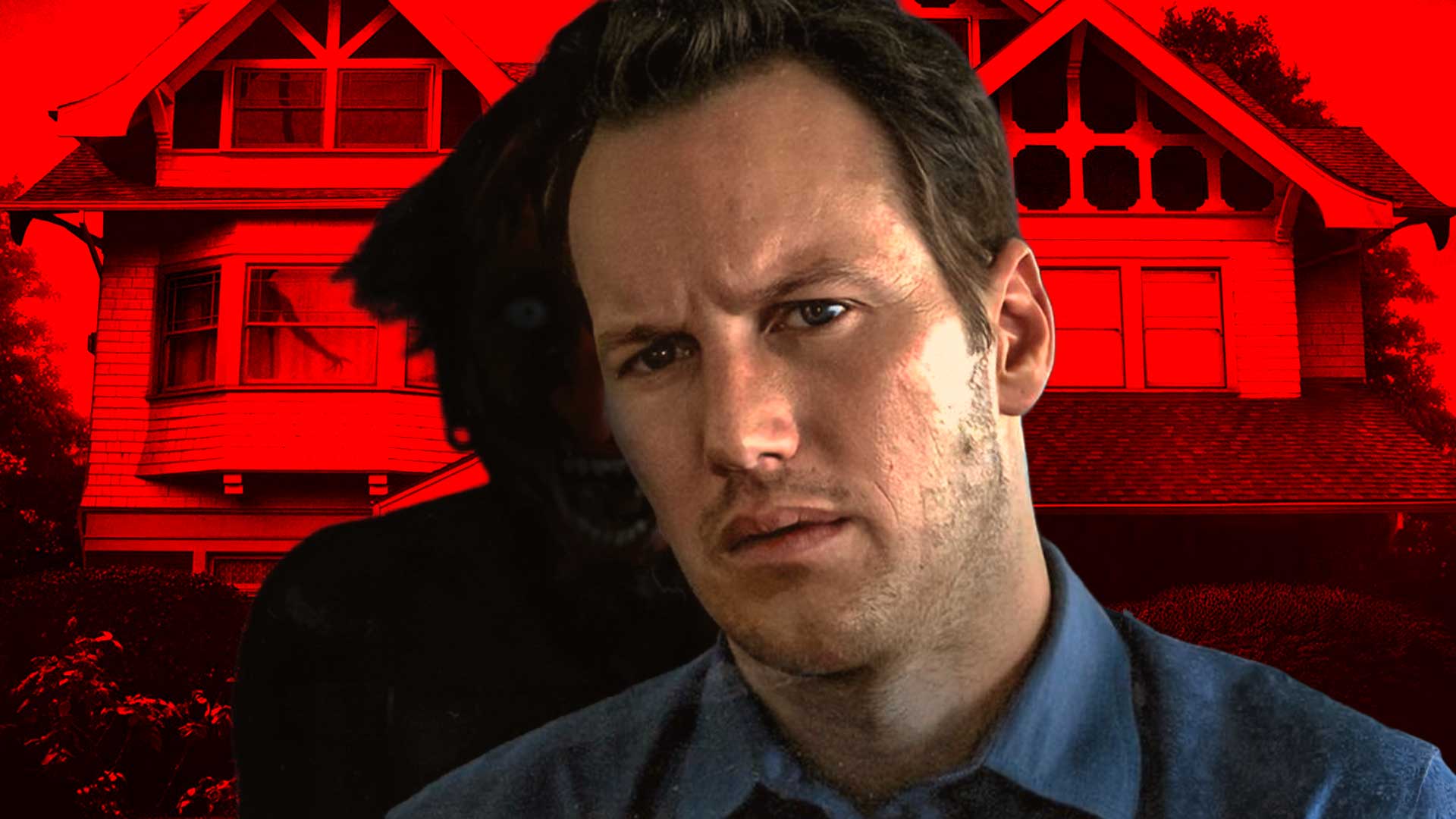
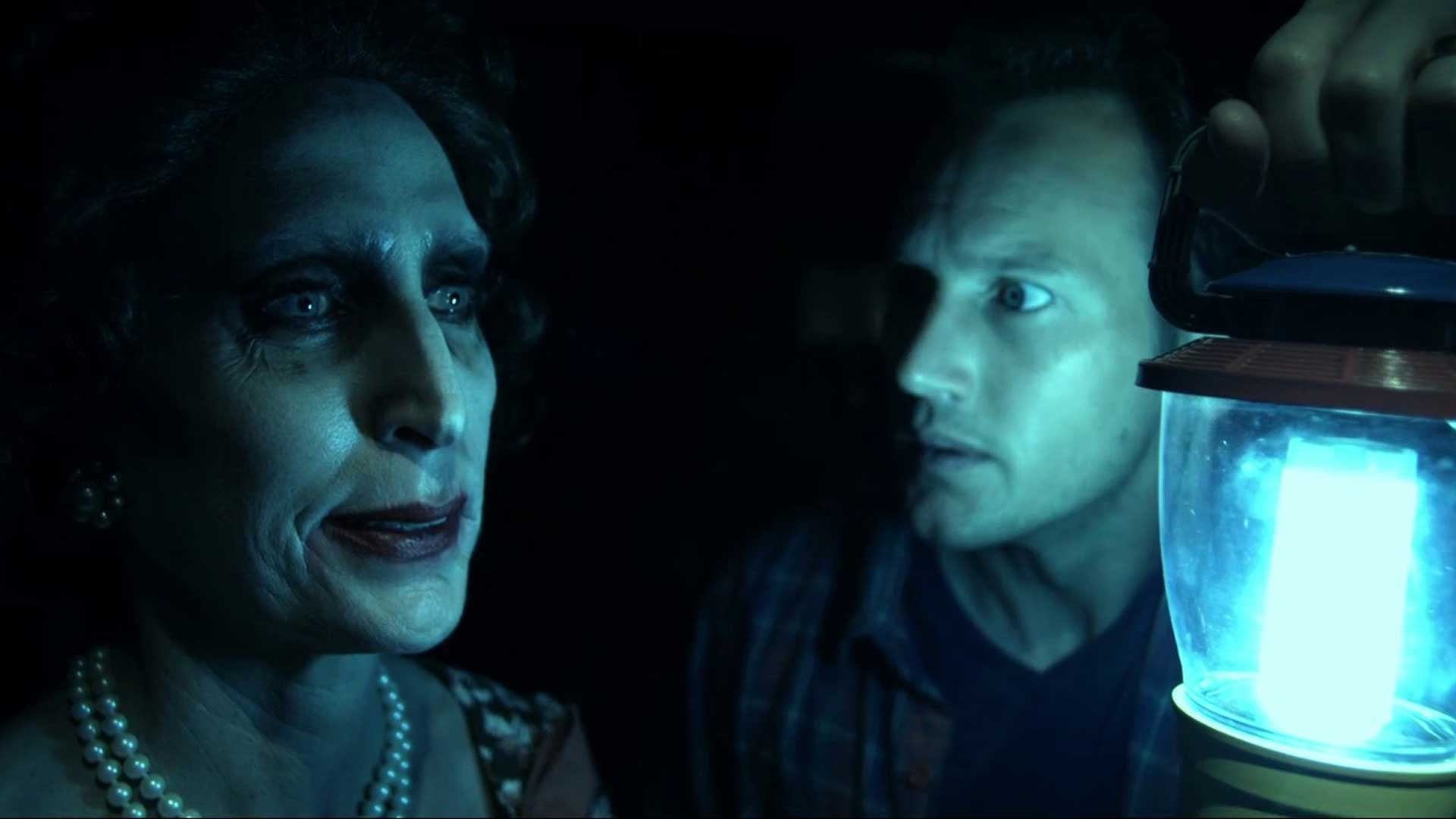
Insidious embodies the same principle. This is a story about the Lambert family who become worried after their son Dalton (Ty Simpkins) enters a comatose state. As the Lamberts attempt to find out what’s happening to their child, they discover more about the patriarch Josh’s (Patrick Wilson) complicated past and his ability to astral travel. In turn, this leads them to find another realm known as the Further where evil spirits, such as the Darth Maul-looking Lipstick-Face Demon (Joseph Bishara), reside.
While the concept of out-of-body experiences isn’t anything new in horror, Insidious takes it to another terrifying level. There’s a perpetual state of eeriness understood by anyone who has ever woken up at night feeling as if they have just returned to their own body and can’t explain where they’d been. Much like The Exorcist made the world paranoid about demonic possession, Insidious made it worry what happens if your spirit goes for a joyride while the body rests.
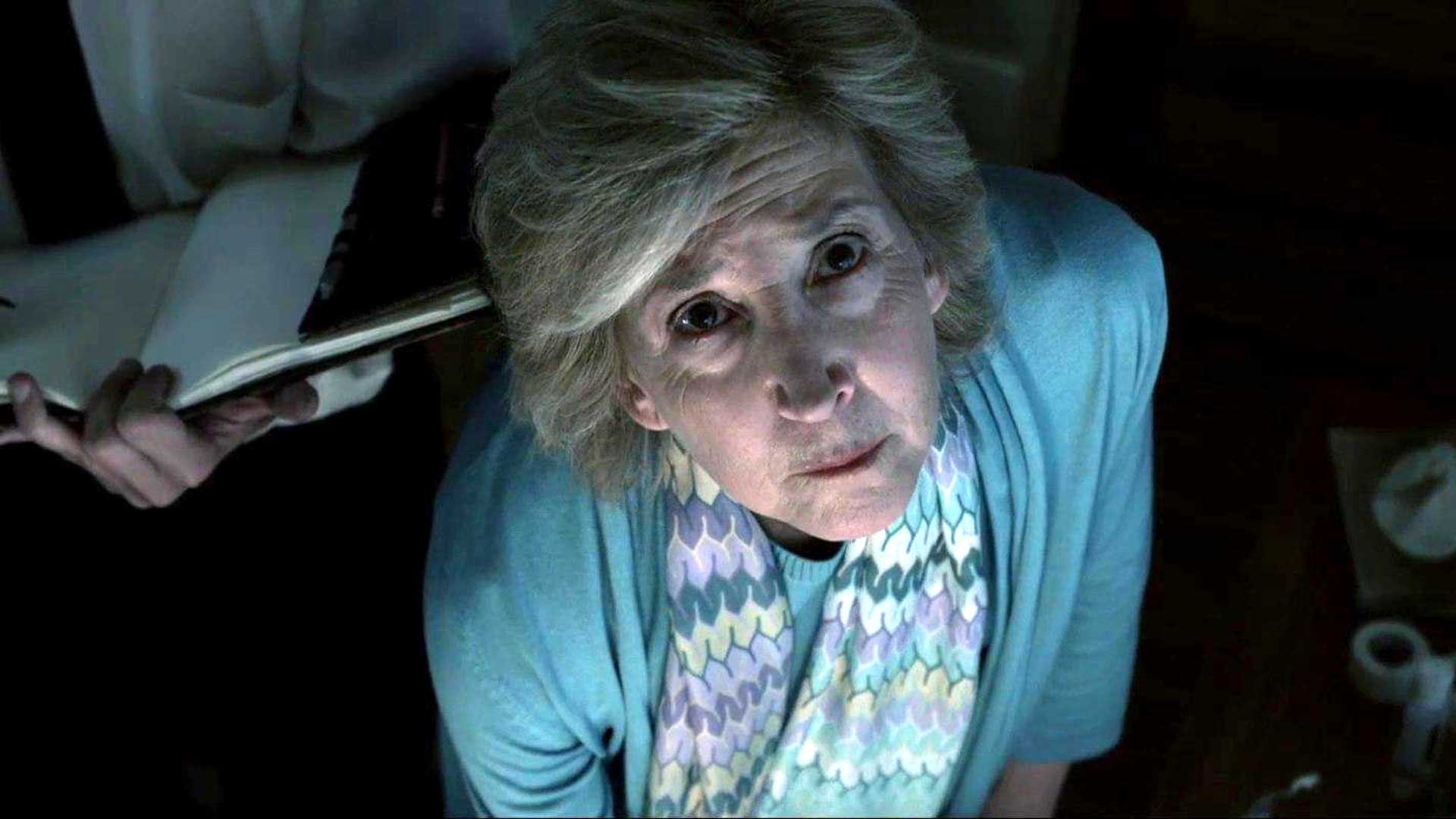
At its core, though, is the concept of family and how the demons of the past get passed down generations. The genre of horror is one of the best for metaphors, and Insidious contains its own pertinent themes. Filter out all the ghosts and astral travel to find the real story is about Josh’s trauma never being addressed. It’s suppressed, and it eventually impacts his own family. Relatable to anyone watching but also applicable to what Wan and Whannell experienced in the film industry in the 2000s.
Insidious turned into a jaw-dropping box office hit, making over $104 million worldwide. The return on investment speaks for itself here. Money aside, Insidious reaffirmed what everybody knows about filmmaking, and the horror genre in particular: a big budget is nice to have, but it isn’t the single most important factor to a film’s success. If the story isn’t right, nothing else matters. Friday the 13th and Paranormal Activity are two notable examples of how magic was made on a shoestring budget.
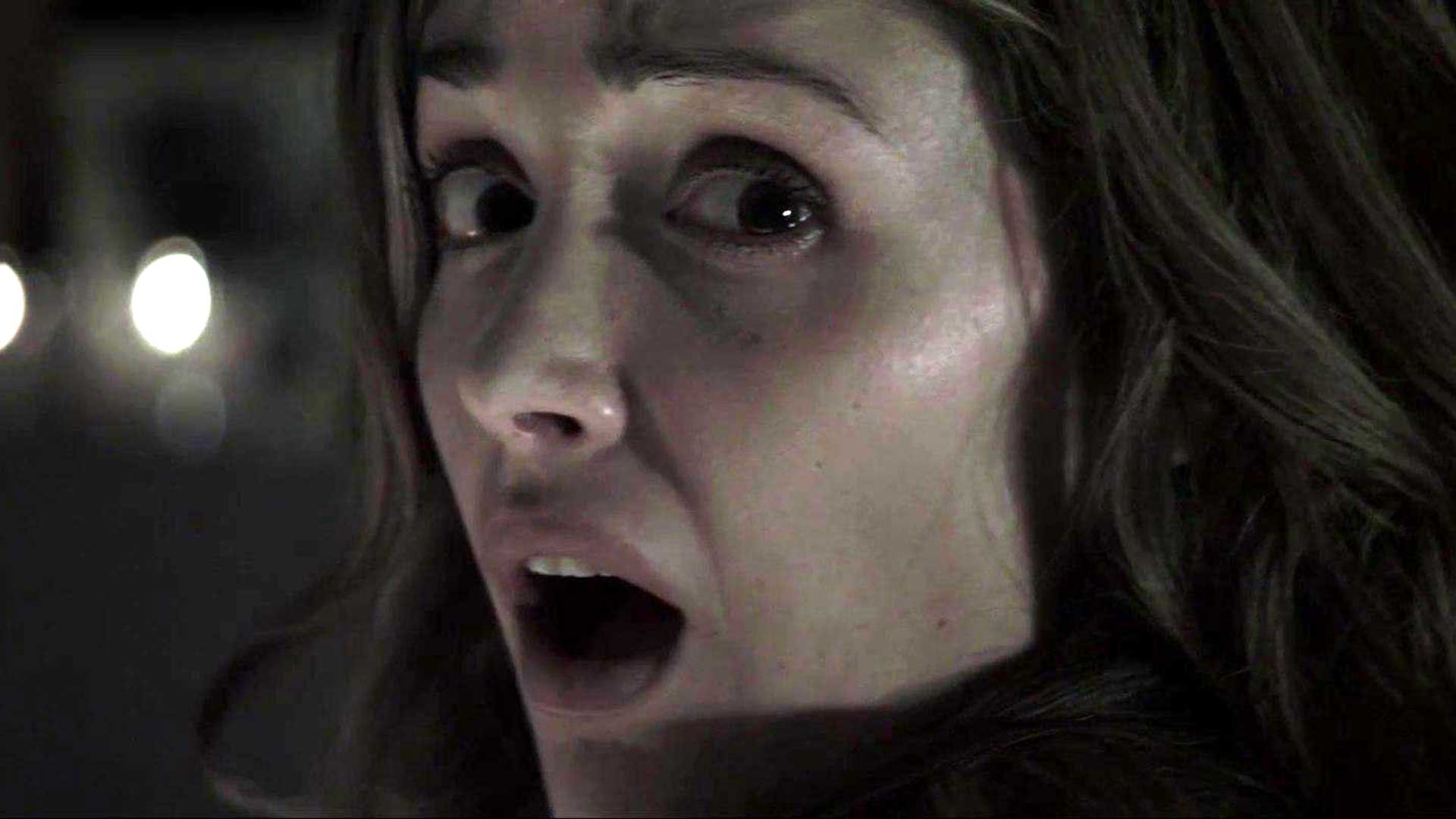
Fifteen years after its wide release, Insidious still gives you the chills and creeps. That’s special. It’s a film that has a fraction of the cost of big franchises like The Conjuring or Scream; yet, it still gets under your skin and itches at you long after the credits roll.
While James Wan and Leigh Whannell will always be known for Saw and they have gone on to make blockbuster splashes in Hollywood, let’s not forget one thing: Insidious is their magnum opus. It’s a love letter to what makes the horror genre so powerful, as well as a rallying call to other filmmakers to find their way back home when they feel lost in Hollywood.
RELATED: Insidious 3: The Shocking Prequel That’s Been Totally Forgotten