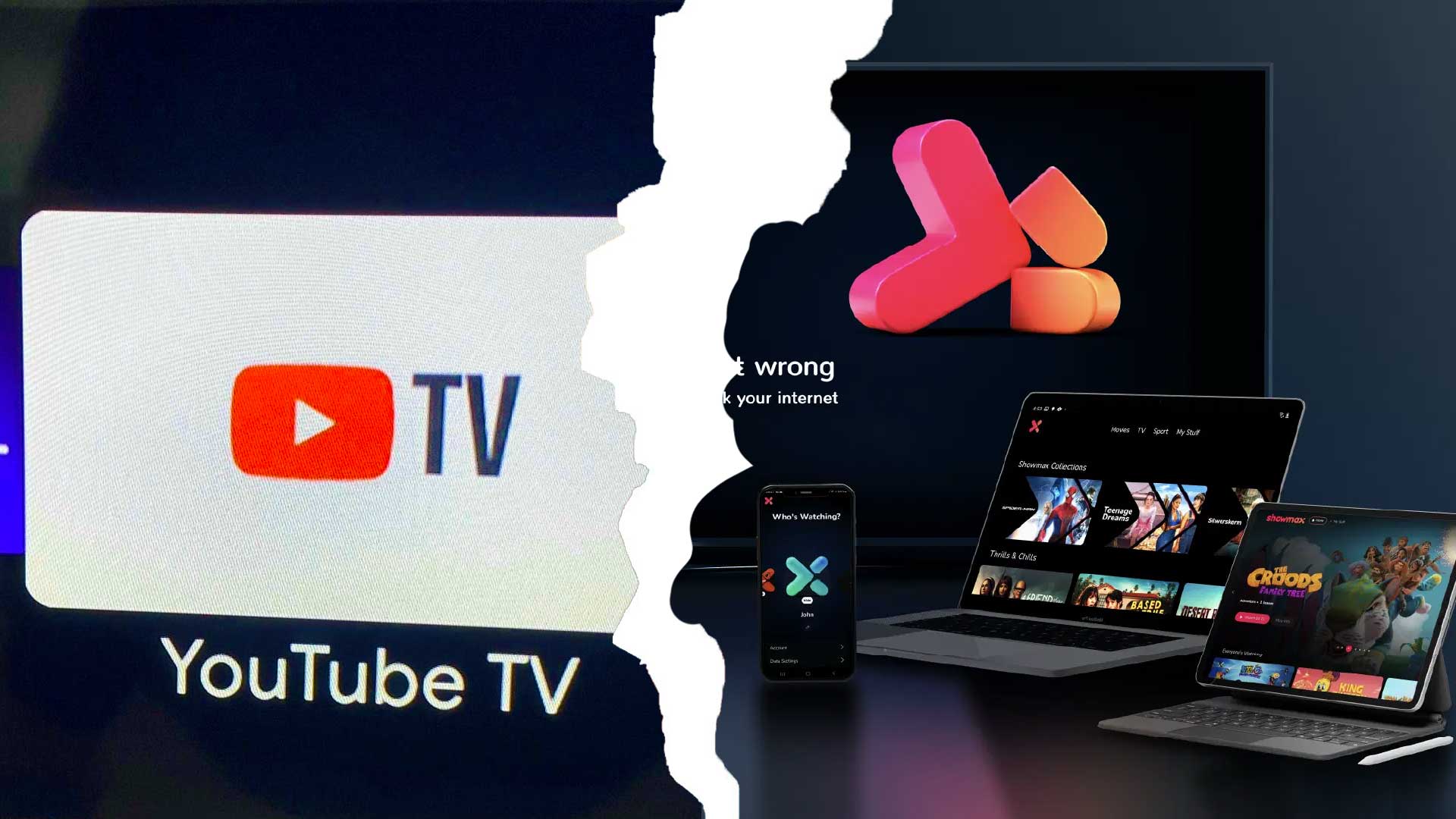


At the end of April 2026, streaming service Showmax shut down. While owner Canal+ said the platform wasn’t making money and that it was a necessary culling, the loss is being felt by African filmmakers, since there’s now one less production and distribution avenue. Throw in the fact that Netflix and Prime Video’s investment in Africa has diminished, and it’s all too easy to be down in the dumps about the state of entertainment on the continent.
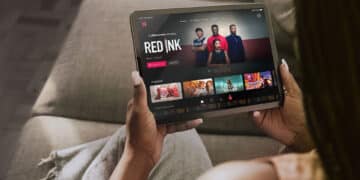
In light of these events, publicist Kevin Kriedemann, who worked for Showmax for many years, decided to challenge himself for the month of May. He watched one African film a day for the entire month and reported back on what he found on his Substack and curated a YouTube playlist. The best part of his Africa Day challenge? All of these films were free to view on YouTube – from Oscar winners to festival favorites.
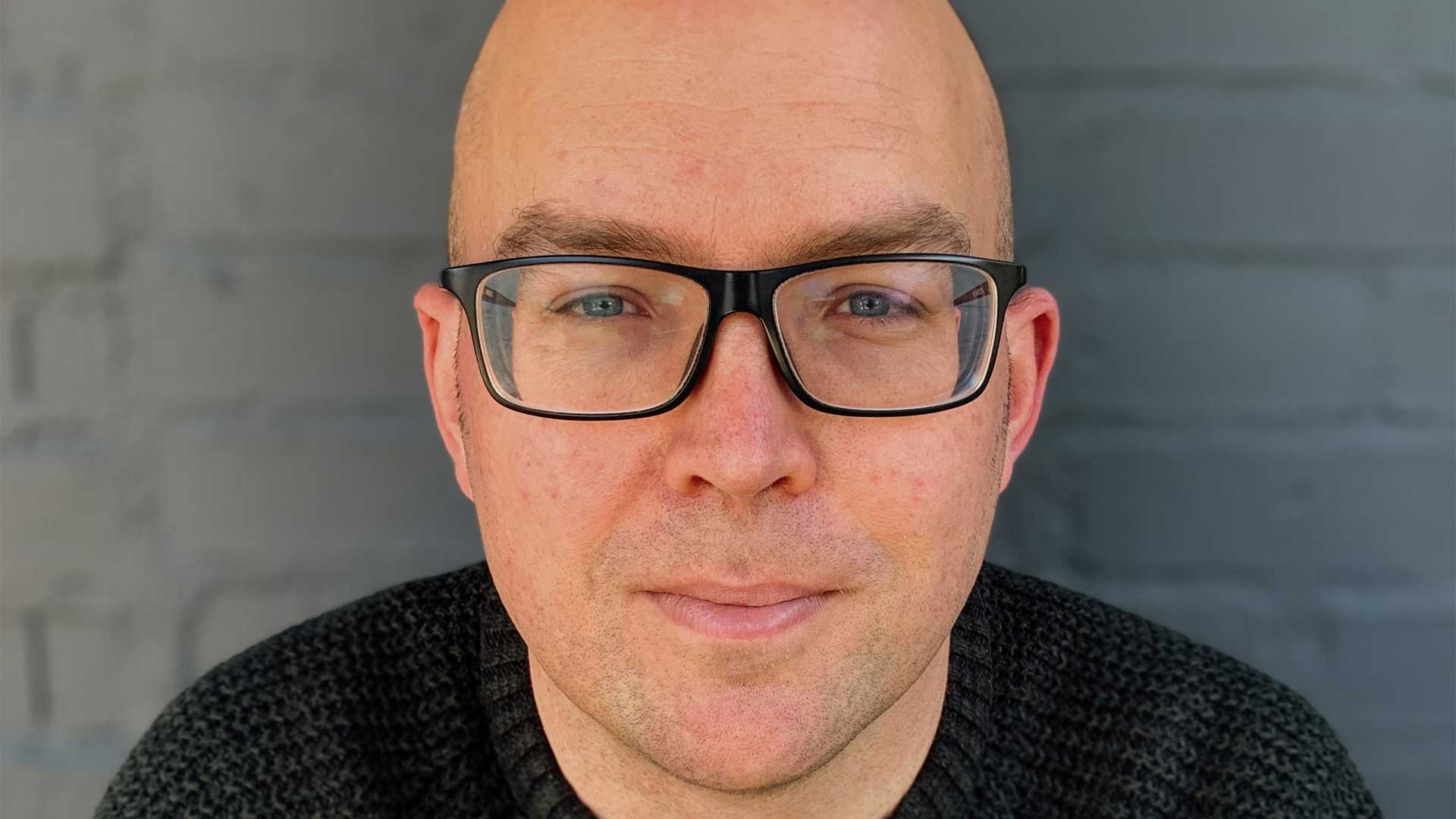
This sparked an interesting thought: Is YouTube the future of African entertainment? As it stands, it certainly appears so, as the other major streaming services aren’t interested in greenlighting content outside of their specific niches. The output is low, and only melodramas, true crime, and reality series appear to be safe from becoming spreadsheet casualties.
“What happened is streaming was focused on growth for a long time,” Kriedemann explained. “When you’re focused on growth, you’re trying to cater for communities that haven’t been catered for before.”
The problem is – like the dot-com boom – the streaming bubble eventually burst. And when it popped, it wasn’t like a balloon losing its air. It was more akin to a volcano erupting and wiping away everything in its path. “The markets went from the venture capital era of streaming, where we could spend more money than we make because we’re building something and it’s a bit of an arms race, to the current moment, which is ‘How do we get the books to balance?'” Kriedemann said. “And when you’re trying to balance the books, it doesn’t reward innovation; it doesn’t reward new markets.”
Despite the majority of streaming services turning their noses up at African entertainment beyond the niche, the creativity hasn’t been deterred. “Content-wise, I feel like we’re making the best content we’ve ever made,” Kriedemann said. “If you look at the Emmys last year, five of the nominees came from South Africa, and there was a sixth from Kenya. For context, that put South Africa in third place overall, ahead of France. So, the content’s great. We’ve gotten very good at stretching money and working with less money, but I think it’s purely just that the business model is a little broken at the moment.”
YouTube appears to be the beacon of hope in this strange streaming era. “YouTube has quietly snuck in and won the streaming wars,” Kriedemann said. “When you look at the graphs, it’s really interesting. It’s got more viewers than Disney+ and Netflix combined. When you look at who’s watching their TV in the lounge in America, more people are watching YouTube than Netflix. So it’s at this transition moment again, where it has gone from cat videos and lowbrow short-form stuff for mobile to a 4K experience on the big screen.”
Having said that, YouTube isn’t without its challenges. With the algorithm always changing, what works today might not be viable tomorrow; you need subscribers and reach. Coupled with this is the issue of monetization. It costs money to make content, and if you’re only making pennies from what you’re producing, it’s tough to continue.
It’s also important to address the elephant in the room here: There’s a serious challenge in the African landscape surrounding PR and media relationships. The reality is that people aren’t connecting with the media to let them know what’s happening with themselves or their clients. Whether it be because of a general distrust, apathy, or lack of professionalism, there’s simply not enough being done. Even the big corporations fail at this. Look at how journalist Thinus Ferreira called out Canal+ on X about how all the internal email addresses changed and nobody bothered to let the media partners know. That’s laughably bad and sounds like a corporate blunder straight out of The Office.
It isn’t all bad news, though, as figures like Kriedemann continue to champion African content and understand the value of the entire entertainment ecosystem. Even though there’s no quick solution or fix, he believes resilience and perseverance are the two most necessary tools here. “You have to be a little bit of an optimist to be a filmmaker,” Kriedemann said. “You’ve got to be backing yourself to defy the odds and be that person. And there are people making it work.”