


When it comes to medical comedies, television series dominate the most with notable titles such as M*A*S*H, Doogie Howser, M.D., Nurse Jackie and of course, Scrubs. But that doesn’t mean the subject is completely overlooked in the eyes of the feature-length movies. Take Robert Altman’s M*A*S*H, for instance – widely seen as the pioneer of the genre that brilliantly combines cheeky comedy with the somber and practical tone of medicine. So, whether you prefer a dark satire that pokes fun at the healthcare system or something more over-the-top, we have rounded up ten of the best medical comedies worth checking out.
1. M*A*S*H (1970)
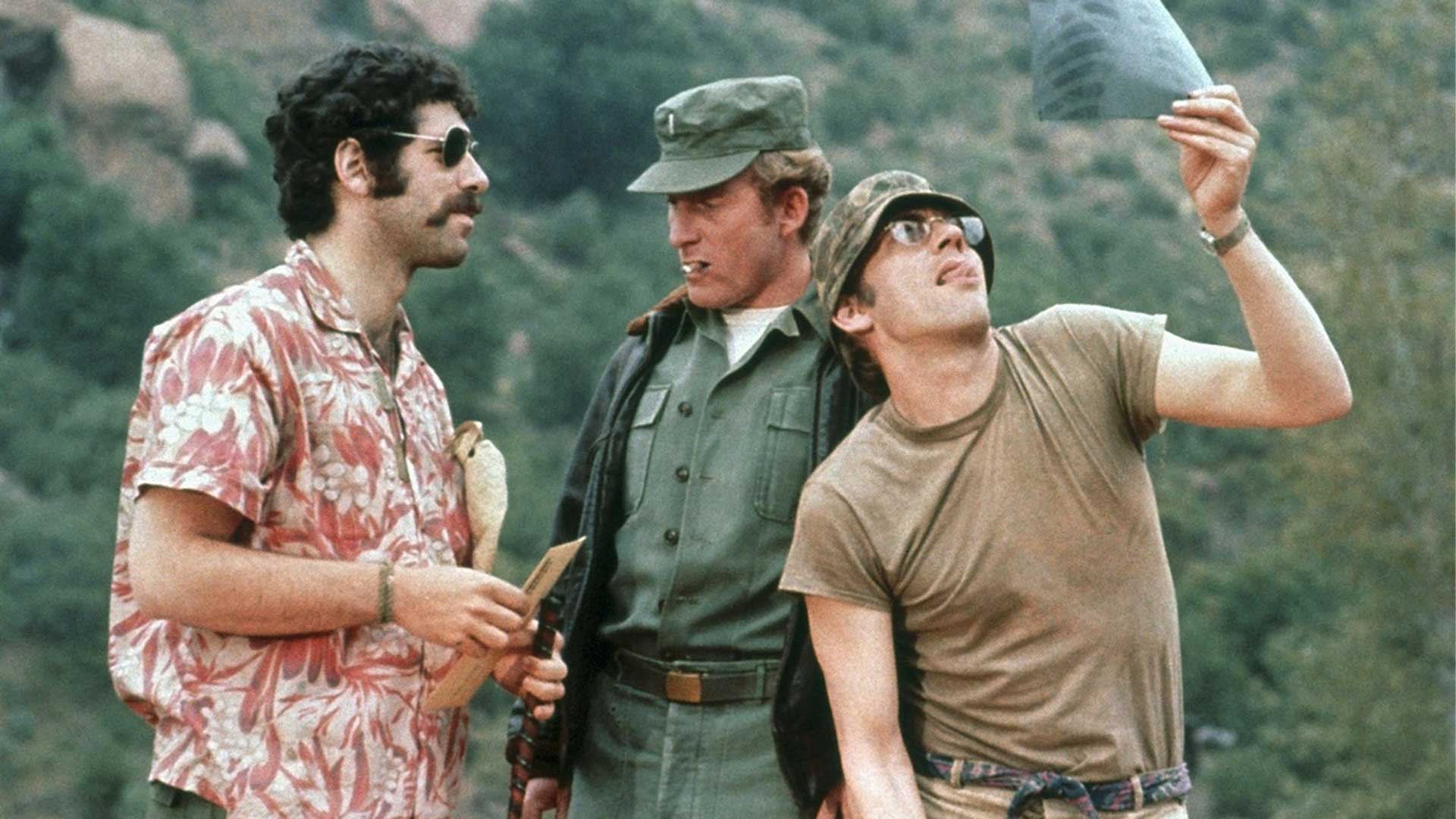
“This isn’t a hospital! It’s an insane asylum!”
Sally Kellerman’s frustrated Major Margaret “Hot Lips” Houlihan’s remark certainly sums up Robert Altman’s medical comedy classic, which seamlessly combines irreverent and dark humor with the army medical unit’s matter-of-fact surgical routines during the Korean War. The latter is especially true with the recurring scenes of a group of army doctors – among them are “Hawkeye” Pierce Jr. (Donald Sutherland), “Trapper John” McIntyre (Elliott Gould) and “Duke” Forrest (Tom Skeritt) – performing graphic surgeries on the injured soldiers at the Mobile Army Surgical Hospital.
War may have been hell, but Altman and screenwriter Ring Lardner Jr., who adapted Richard Hooker’s 1968 novel, manages to use humor, hijinks and satire as coping mechanisms to offset the harsh, everyday reality of these army doctors dealing with their duties. The comedy just keeps on coming, varying from pitch-black (the elaborate “suicide” of a deeply depressed dentist, played by John Schuck) to juvenile (a scene where “Hot Lips” and Robert Duvall’s Major Frank Burns’ passionate moment is broadcast live to the entire camp with a microphone sneaking underneath the bed for everyone to listen).
Not only M*A*S*H became a big hit but also earned the coveted Palme d’Or at Cannes and even scored five Oscar nominations including Best Picture and Best Director, despite only taking home the Best Adapted Screenplay award. The success of the movie led to a long-running series from 1972 to 1983.
2. PATCH ADAMS (1998)
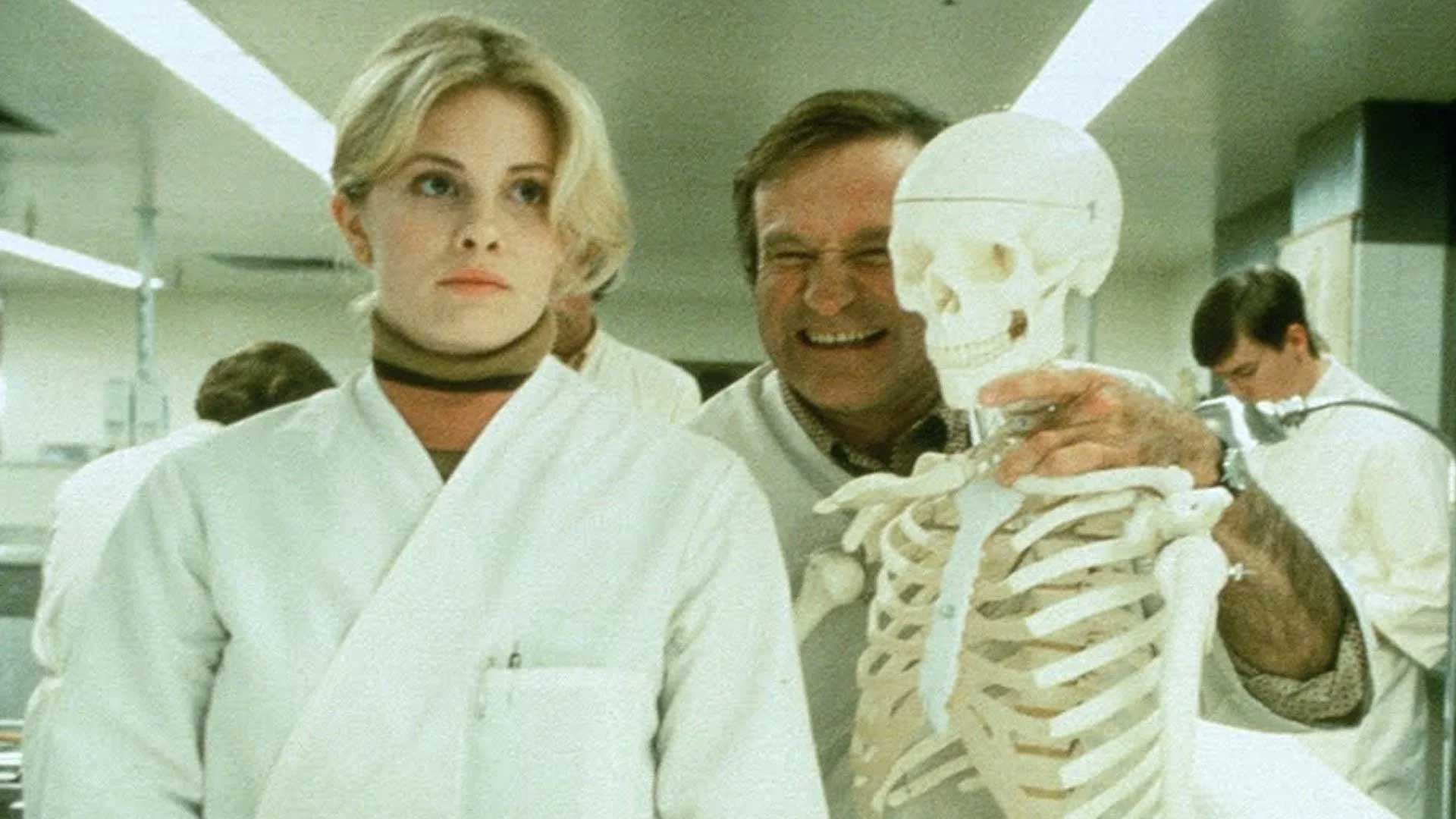
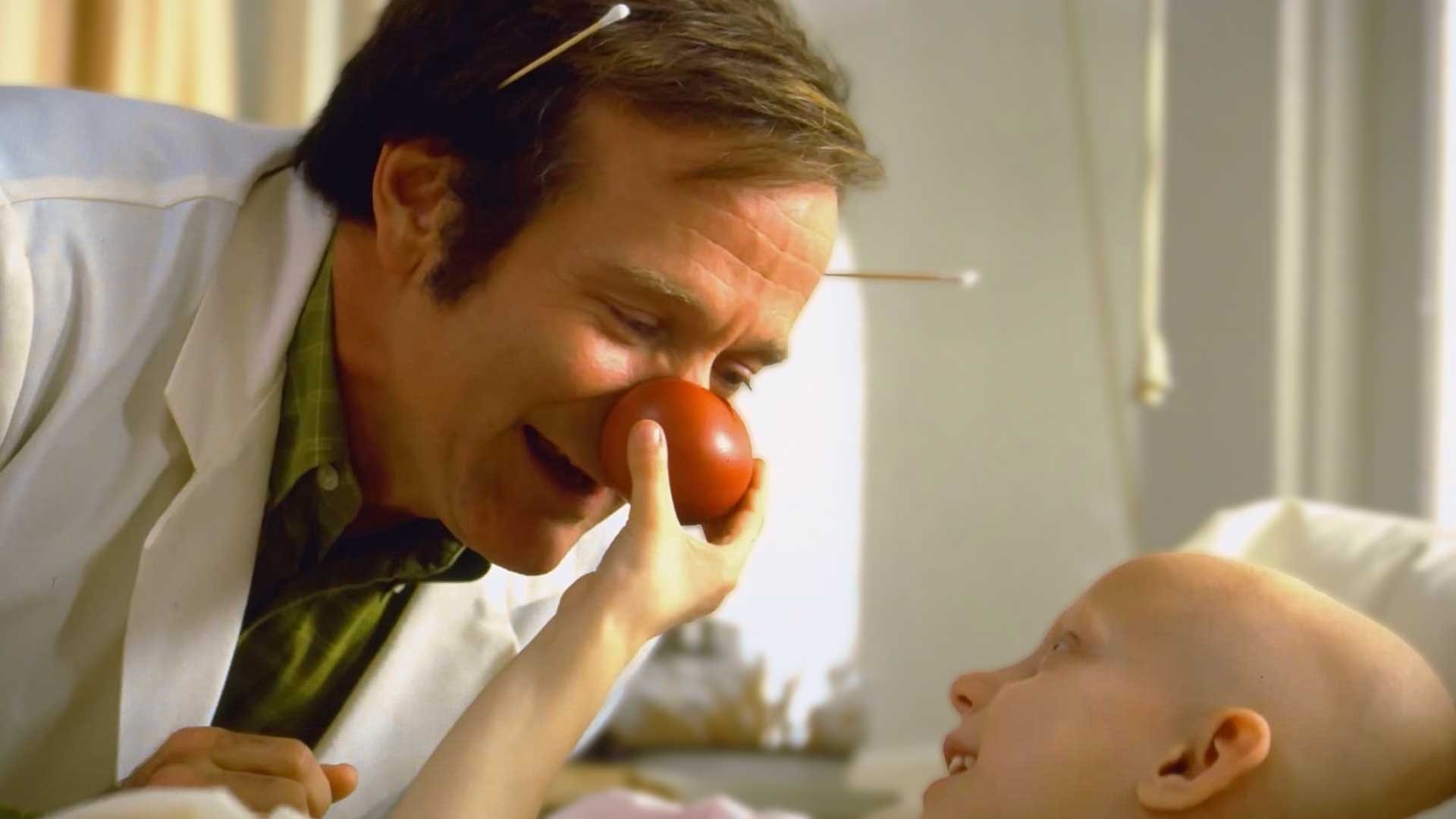
Sure, from the critical point of view, Patch Adams can be seen as unabashedly sentimental and melodramatic. But it’s hard to deny that Tom Shadyac’s 1998 comedy-drama, which is loosely based on the true story of Hunter “Patch” Adams, has the movie’s heart and humor in all the right places. The movie’s huge success, which resonates well with the mainstream audiences to a whopping $200 million box-office glory, lies in Robin Williams’ earnest portrayal of the titular doctor – a first-year medical student, to be exact – dares to challenge the traditional medical approach by using humor and a sense of compassion to help ease the patients’ sufferings.
His unconventional method may have been well-liked by most of his patients and even the nurses, but it doesn’t sit well with doctors, particularly the medical school’s dean (Bob Gunton, perfectly cast as the strict Dean Walcott). Shadyac, who is no stranger to comedies seen in the likes of Ace Ventura: Pet Detective and The Nutty Professor, manages to balance laughs with a mix of feel-good and even weighty dramas to mostly efficient results.
3. DOC HOLLYWOOD (1991)
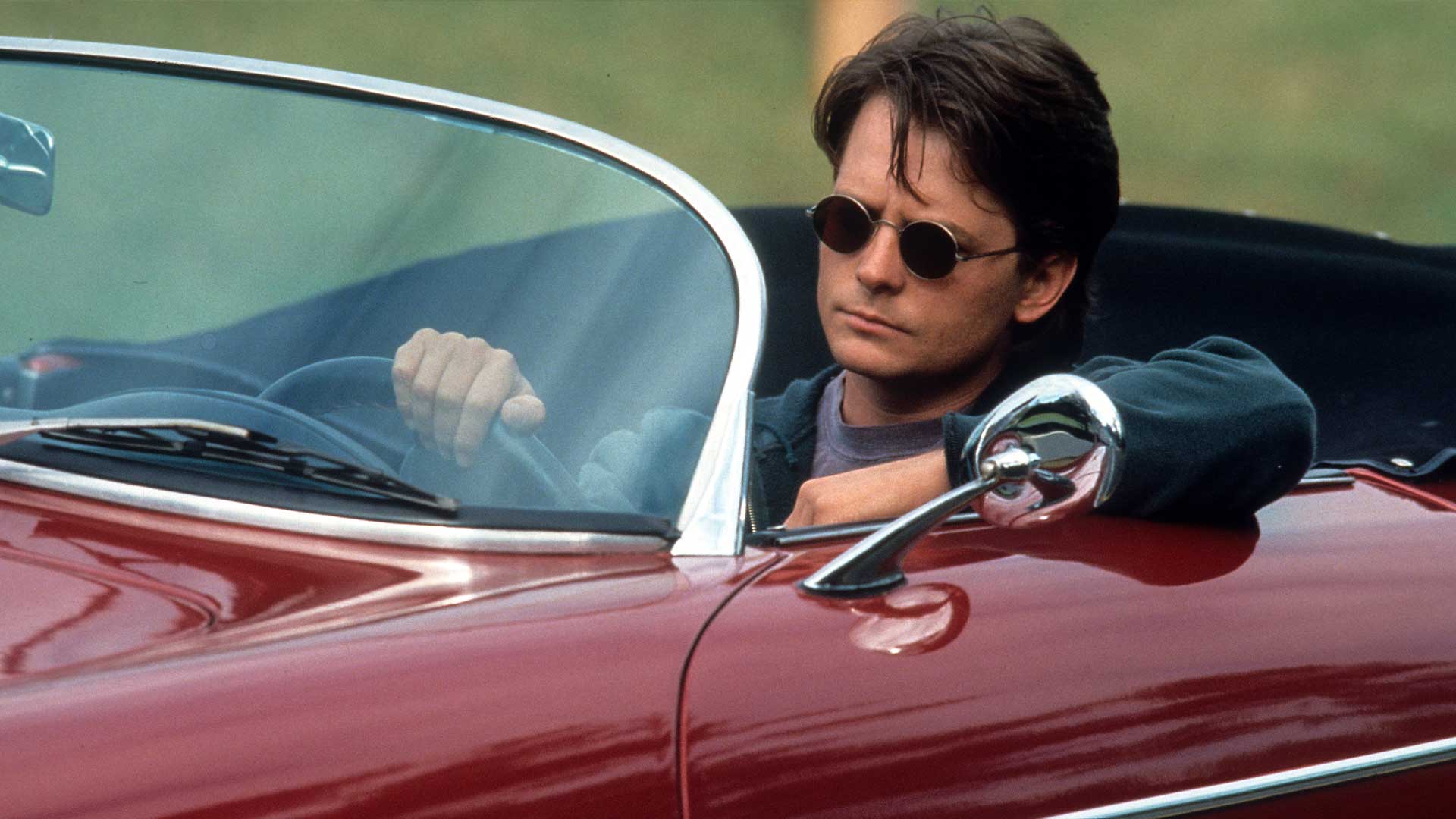
Michael J. Fox’s post-Back to the Future trilogy success sees the young actor play an ambitious doctor looking forward to making big money as a plastic surgeon in Los Angeles. Except that his fate somehow takes an unlikely detour to the small town of Grady in South Carolina. His car is down, and to make things worse, the accident that he caused forces him to perform community service at the local hospital.
The fish-out-of-water comedy approach works charmingly well in Doc Hollywood, thanks to Fox’s lively performance and the introduction of colorful characters – among them are Woody Harrelson’s knucklehead insurance salesman and Bridget Fonda’s horny daughter of the mayor. Frankly, it’s hard to believe this is the work coming from Michael Caton-Jones, whose filmography typically leans into dramatic features like Scandal, Memphis Belle and Rob Roy.
And yet, his somewhat odd career departure proves he has the knack for handling a different genre. Apart from the lighthearted humor, he also brings out the best in Fox and the stunning Julie Werner’s on-screen romantic chemistry, where the latter plays an ambulance driver and a law student.
4. CRITICAL CONDITION (1987)
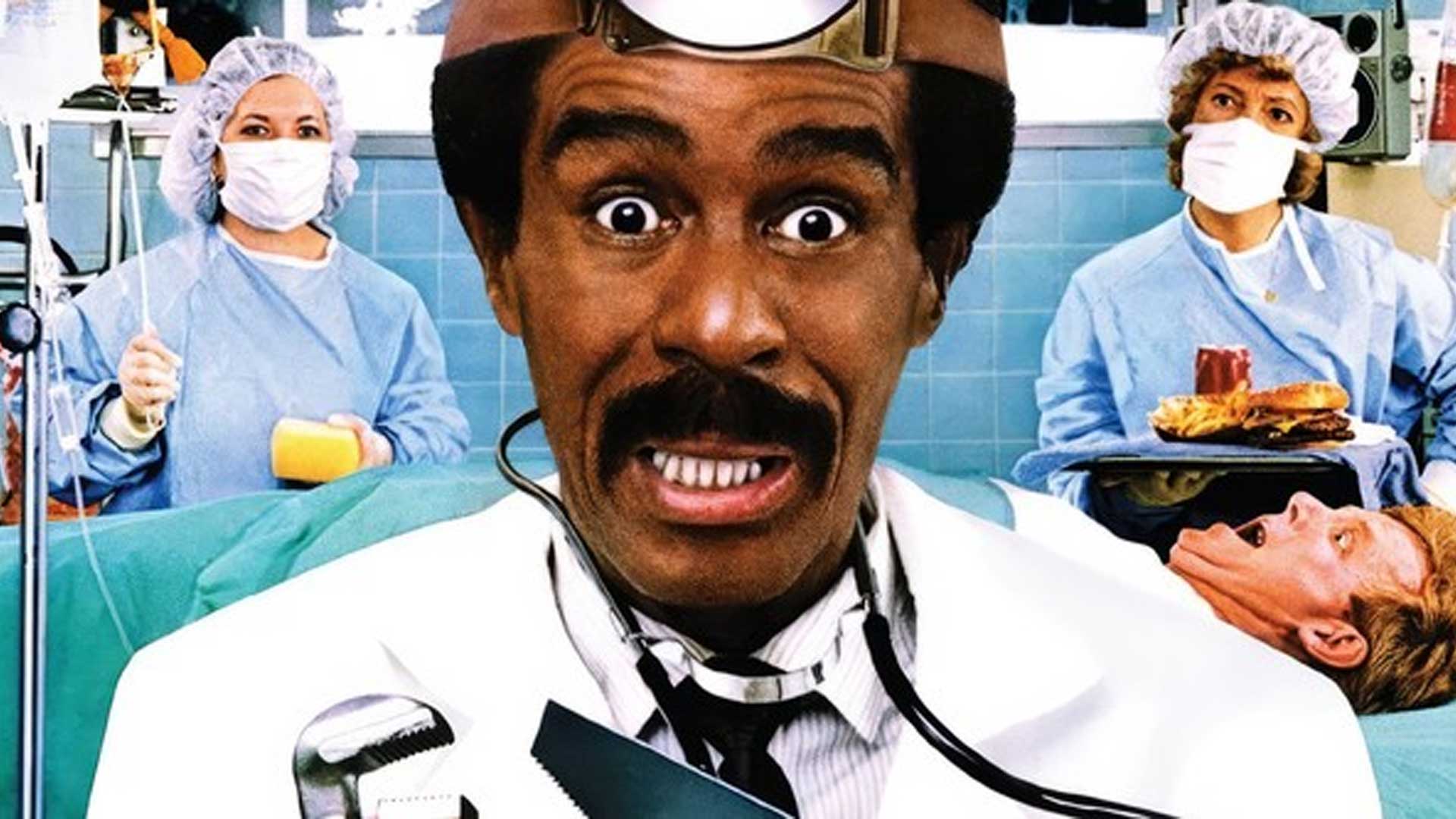
Leave it to Richard Pryor when it comes to playing a character who must fake it to make it. And in this case, Critical Condition revolves around Pryor’s con-man Kevin Lenahan finding himself in an unlikely situation: He’s being mistaken as the ER surgeon Dr. Slattery while he’s in the hospital. Originally, he fakes insanity in front of the judge following his arrest during a trial earlier to avoid prison, which in turn, has him transferred to the psych ward instead.
The fun part arrives once Kevin has no choice but to play along. Pryor’s high-energy comedy schtick is put to good use, from the way he’s bossing around the medical personnel to keeping everything in control. The movie equally benefits from a solid supporting cast, covering Rachel Ticotin’s charming hospital administrator Rachel Atwood to Joe Mantegna’s arrogant chief of staff Arthur Chambers, and Bob Saget’s overwhelming resident Dr. Joffe.
Interestingly, this kind of comedy like Critical Condition feels uncharacteristic for Michael Apted being attached as the director. But he is surprisingly doing a better-than-expected job navigating the chaotic comedy front elevated by Pryor’s manic performance and the underlying satire of all things bureaucratic in the hospital industry.
5. ARTICLE 99 (1992)
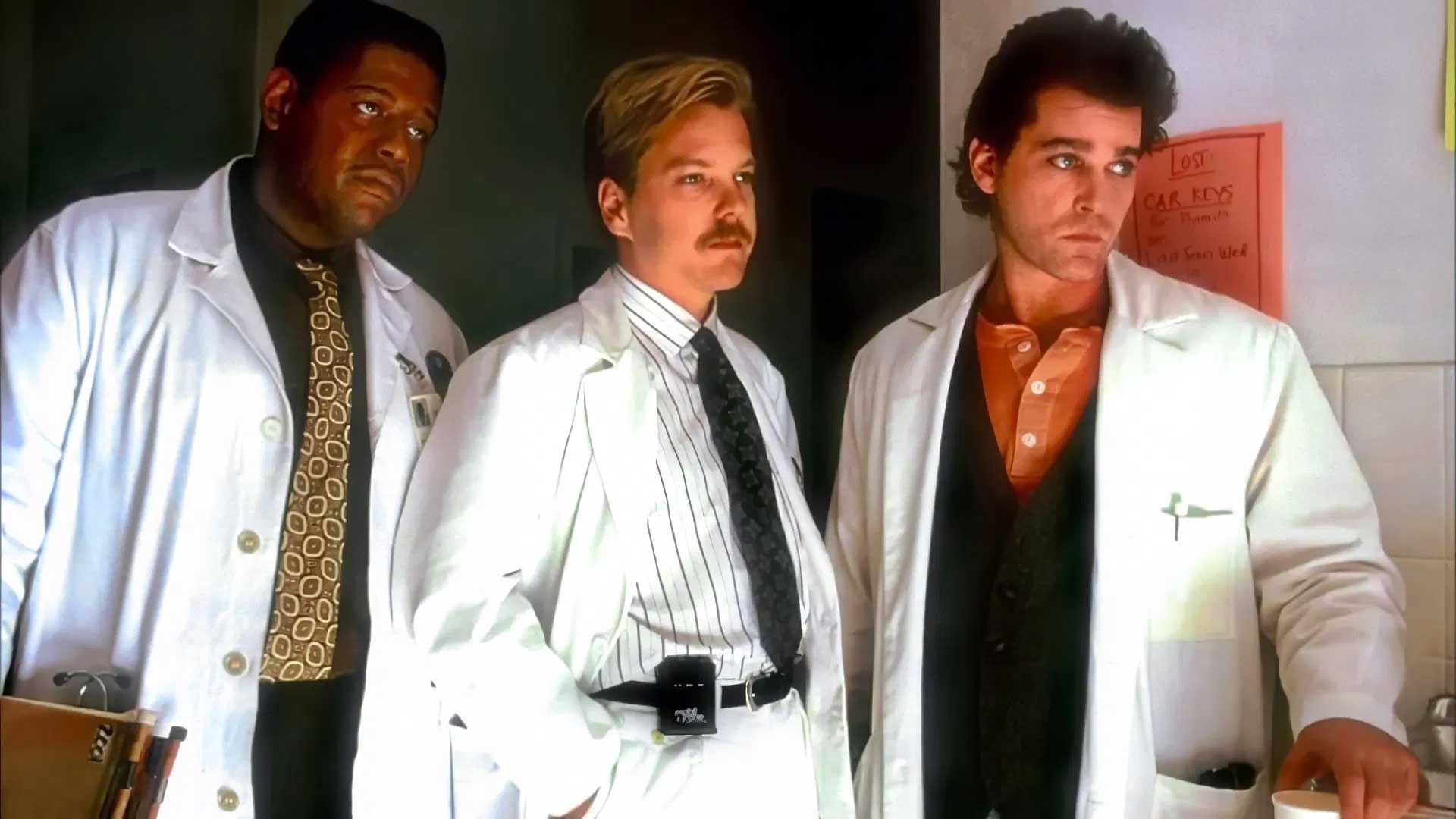
It’s rebellion against the bureaucratic, red-tape hospital system in Article 99. Howard Deutch’s comedy-drama centers a group of renegade doctors, led by Ray Liotta’s Dr. Richard Sturgess denies the strict Veterans Affairs (VA) policy to care for the disregarded patients at the Monument Heights Veterans’ Hospital. The frantic nature of the story resulted in these doctors going for the extra length by stealing medical supplies.
Liotta’s live-wire performance is equally backed by strong support from familiar names like Kiefer Sutherland as the conflicted Dr. Peter Morgan, John C. McGinley as the bold Dr. Rudy Bobrick, and Keith David as the wise wheelchair-bound veteran Luther Jerome.
Too bad Article 99 didn’t do well when it was released back in 1992. Beyond its far-fetched and occasionally melodramatic premise, the movie still deserves praise not only from the committed cast but also the effective mix of broad and absurd humor with the topical subject surrounding the impassioned healthcare system towards the veterans.
6. CRITICAL CARE (1997)
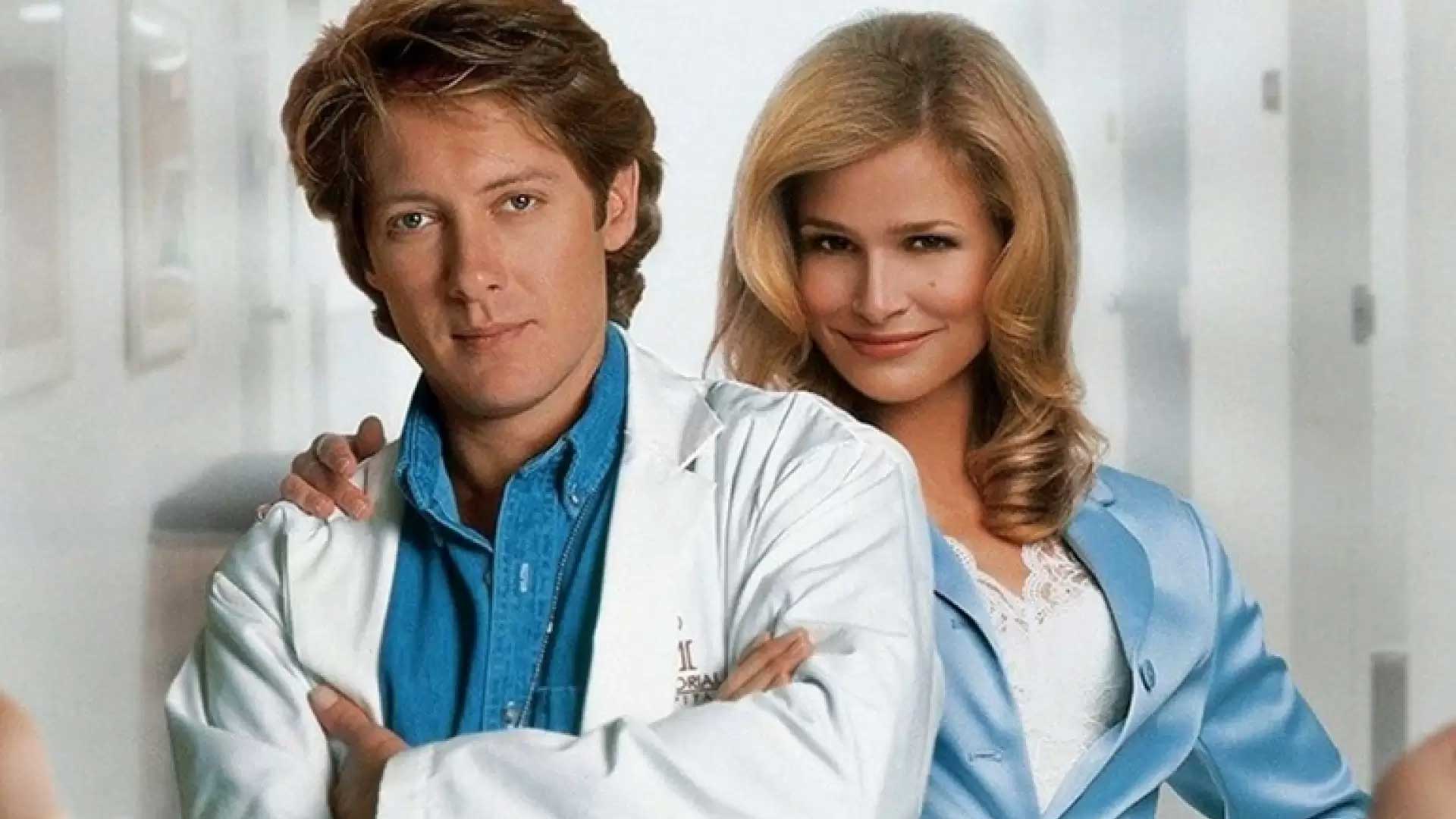
Sidney Lumet brings his virtuoso direction with a cynical point of view to satirize the American healthcare system in Critical Care. Based on Richard Dooling’s 1992 debut novel of the same name, the dark comedy centers on Dr. Werner Ernst (James Spader), a second-year resident who’s all stressed-out and depriving of sleep.
Then comes Felicia (Kyra Sedgwick), the flirtatious daughter of a comatose father-patient who seduces him, hoping that he will help her to pull the plug on his life support. While it feels like the most humane thing to do to end her father’s suffering, her ulterior motive lies in getting her hands on the $10 million inheritance. But her half-sister, Connie (Margo Martindale) doesn’t share the same sentiment.
Lumet deftly juggles the multiple story threads from Ernst’s conflicted scenario between the two feuding half-sisters, an amusing subplot about Jeffrey Wright’s terminally ill patient being visited by a Satan’s helper in the form of a furnaceman (a perfectly deadpan Wallace Shawn), to Albert Brooks’ grouchy hospital administrator role, who only cares about maximizing profits rather than genuine patient care. The latter’s absent-minded and sardonic personality brings most of the laughs in the movie.
7. YOUNG DOCTORS IN LOVE (1982)
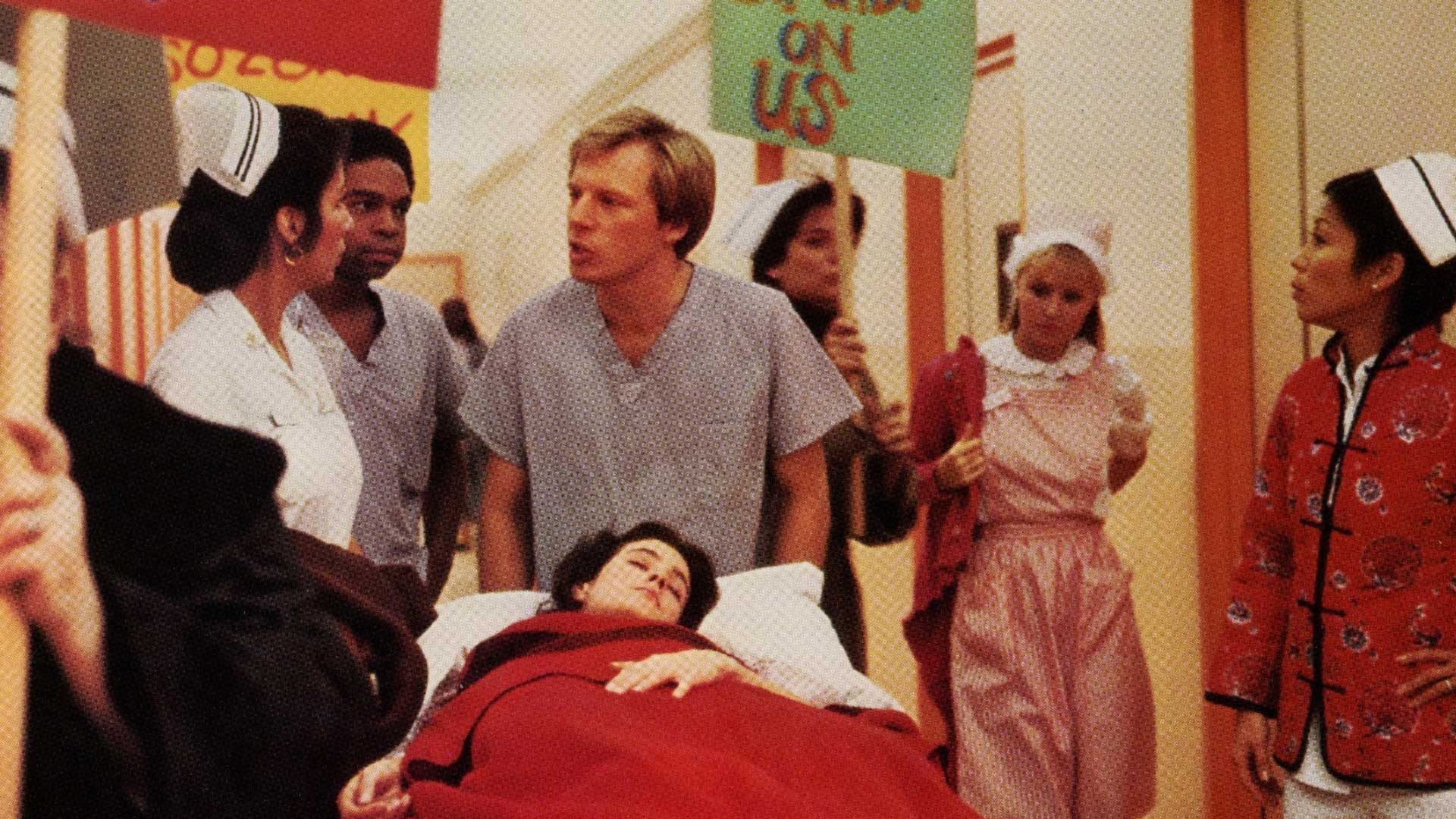
Years before Garry Marshall hit the jackpot with the mega-successful Pretty Woman, it’s easy to forget that his first feature-length directing gig was a… comedy that spoofed medical soap operas, specifically the long-running General Hospital. The story goes like this: A few young medical interns – among them are Dr. Stephanie Brody (Sean Young, seamlessly went from a cold femme fatale turn in Blade Runner to proving her comedic chops) and Dr. Simon August (Michael McKean) – are going through their first year at City Hospital.
And in the spirit of rapid-fire Airplane!-style parody, Marshall fills in with a barrage of broad and slapstick humor from the subtle Star Trek reference (the opening and closing of the sliding doors) to an elaborate subplot revolving around pre-Seinfeld’s Michael Richards’ accident-prone hitman who keeps failing to kill the bedridden mobster. Look out for one of the earlier roles from Marshall’s regular, Hector Elizondo, playing a mafia member disguised as a woman and a blink-and-you’ll-miss-it cameo appearance from Demi Moore.
8. CARRY ON DOCTOR (1967)
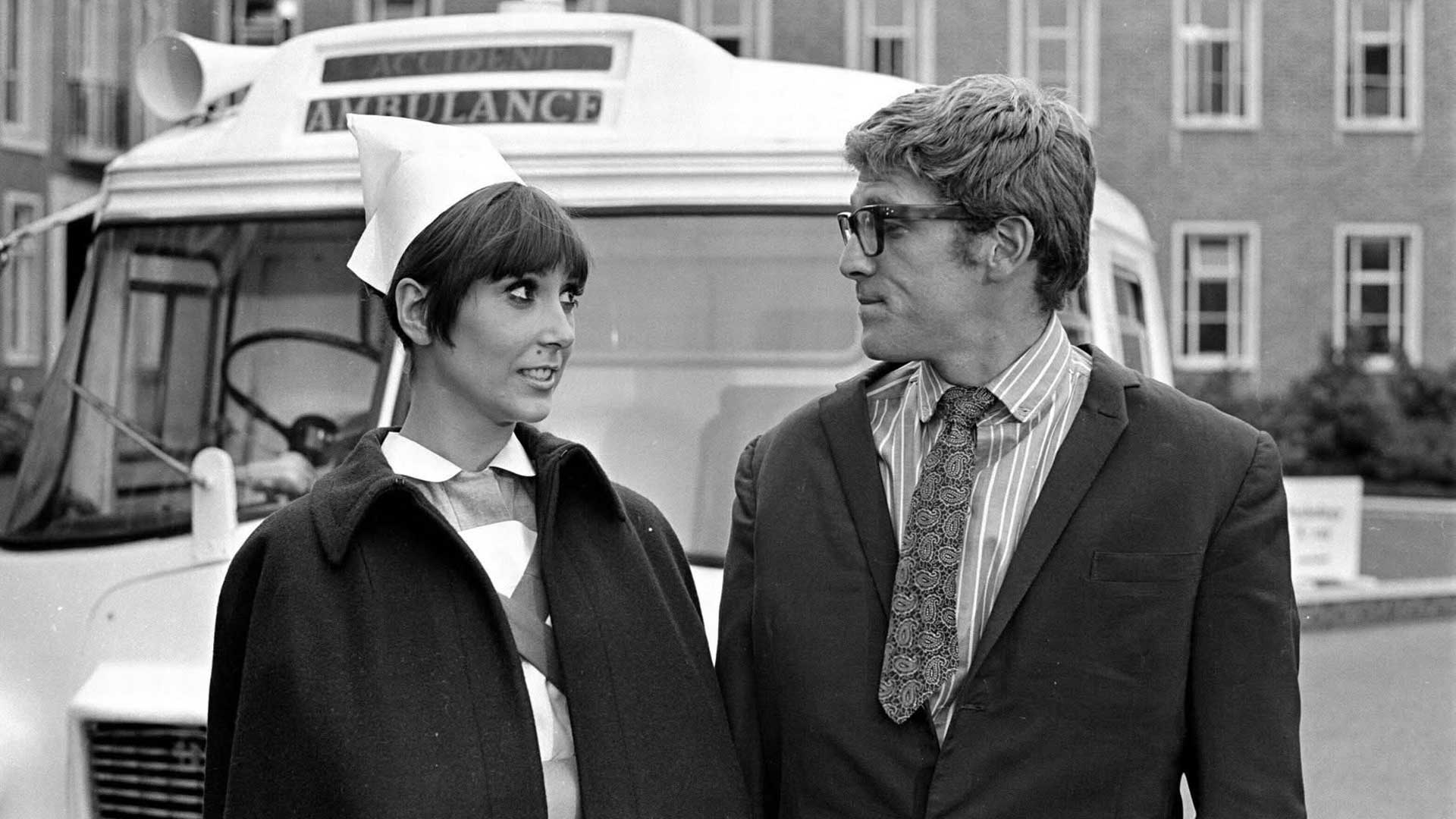
The irony of openly mocking and rejecting modern medicine in favor of “mind over matter” hits hard right from the start in Carry On Doctor. There goes the so-called faith healer, played by the scene-stealing Frankie Howard as Francis Bigger, whose lecture ends with him falling off the stage. This immediately sets the frenetic and jovial tone of the story as he is admitted to a hospital filled with colorful patients, doctors and nurses.
Like the earlier Carry On Nurse, the story is basically an episodic nature of all things humor, slapsticks and double entendre. The jokes come thick and fast, while every character here has their field day in this hugely popular British comedy. One of the highlights revolved around the extended comedic set piece, where Dr. Kilmore (Jim Dale) and Nurse Clarke (Anita Harris) mistaken the dejected Nurse Sandra (Barbara Windsor) is committing suicide after spotting her on a rooftop across the building, prompting them to try to save her, only for the rescue attempt to lead to a series of pratfalls.
9. THE HOSPITAL (1971)
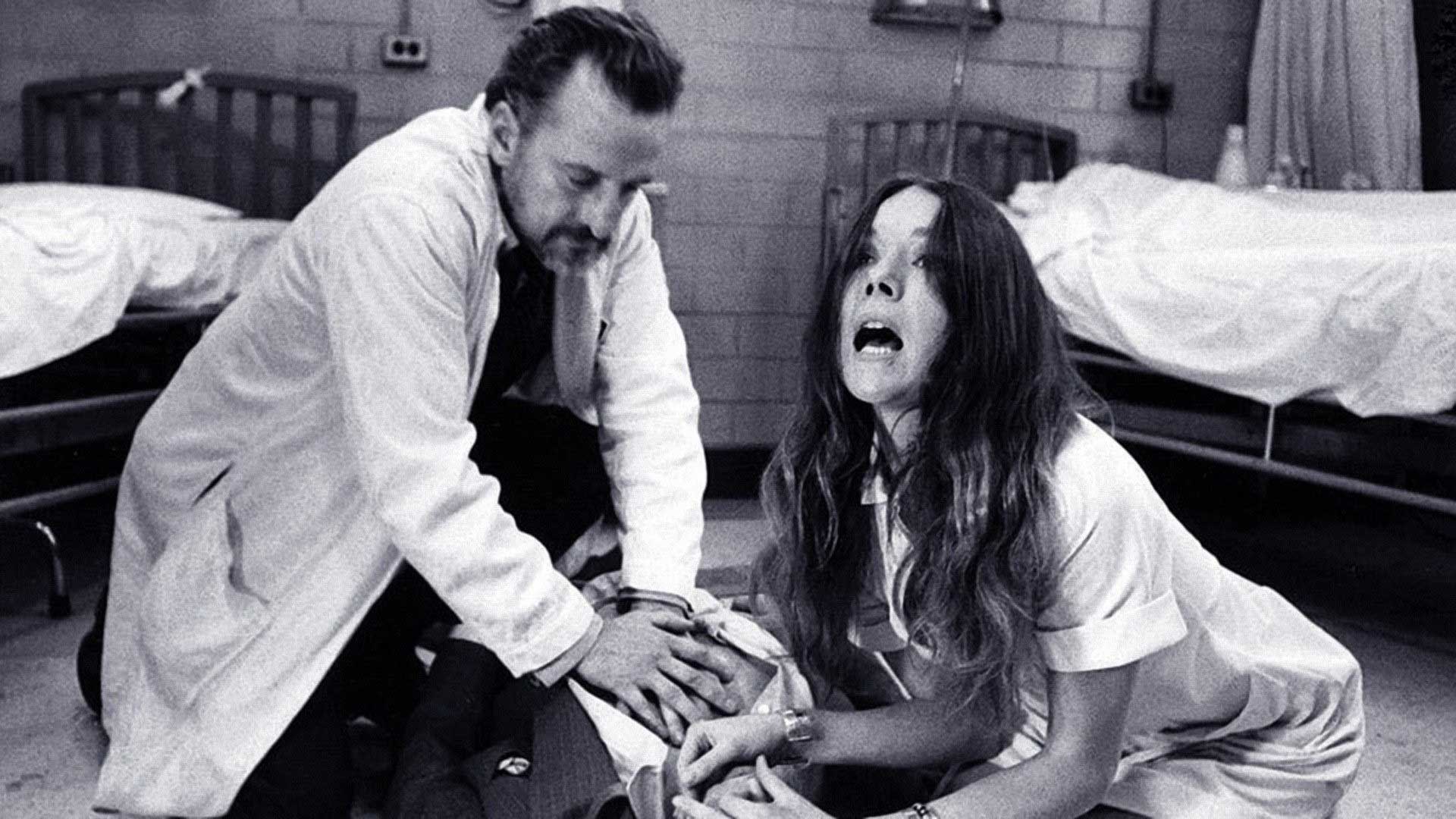
Five years before Paddy Chayefsky’s biting satire on the television network brought him to a screenwriting Oscar glory in Network, he already established his own voice in The Hospital. As the title suggests, the story revolves around the chaotic Manhattan teaching hospital, which suffers from a series of mysterious sudden and even accidental deaths, indicating there might be a mysterious killer lurking within the premises.
The so-called “killer” isn’t what you would expect, as Arthur Hiller’s subtle direction expertly navigates Chayefsky’s absurdist storytelling with a mix of pitch-black humor and pragmatic realism reflecting the cynical tone of the rigid healthcare system. At the heart of this dark comedy is George C. Scott, whose burnt-out chief of medicine character on the verge of a suicidal breakdown contrasts well with the pressure-cooker and at times, insanity-driven chaos surrounding the hospital’s self-inflicted mismanagement.
The Hospital earned Scott a much-deserved Oscar nomination in the Best Actor category but lost to Gene Hackman for The French Connection. Instead, the movie brought home a sole Oscar for Best Original Screenplay.
10. BAD MEDICINE (1985)
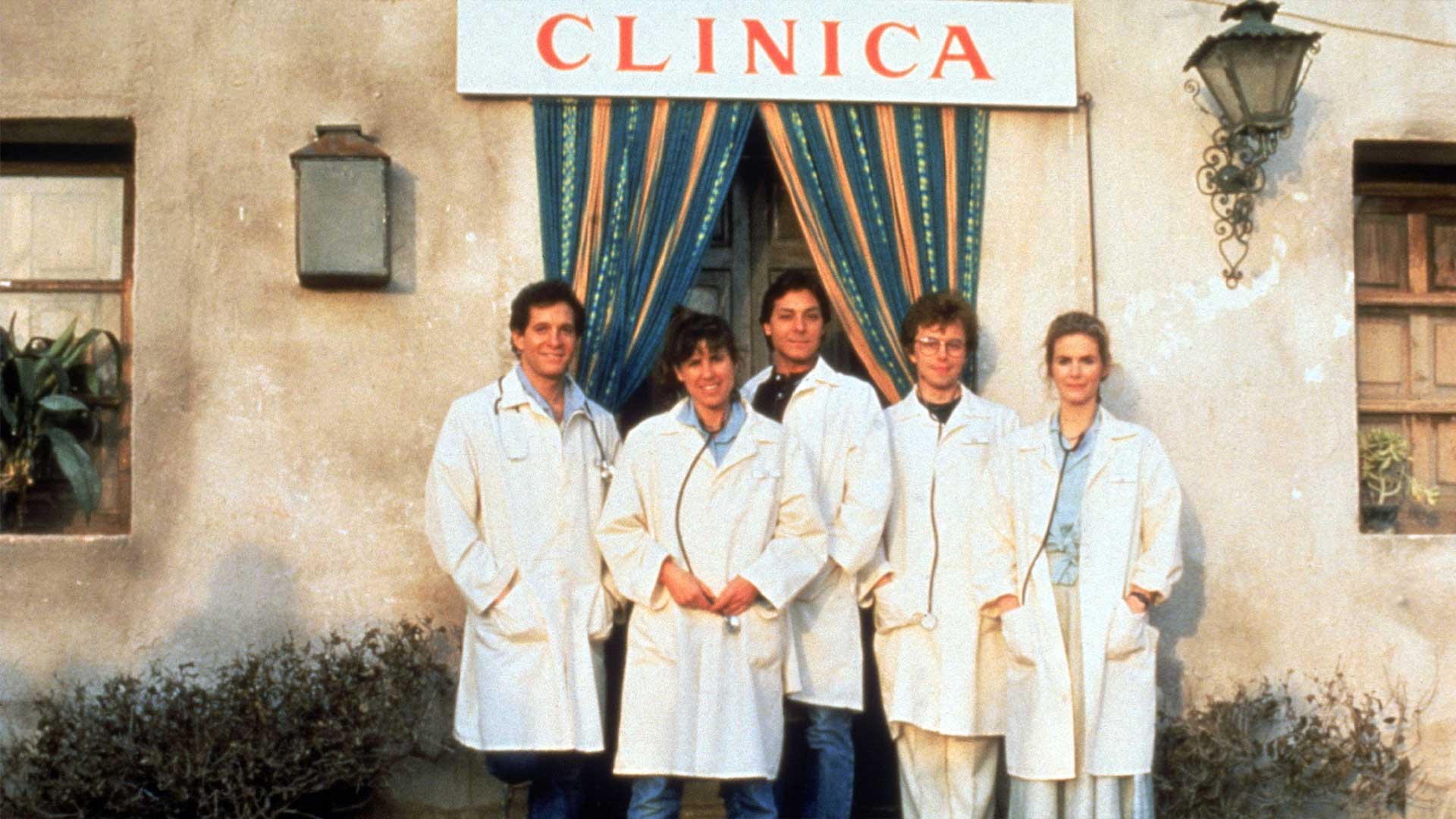
Bad Medicine came and gone with little fanfare when it made its theatrical debut in late 1985. The story follows Jeff Marx (Steve Guttenberg), a pre-med student who got rejected from every medical school in the U.S due to his substandard grades. This doesn’t sit well with his family, who all practice medicine, and despite Jeff’s lack of interest in medicine, his father (Bill Macy) manages to secure him a spot to study at an unlikely location: a rundown medical school in Central America under the dictatorship of the domineering Dr. Ramón Madera (a scene-stealing Alan Arkin at his deadpan best).
Harvey Miller, best known for co-writing the Oscar-nominated Private Benjamin, embraces the fish-out-of-water tropes by putting the already reluctant and confused Jeff through the comedic wringer. Not only we see him struggling from the occasional language barrier but also finding himself in a series of misunderstood scenarios dealing with an angry, gun-toting villager.
Bad Medicine benefits from Guttenberg’s straight-man and likable charm that makes his role funnier when he’s caught in the absurd and foreign situations, while putting up with the corrupt medical school administration. Miller also incorporates an extended macabre humor at one point, which features the medical students on a desperate measure to sneak a cadaver from a local morgue back to their school for their anatomy finals.
RELATED: 10 Hollywood Actors Who Studied Medicine & Have Medical Training