
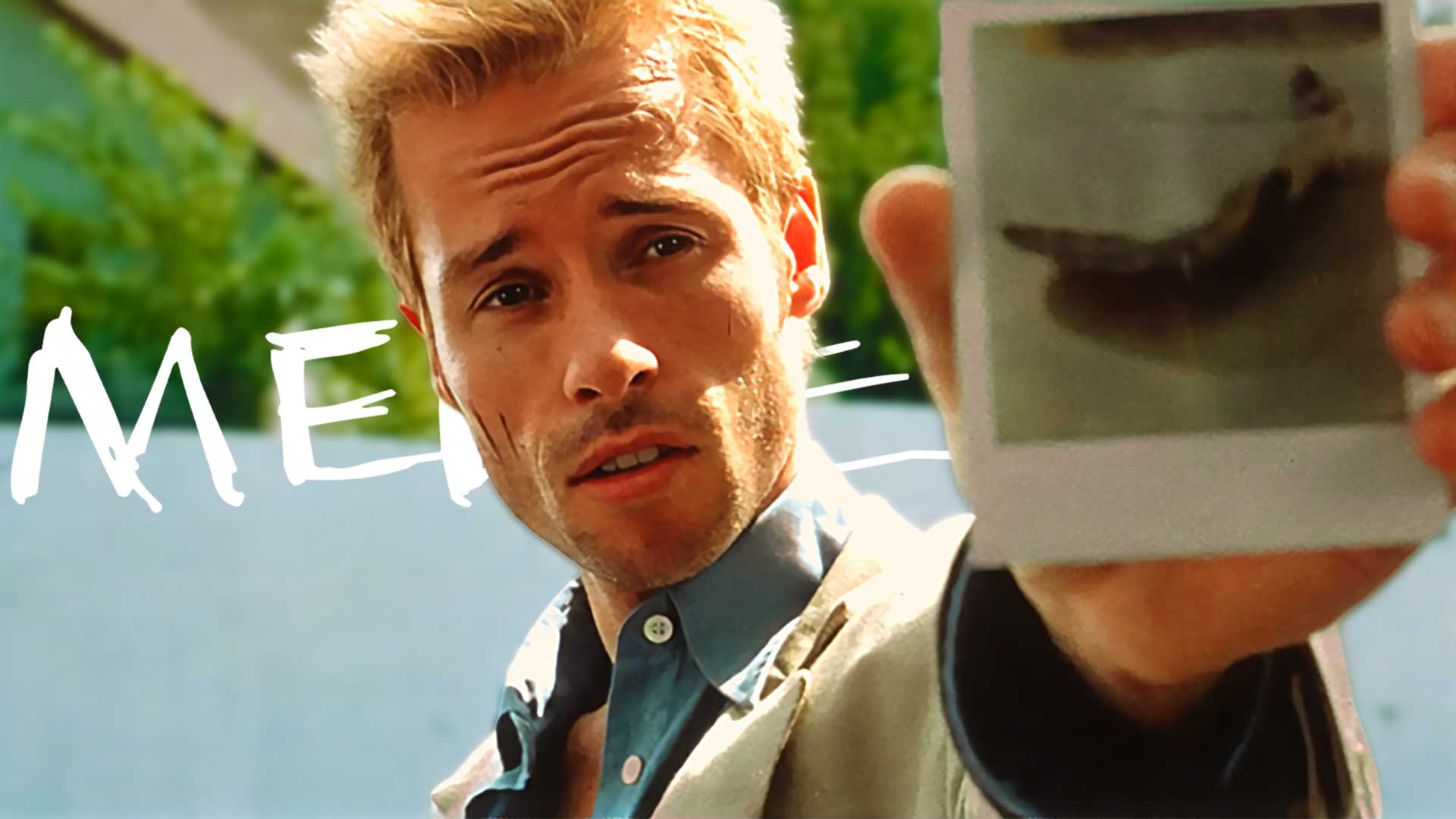


At one point in Memento, Leonard Shelby a.k.a Lenny (Guy Pearce) insists that memories can change the shape of a room, the color of a car, and can be distorted since they do not serve as a record but rather an interpretation. Then-emerging writer-director Christopher Nolan uses this mental ability to his advantage, turning his younger brother Jonathan Nolan’s short story Memento Mori into one of the most intriguing puzzle-box thrillers ever made in the contemporary era.
First premiered at the Venice Film Festival in late 2000, before the movie made its theatrical debut stateside over six months later in 2001, Nolan’s sophomore directorial feature refines his distinct filmmaking style that was first introduced in his 1998 debut, Following. Recurring themes covering time, perception, memory, and identity would shape his illustrious filmography. Not to mention his penchant for telling his stories in a non-linear narrative structure, often made his movies such a cerebral yet absorbing cinematic experience.
Memento garnered favorable reviews from the film festivals and continued a healthy run throughout its theatrical release, earning $40.1 million worldwide on a $9 million budget. The movie even received several accolades, including the Waldo Salt Screenwriting Award at the Sundance Film Festival and two Oscar nominations in the Best Original Screenplay and Best Film Editing categories, even though it lost to Gosford Park and Black Hawk Down, respectively.
In the years since Memento, Nolan’s movies have mostly leaned towards mainstream, bigger-budget fare, from The Dark Knight trilogy to Inception, Interstellar, and Oppenheimer. Even his upcoming movie, The Odyssey, continues his journey to making a blockbuster-sized cinematic event. Not that there’s anything wrong with Nolan’s current filmography, but having followed his work since his directorial debut, I miss the days when he used to make smaller-scale movies. Memento is one of them, and even after twenty-five years, Nolan’s second movie still intrigues me every time I revisit his masterpiece.
The movie gets off to a fascinating start, where everything unfolds in reverse: a Polaroid photo that gradually fades into blank, the same photo returning to the slot from the front of a Polaroid camera after the flashes, a pool of blood flows backwards, a bullet casing is injected back into the gun, and a man who gets shot returns to life. The story follows Lenny, who used to work as an insurance investigator, suffering from a condition called anterograde amnesia, meaning he can’t store new memories even after it happens just a while ago.
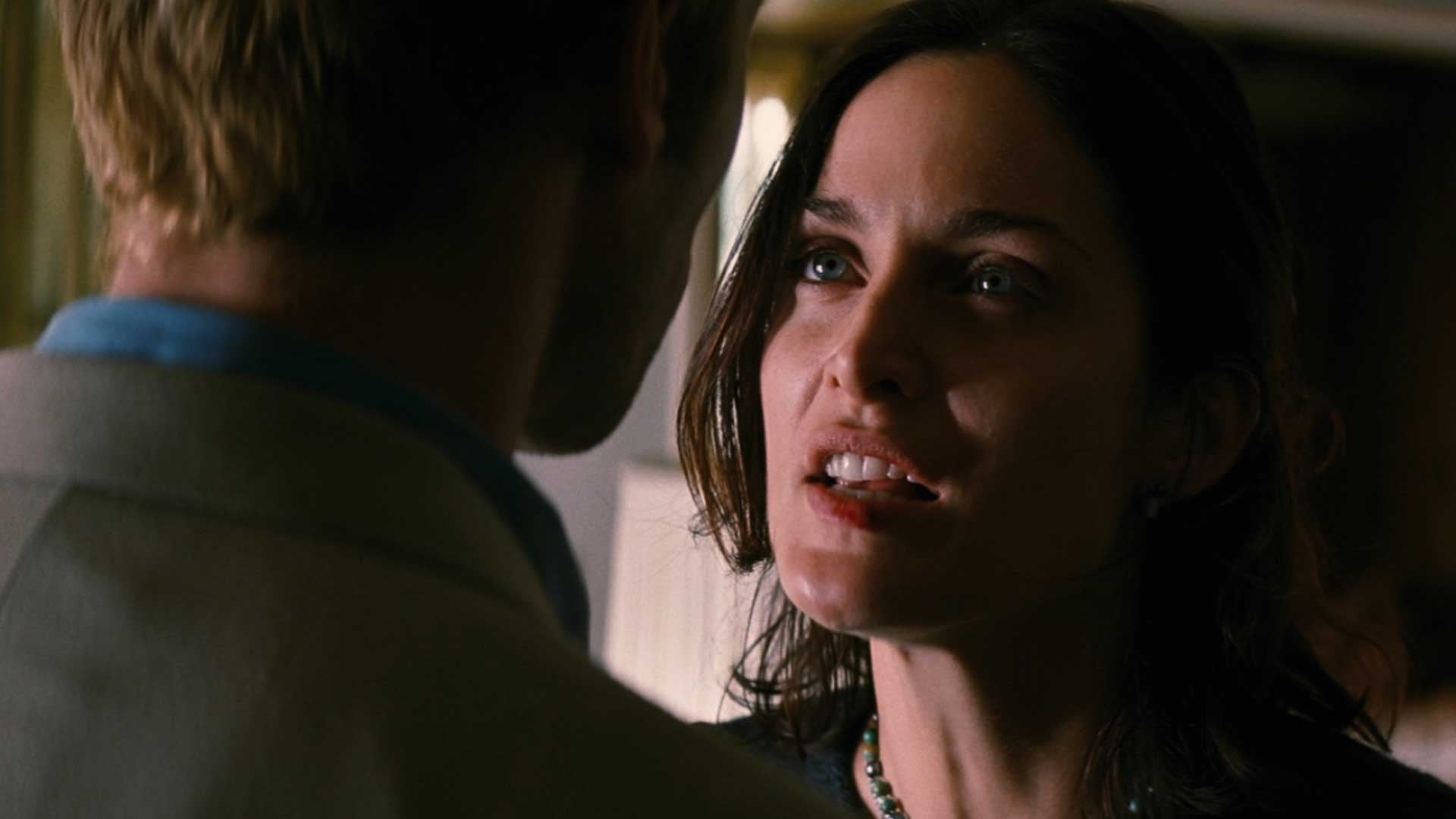
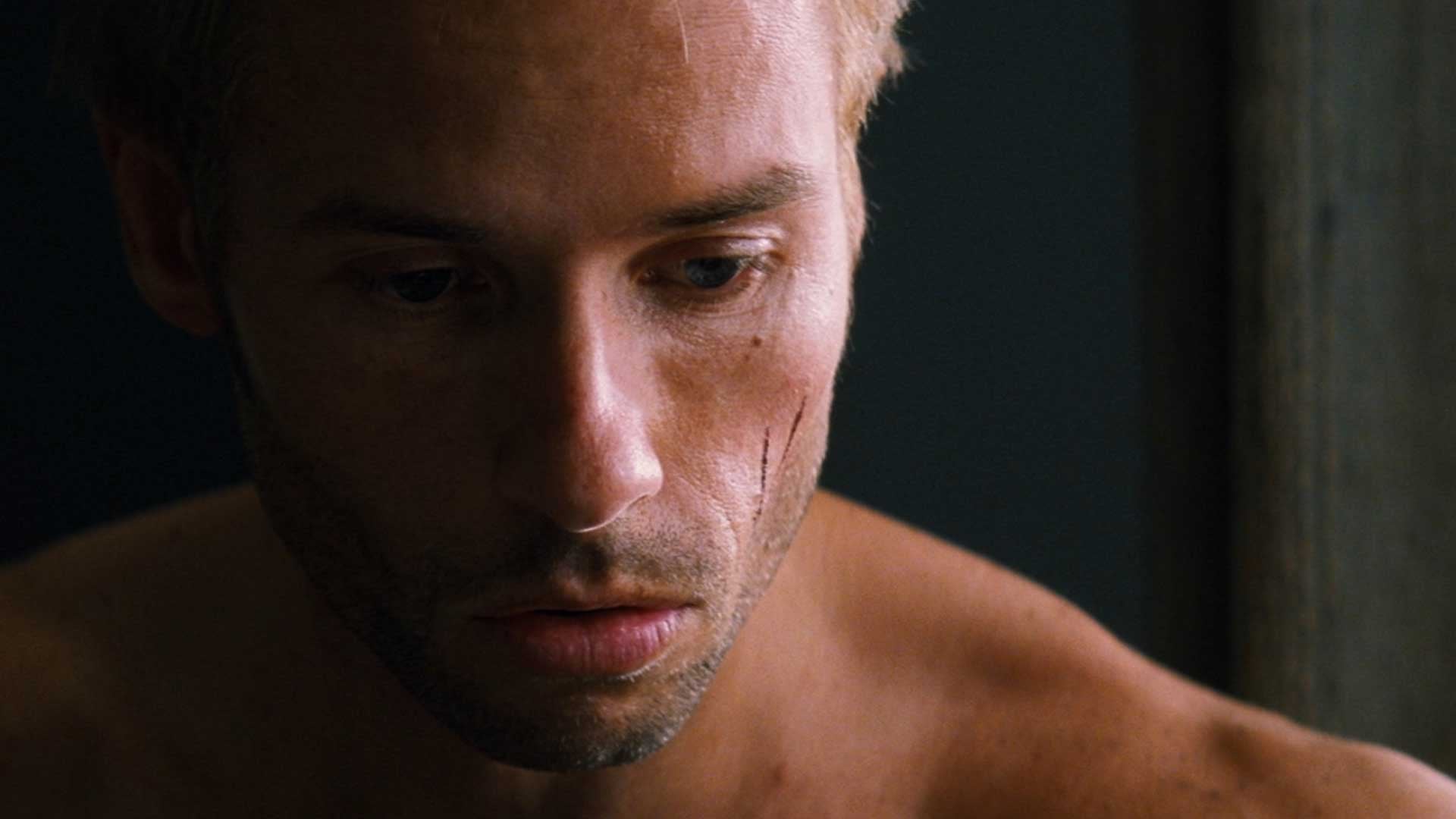
So, to help preserve his own memories, he must resort to scribbling important details and names on every Polaroid photo, even going as far as having them tattooed all over his body. He stays in a lodging called the Discount Inn and regularly keeps in touch with Teddy (Joe Pantoliano), who somehow helps him to track down a man simply known as John G. Apparently, he is responsible for murdering Lenny’s wife (Jorja Fox) and attacks him, which leads to his current brain condition.
Memento is primarily told in two timelines by incorporating scenes shot in color (the reverse chronological order) and black and white (the chronological order). But Nolan isn’t interested in making the narrative easy to follow, as he deliberately reflects his story with Lenny’s condition, perplexing and fragmented. We, as the viewers, are as confused and frustrated as Lenny, whose desperate quest to find his killer is equivalent to connecting the dots while trying to make sense of everything.
And because of his unique condition, facts and memories can be unreliable and manipulative. His recurring voice-overs and scenes where he talks to someone over a phone call look as if these moments serve as a straightforward exposition meant to fill in the gap, only for Nolan to twist his narrative structure. Besides, nothing is exactly clear-cut in the fractured world of Lenny. We only see from his perspective, and whoever he comes across, regardless of Teddy or Natalie (Carrie-Anne Moss), a stranger who appears to be helpful and sympathetic towards Lenny, the truth remains subjective to the point of ambiguity.
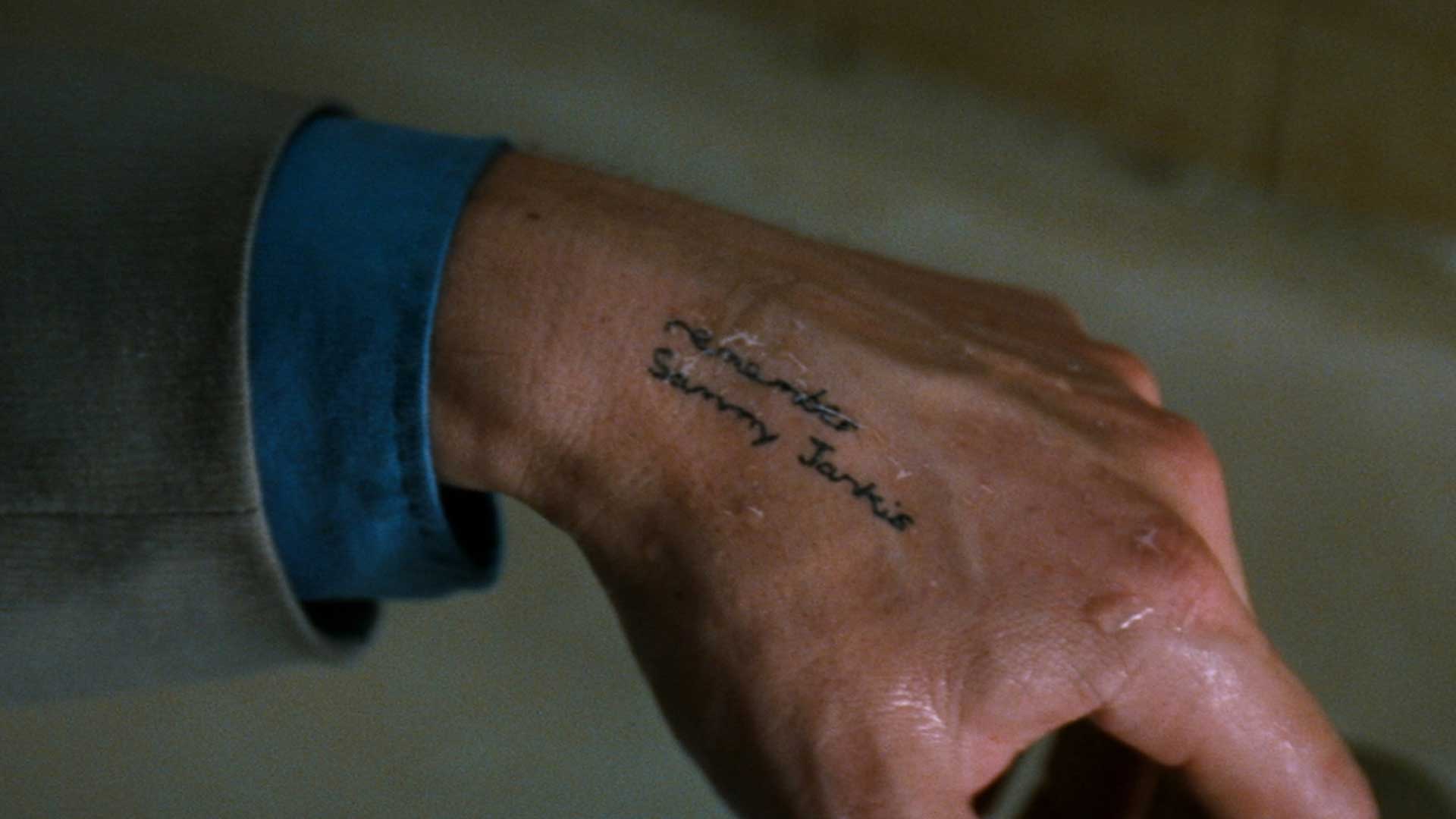
The first time I watched Memento, I figured it was mainly about solving the mystery, but subsequent revisits made me understand that the subtle point of this movie lies in what it’s like living inside Lenny’s mind, and how his reality depicted isn’t what we normally perceive, since time and memory from his point of view run in a jumbled sense of incoherence and suspicion.
Memento also marks the first time Nolan worked with established actors, and he did a great job bringing out the best in Guy Pearce, Joe Pantoliano, and Carrie-Anne Moss, all of whom delivered among the best acting of their respective careers. Pearce’s trauma-driven protagonist would become Nolan’s recurring archetypes in his future movies, namely Hugh Jackman’s Robert Angier in The Prestige and Leonardo DiCaprio’s Dom Cobb in Inception.
Memento is still available to stream for free on Tubi.
RELATED: Christopher Nolan Made The Biggest Christian Movie Of All Time And Nobody Noticed