
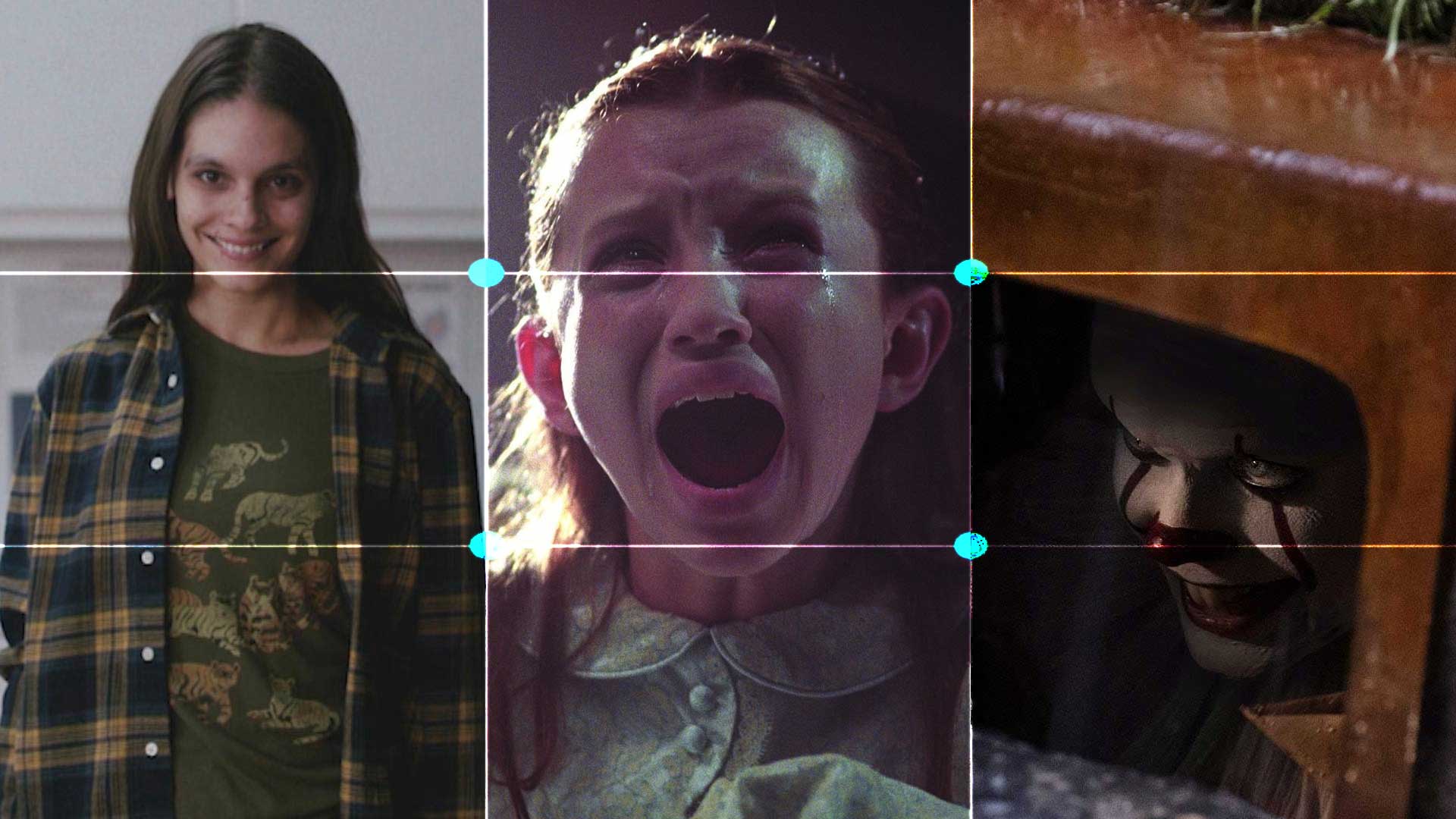


A horror movie can go either way, starting with a deliberate slow burn or an attention-grabbing opening scene, depending on the filmmakers. For the latter, such opening scenes can immediately set the tone to capture the audience’s attention, say, through a mix of violence, gore and suspense. With plenty of them out there, we have compiled and shortlisted 12 of the best scary opening scenes in horror movies that deserve a spot below.
1. GHOST SHIP (2002)
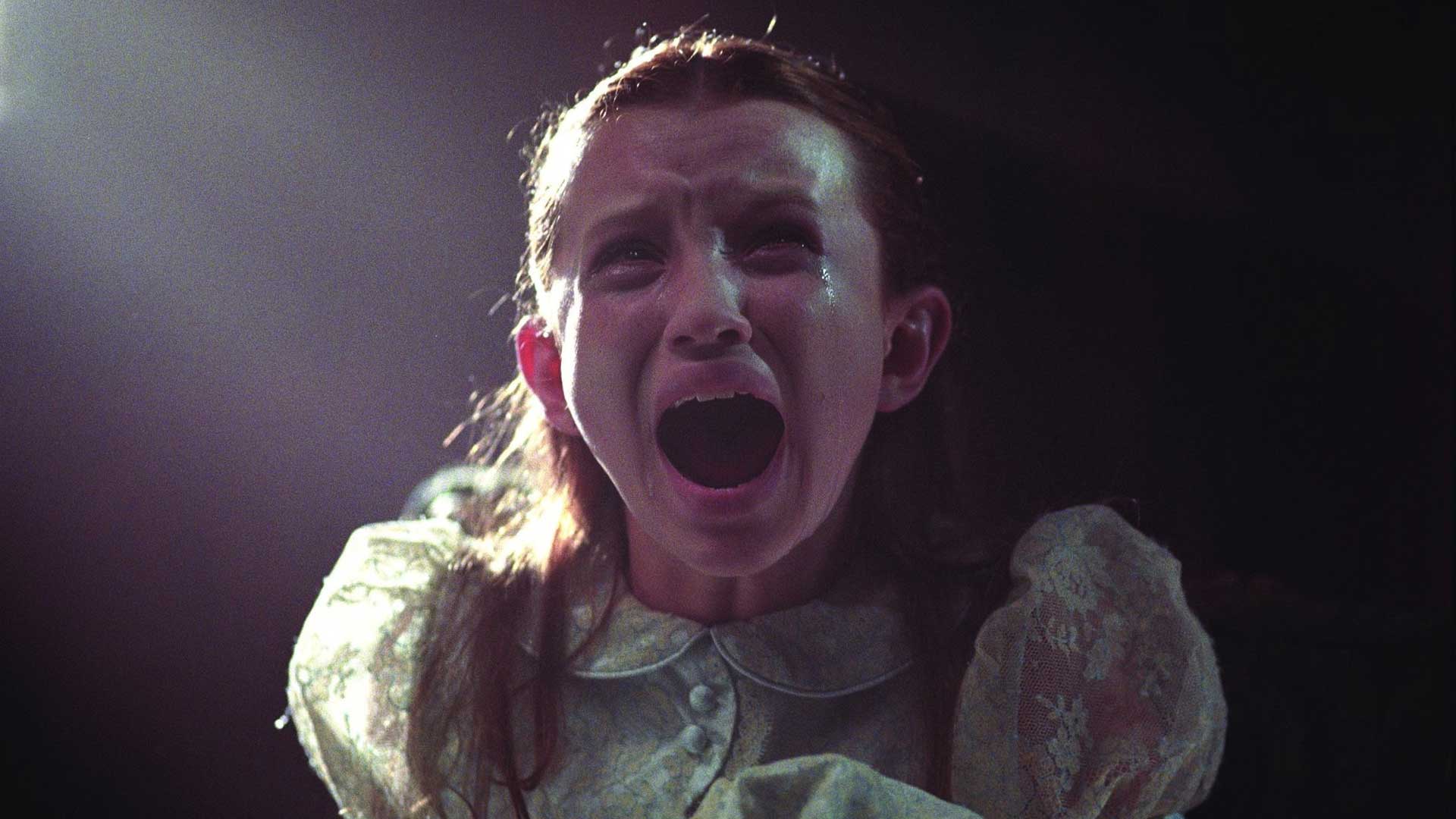
Those who have seen Ghost Ship would agree that the opening scene is the best part of this supernatural horror. If only the rest of the movie is just as good. Ghost Ship deliberately begins with an elaborate scene of a party aboard the MS Antonia Graza ocean liner as Francesca (Francesca Rettondini, while Monica Mancini does the singing) performs a sultry Italian song “Senza fine” with the guests dancing on the deck.
The scene also introduces a bored young girl (Emily Browning), who is later asked by the captain for a dance. Then, something unexpectedly happens: The metal cable is tightened after a lever is pulled, causing it to snap across the deck. Within a split second, the cable cuts through almost everyone, leaving bodies and limbs torn in half. Steve Beck, who previously directed Thirteen Ghosts, doesn’t shy away from the visceral gore and violence, as the opening scene ends with an eerie sight of body count and blood smearing all over the deck.
2. A NIGHTMARE ON ELM STREET (1984)
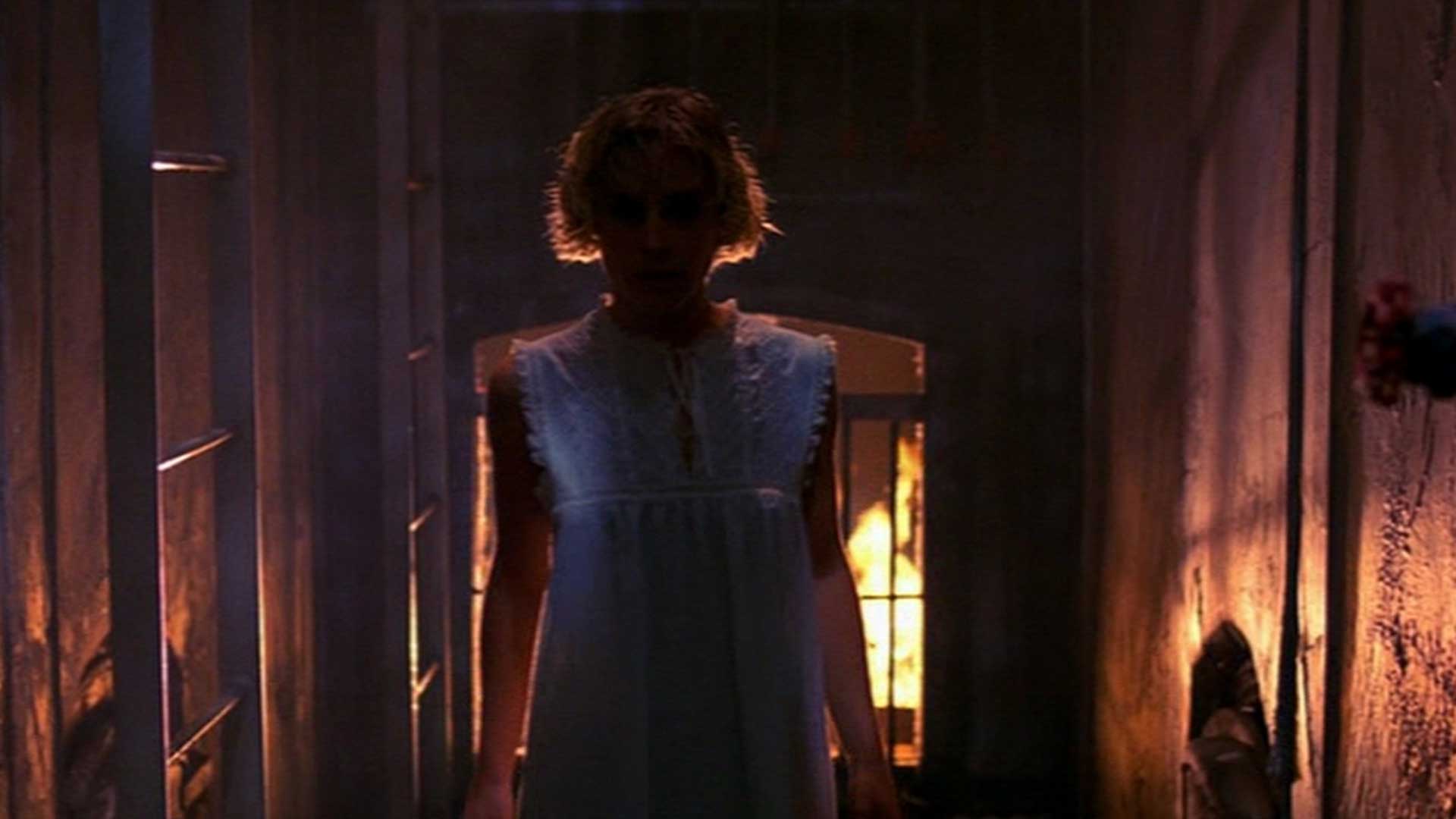
The 1980s were a significant decade for horror movies, with Wes Craven’s A Nightmare on Elm Street being one of the prime examples. An engrossing mix of slasher horror and dream logic, the movie famously introduced Freddy Krueger (Robert Englund), an undead disfigured child-killer dressed in a striped, red-and-green sweater and a brown fedora. His weapon of choice is a glove with protruding razor-sharp blades, the first thing that you see during the opening scene.
Although A Nightmare on Elm Street is known for its creative gore, Craven chooses not to go for the jugular, preferring to keep his opening scene more suspenseful. We see Tina Gray (Amanda Wyss), a young girl who finds herself wandering around the boiler room while a sinister figure is stalking her. Here, Craven utilizes the use of ominous music and sound design to evoke an escalating sense of dread before the scene culminates in Tina waking up in her own bed and surprised to find there are a few slashes in her nightgown, blurring the line between dream and reality.
3. JAWS (1975)
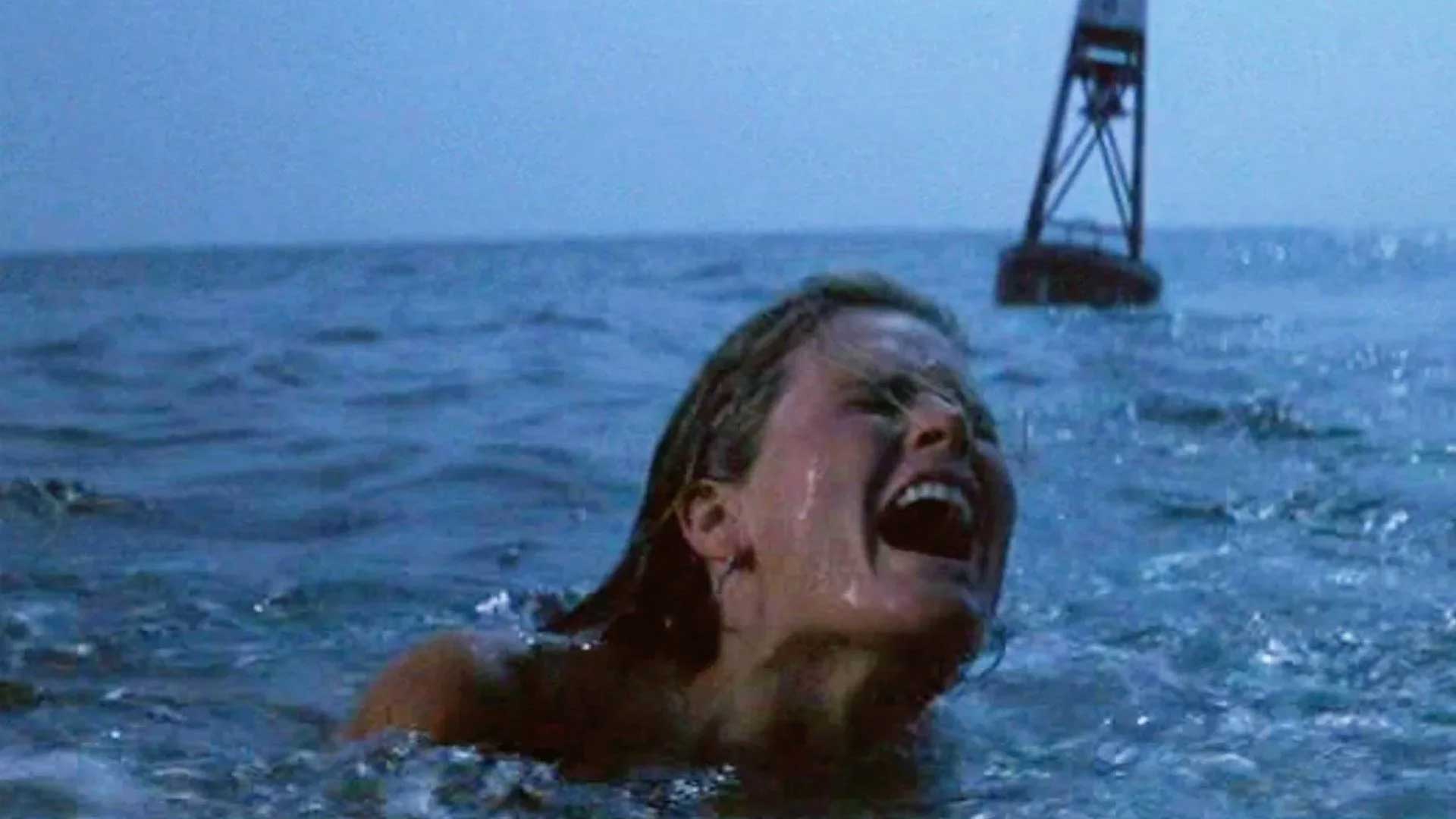
So, how do you make a terrifying scene where a shark attacks its victim without showing the apex predator itself? Then-young director Steven Spielberg insists on keeping the shark off camera, where it’s not entirely visible until the final act. Instead, he embraces the power of the less-is-more approach in maximizing the suspense, beginning with a seemingly ordinary moment of a young girl (Susan Backlinie) happily going for skinny-dipping late at night. With no beach crowd, except for one guy who wanted to join her but ended up too drunk to even undress, leaving the girl swimming in the sea all alone.
This is where Spielberg begins to ratchet up the tension slowly but surely by using the camera as the shark’s point-of-view from underwater looking up. The otherwise calm and quiet sea suddenly turn into a terror when the girl is being yanked and dragged around the water. Not even her scream can do anything to keep her alive, and what follows is the girl’s inevitable death.
Interestingly, John Williams’ famous sinister da-dum score isn’t played in the opening scene as Spielberg prefers to keep it as visceral as possible using a combination of near-silence and natural sounds, notably the buoy bell clanging on the surface of the ocean.
4. IT CHAPTER ONE (2017)
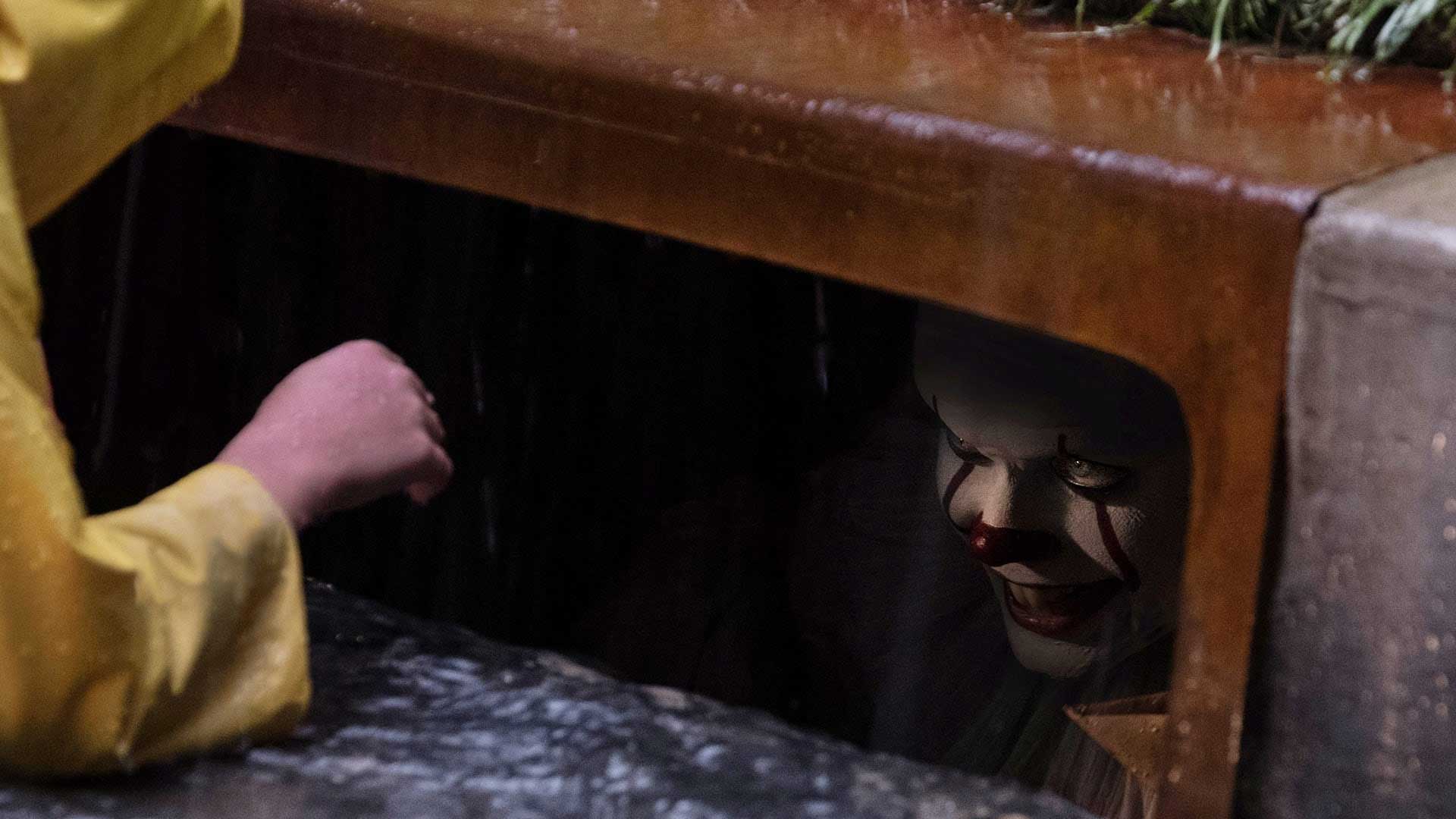
Director Andy Muschietti took on the challenge to direct the ambitious two-part It, which was already made famous twenty-seven years earlier in the iconic 1990 miniseries. The movie opens with 12-year-old Bill Denbrough (Jaeden Liberher) making a paper sailboat for his eager, younger brother Georgie (Jackson Robert Scott), who can’t wait to play with it.
The rainy day on the outside is a perfect opportunity for Georgie to sail the paper boat along the gutter until a careless mistake causes it to fall into a storm drain. He desperately wanted to retrieve it, only to find himself encountering a clown in the drain, who calls himself Pennywise the Dancing Clown (a sinister Bill Skarsgård), acting all nice and friendly. What follows is a macabre moment between Pennywise and the ill-fated Georgie that effectively combines in-your-face gore and ominous dread.
5. THE STEPFATHER (1987)
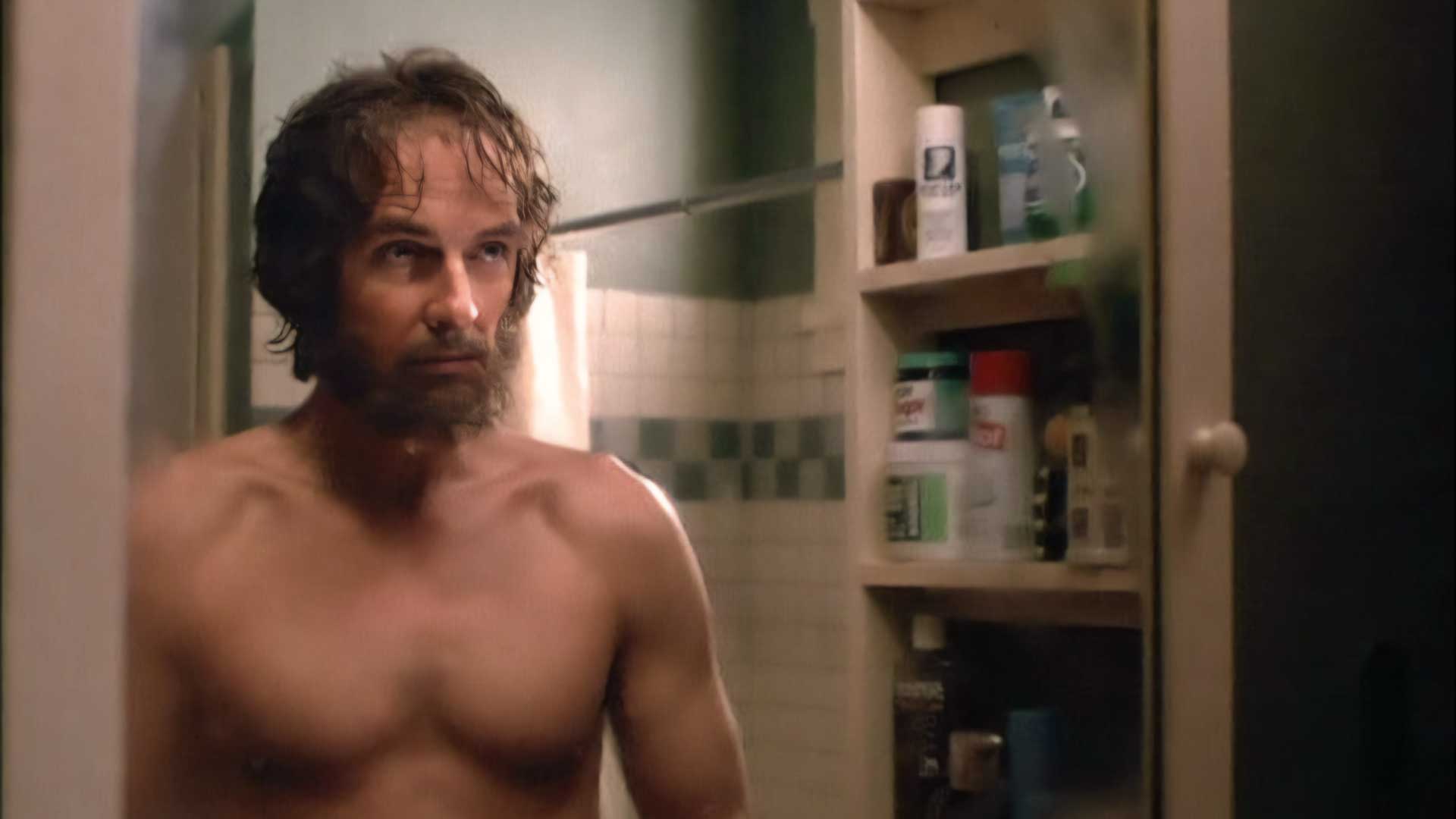
Forget about the 2009 remake. Joseph Ruben’s 1987 original remains the epitome of how to deliver a chilling psychological horror. Backed by Terry O’Quinn in his most recognizable movie role, The Stepfather begins like a typical, ordinary morning as the crane shot establishes the quiet suburban neighborhood with the sight of a paperboy on a bike throwing a newspaper. The scene then moves into the house, and inside, we are introduced to an unkempt-looking, bearded man in the bathroom. O’Quinn’s character is seen scrubbing the blood off in the sink before taking his time from shaving to putting on a suit.
What makes the opening scene scarier is Ruben’s insistence not to show what happens to the family, apart from giving us glimpses of them already dead and lying on the floor with blood all over the place. The camera simply follows him leaving the house like it’s nothing happened at all, to the point of even whistling “Camptown Races” as he walks out the door with a suitcase in his hand.
6. IT FOLLOWS (2014)
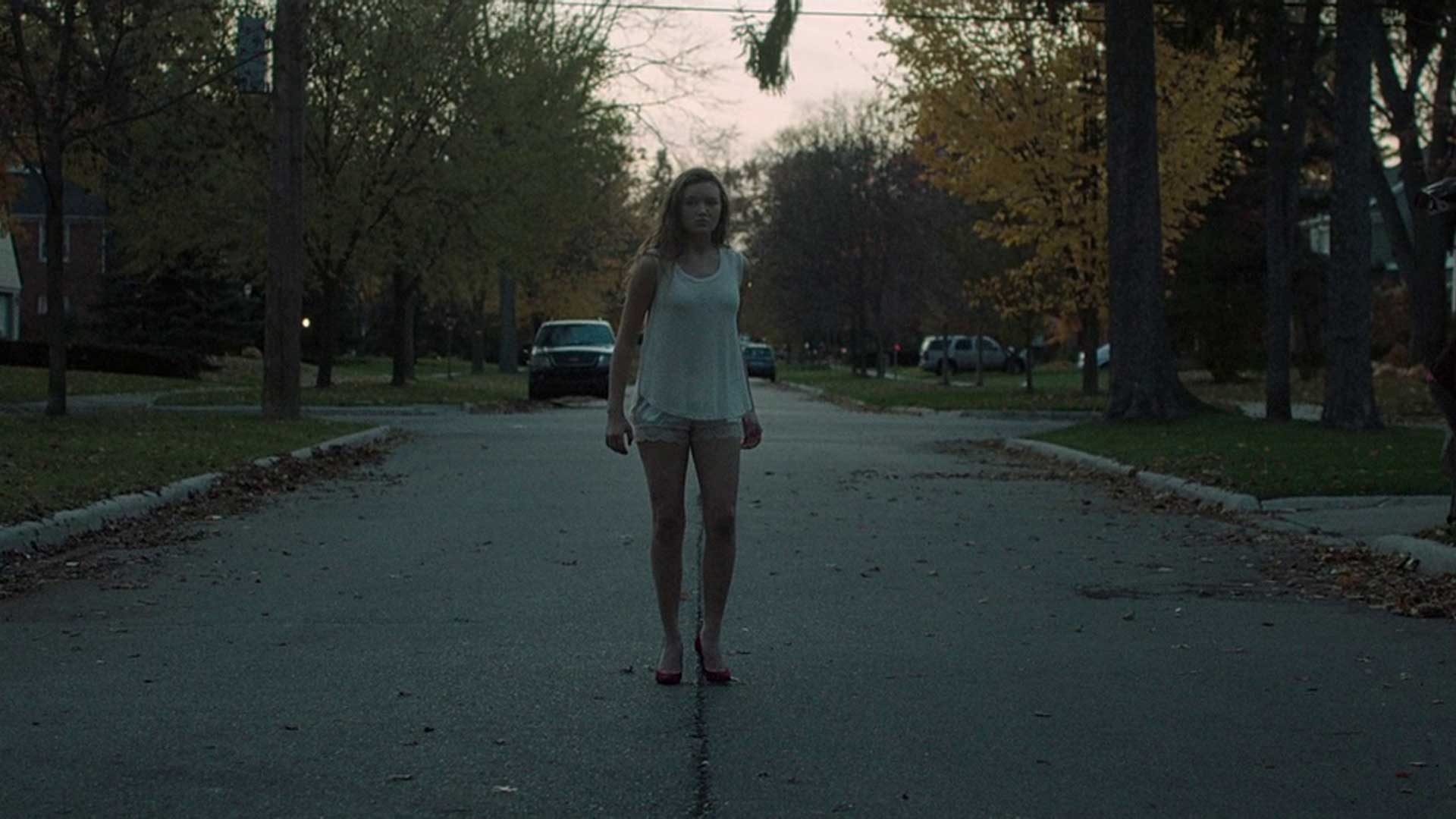
The fear of the unknown can be scary, even if it depicts in the abstract form of an unseen force, just with the case here in David Robert Mitchell’s It Follows. And right from the onset, he doesn’t waste time getting to the point: The camera pans around the quiet neighborhood before we see a young girl (Bailey Spry) running out of her house as if someone or something is chasing her.
Either way, we are not sure what’s going on other than watching her acting all panic and anxious. The scene remains ominous as the girl subsequently gets in the car and quickly leaves the neighborhood. After she ends up on a beach, something happens as the following day cuts to a grotesque scene of her dead body in an unnatural position.
7. SMILE (2022)
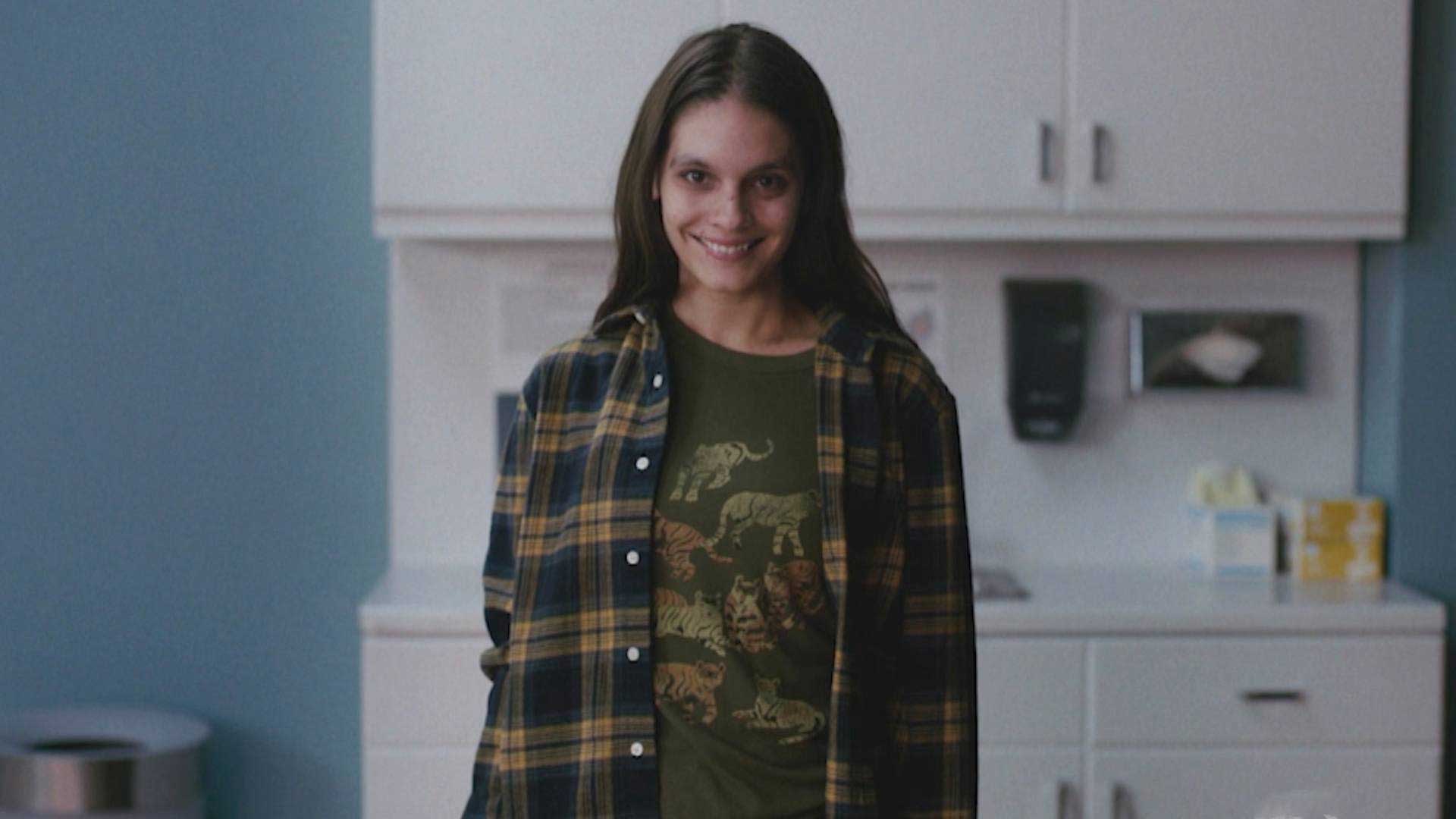
Here is another prime example of a horror movie that focuses on the fear of the unknown, and kudos to Parker Finn for establishing the unsettling tone right from the get-go in Smile. Following Rose (Sosie Bacon), a psychiatrist waking up from the nightmare of her childhood past, she then gets a call to see a new patient named Laura Weaver (Caitlin Stasey) in the room. Laura looks extremely distressed as she explains to Rose about her being stalked by people, but not a person.
Paranoia soon reaches a boiling point as Laura’s mental condition increasingly worsen, prompting Rose to call for help. But as soon as the latter turns around, she notices the previously panicked Laura becomes a different person, all standing still with a weird, fixated smile on her face. And what happens next reminds me of the final scene in Face/Off, where John Travolta’s Castor Troy cuts off his face from the side up. Except this one ends with Laura slitting her own throat, which is undoubtedly a grim and pessimistic moment to grab one’s attention.
8. HALLOWEEN (1978)
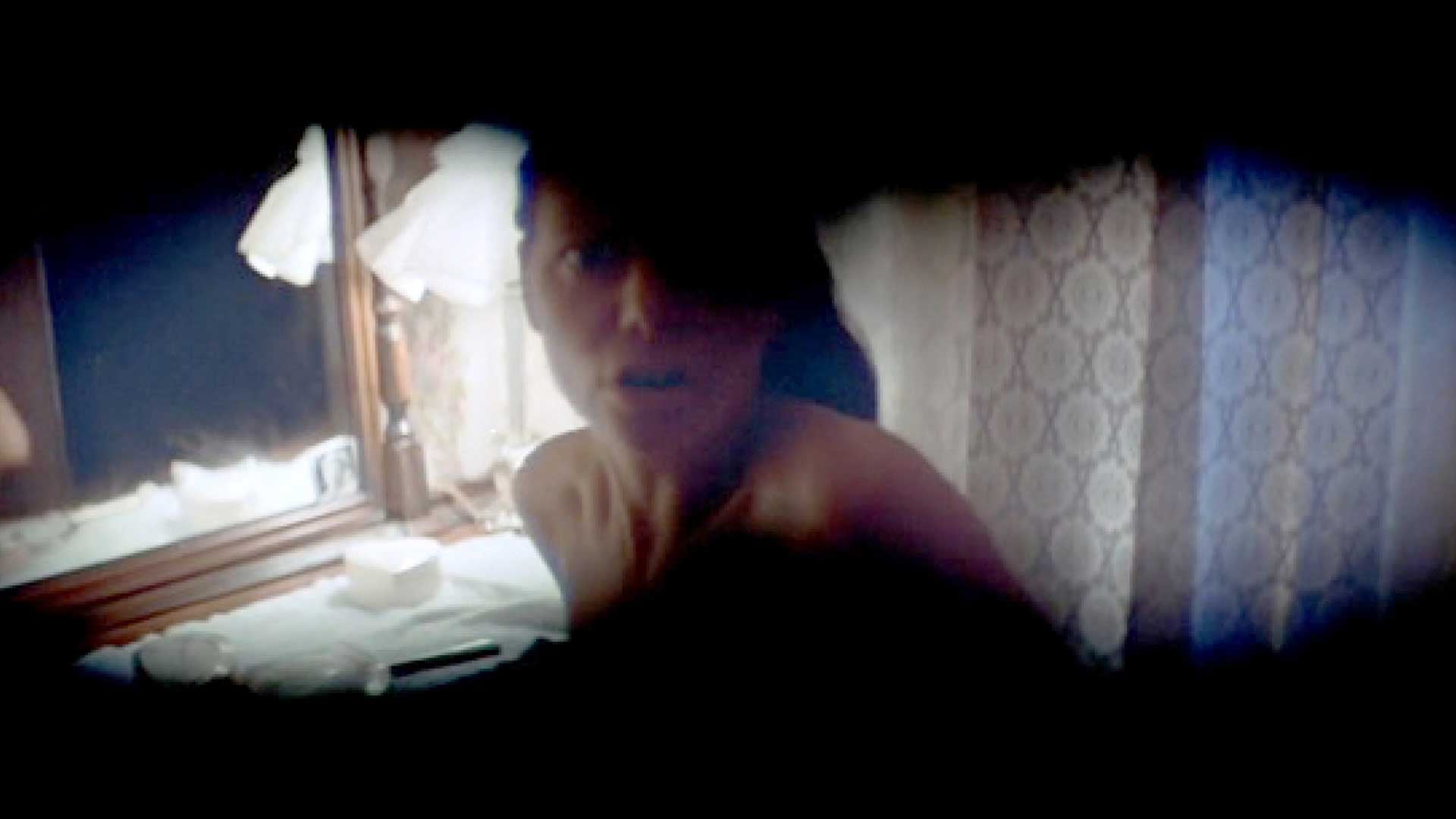
Although the slasher genre already made its mark with earlier movies like Psycho and Black Christmas, it wasn’t until a certain director named John Carpenter directed Halloween in 1978. The movie famously begins with the opening credits showing a Jack O’ Lantern against a black background as the sinister, minimalist score plays. Soon, the movie takes us back to Haddonfield, Illinois on Halloween night in 1963, as Carpenter stages the scene entirely from the first-person perspective of a person walking into the house through the kitchen door before grabbing a large knife.
The person proceeds upstairs and picks up a mask on his way. He puts it on, instantly turning his full POV limited to just the eye holes of the mask and enters the bedroom. The girl inside is caught by surprise before she is stabbed repeatedly. What makes the opening scene in Halloween so iconic isn’t just Carpenter’s ingenious POV approach but also the cold-open reveal that the killer turns out to be a six-year-old boy named Michael Myers, who just murdered his older sister without remorse.
9. TWILIGHT ZONE: THE MOVIE (1983)
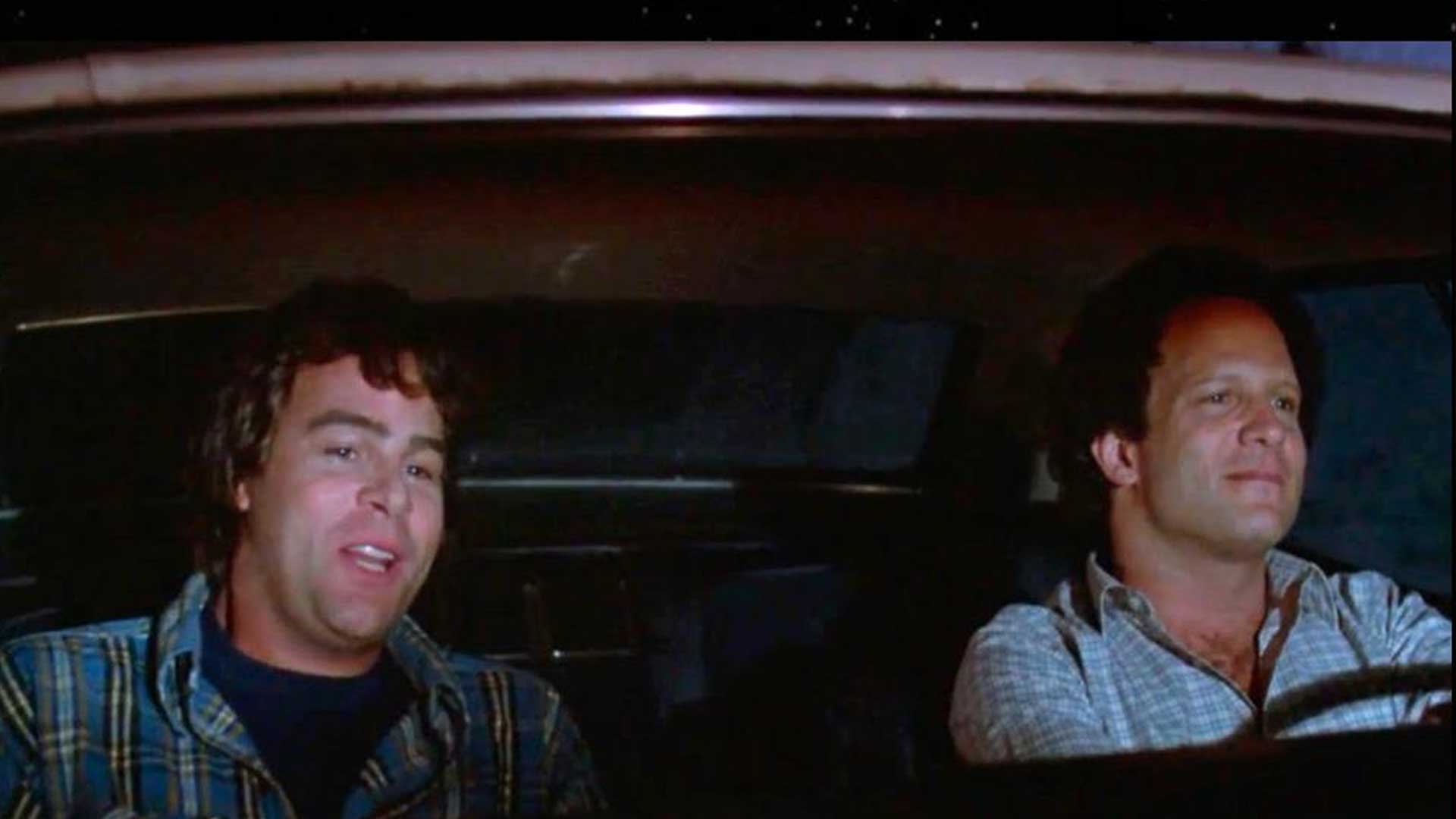
The anthology-style Twilight Zone: The Movie is best described as a mixed result, but one of the segments that remains scary is the opening prologue. Directed by John Landis, he effectively combines humor and horror, which takes place on a deserted road late at night. There are two persons in the car: A driver and a passenger, played by Albert Brooks and Dan Aykroyd, respectively.
The scene begins with casual banter and even enjoying singing along to Creedence Clearwater Revival’s “Midnight Special”, only to be subsequently interrupted by a broken cassette tape on the radio. Despite spoiling their mood, they manage to keep themselves entertained by playing a game of naming the TV theme songs as each of them takes a turn to hum a tune, and the other will take a guess.
Landis is smart enough not to telegraph what’s next as he lets the scene unfold naturally before Dan Aykroyd, the passenger, pops a question on whether he wants “to see something really scary”. That moment when he turns away after Albert Brooks, the driver, pulls over by the roadside before turning back to face him, revealing an entirely different person altogether – a perfectly-timed jump which later transitioned to the familiar theme song and opening title sequence.
10. SUSPIRIA (1977)
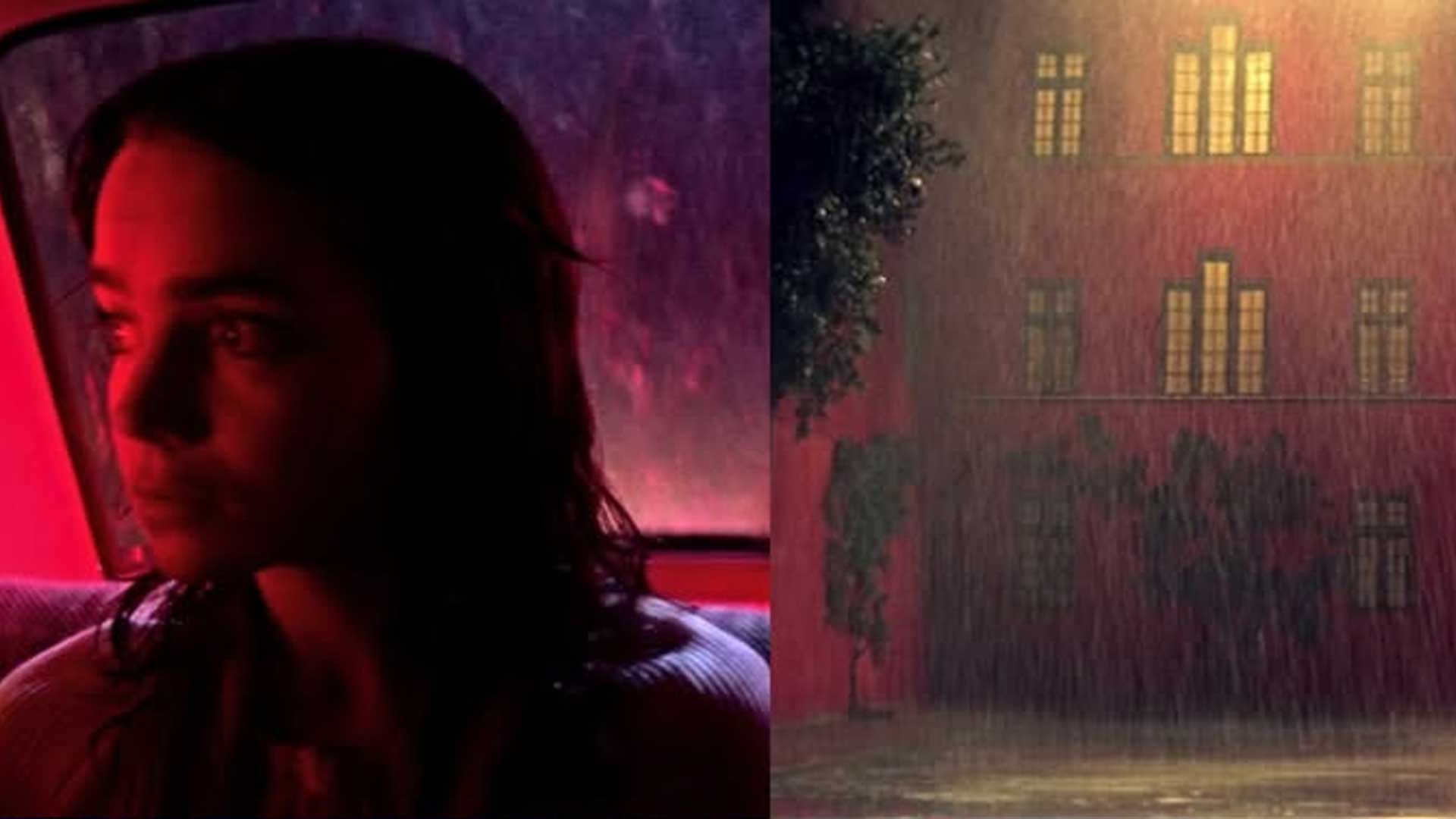
Dario Argento’s decades-long filmography may have been erratic. But when he’s in his peak form, you will get a genre masterpiece as haunting as Suspiria, one of the best Italian horror movies ever made. He establishes the opening sequence in a dream-like state, almost as if the character – Suzy Bannion (Jessica Harper) – arriving at a German airport, unknowingly finds herself in a foreboding realm. It was late at night, coupled with the torrential rain outside. She manages to hail a cab, where her destination is the prestigious dance academy.
En route, Argento and cinematographer Luciano Tovoli foreshadows the sense of dread and danger through the prominent use of intense red glow in the background. It was deliberately executed to make it look like you are watching a surrealist horror in motion. Then, there’s Goblin’s eclectic score echoing in the background, and the subsequent scene ends with one of the academy’s students (Eva Axén) finds herself brutally murdered by the repeated strike of a knife before being hurled through the glass, culminating in a morbid sight of her hanged body. If that’s not enough, her friend has also met her doom after getting impaled by the large, broken glass.
11. FINAL DESTINATION 2 (2003)
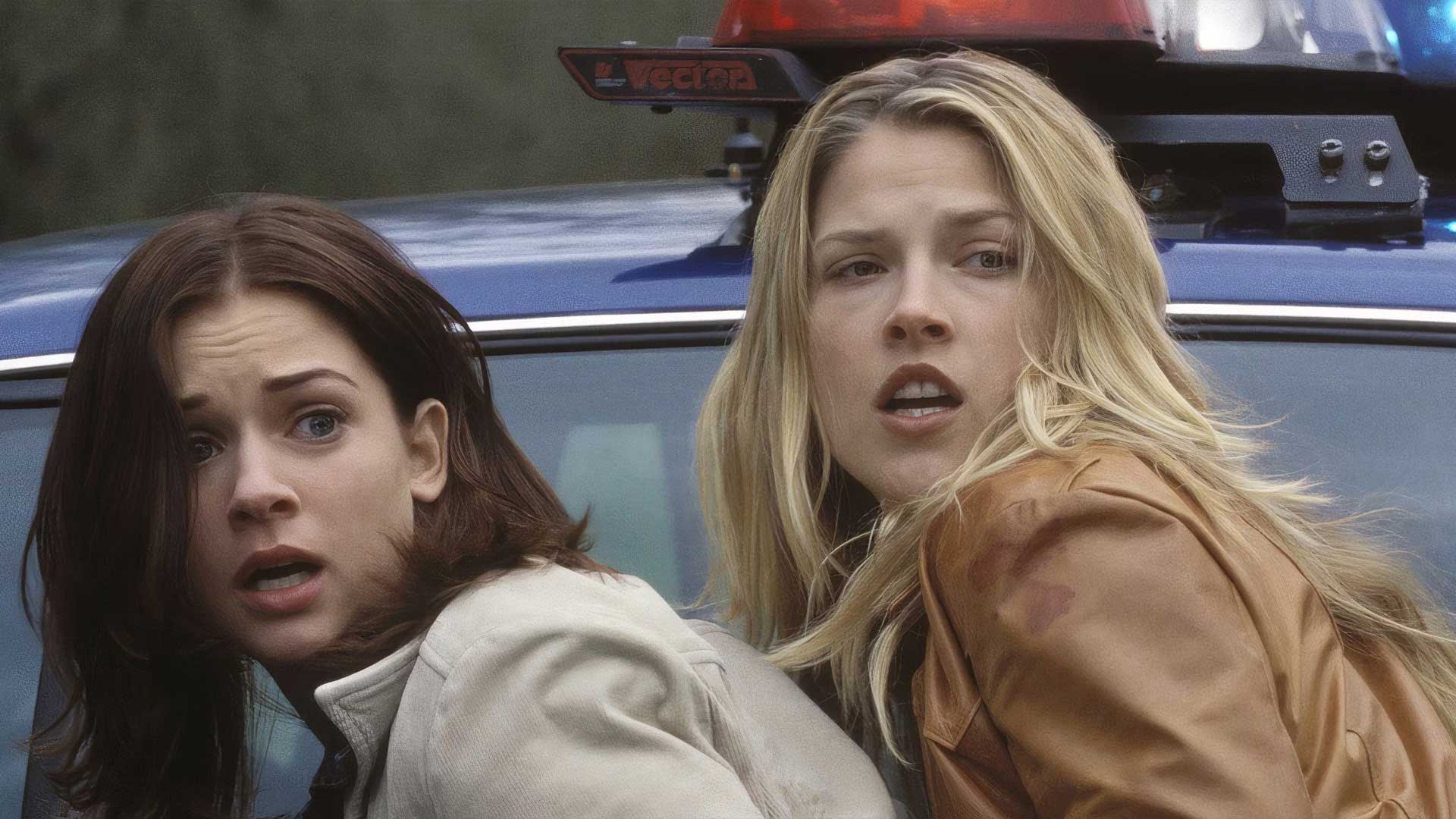
The Final Destination franchise lives and dies by the instalments’ opening scenes that set the sinister tones for the rest of the movies. When it comes to the best of the lot, the second movie still resonates with its terrifying start: College student Kimberly Corman (A.J. Cook) somehow finds herself having a strange premonition of a highway pileup on Route 23 highway, beginning with the sudden snap of the steel chains that releases the timbers off the truck, triggering an unfortunate chain of accidents. It doesn’t take long before the highway turns into a multiple carnage of collision courses, explosions, vehicular crashes and dead bodies.
Directed by David R. Ellis, the opening sequence particularly works because of the familiar phobia related to driving behind a heavy-duty vehicle such as a truck. It also helps that the director insisted on combining practical stunts and CGI while shooting the scene on a real location, instead of a full green screen, which adds a palpable sense of realism.
12. SCREAM (1996)
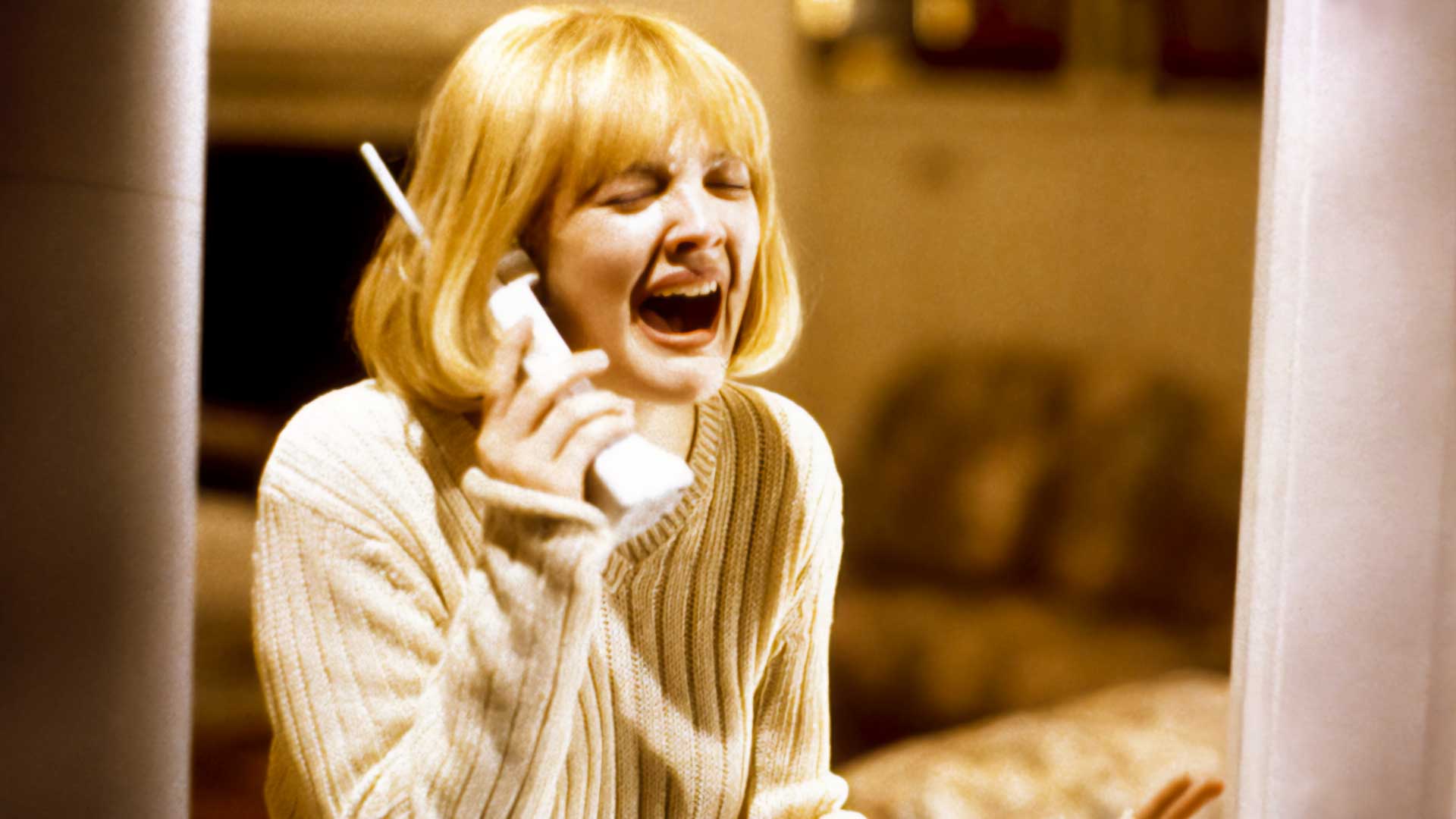
Concluding our list is another Wes Craven entry, and not surprisingly, his first Scream made the cut here. He pulls a Janet Leigh’s Marion Crane-like narrative trick from Psycho by killing off the character played by a recognizable face earlier in a movie. Except for Scream, the character dies as early as the opening sequence. Played by Drew Barrymore at the height of her fame, we see her in the kitchen at home all alone at night.
Then comes the phone call, which seems harmless at first. But the call gradually becomes sinister as the mysterious caller from the other end of the line begins threatening her life, and even her boyfriend (Kevin Patrick Walls). The caller forces her to play a game of horror-movie trivia that will determine the fate of his life. The tension soon elevates, and Craven ends his opening set-piece with a brutal killing, and the introduction of the formidable Ghostface that is forever etched in our memories.